










So, what’s it like to win a JUNO?
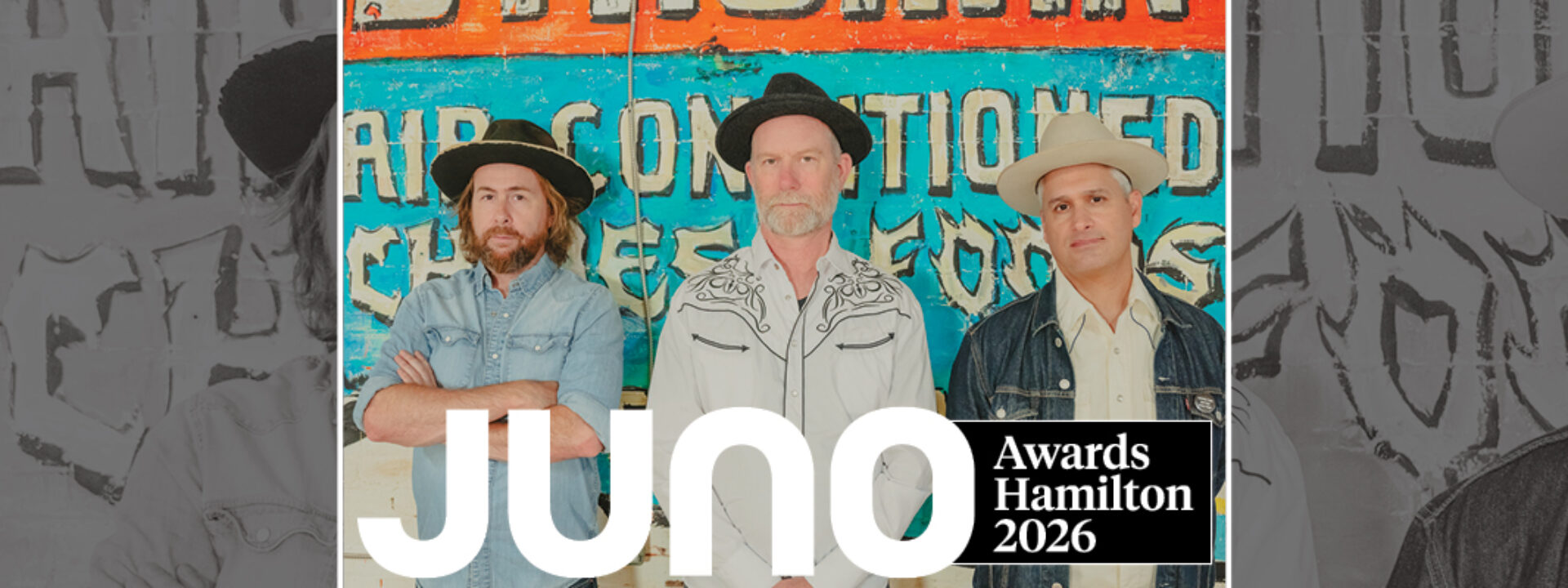
Music writer Jamie Tennant reached out to homegrown talent about what winning Canada’s biggest music award meant to them and their careers.
Since the first JUNOS in 1970 (then known as the Golden Leaf Awards), Hamilton has had its share of nominees and winners. With The JUNOS returning to the city this year, it made sense to ask our hometown talent: What, exactly, is it like to win a JUNO? Is it all it’s cracked up to be? Does it actually have an effect on an artist’s career? Do awards shows even matter?
We talked to a cross-section of artists, known for a variety of genres, and asked them what The JUNOS meant to them and to the Canadian music scene as a whole.
Max Kerman, lead singer, Arkells, Hamilton, nine-time winners

What has it meant to win nine JUNOS?
I’ve learned that, as an artist, a little encouragement goes a long way. Sometimes it's showing a friend a new song, and hearing what they think. Sometimes it can hearing from stranger who saw us perform live. And sometimes it comes in a JUNO Award. Something that offers a bit of confidence to keep creating bold, imaginative things.
How did winning your first JUNO in 2012 affect the band’s career?
The first one quelled our parents’ nerves a bit, who were worried about their sons on tour for 200 days a year. It was also reaffirming to our fans who believed in us at the earliest shows. Rooting for something that had some promise. As an artist, any good news helps!
Other than the moment they announced your name, what is your favourite JUNO memory?
Playing in St. John’s, Newfoundland, our first JUNO Awards. Everyone got stuck on the island because of the volcanic ash coming from Iceland, and disrupting flights. After the show, everyone settled in and hit the bar. We got to meet so many of our favourite artists. We couldn't believe we were so far away from home.
Why is it important for Canada to recognize its artists? Or is it?
It’s easy to celebrate the big, iconic artists, but it’s seldom that we recognize the ecosystem that allows artists to flourish. All the small stages used to hone their craft, to get better, and to make lasting relationships. Canada’s a vast place, and organizing an event like this is a huge undertaking. But I’m glad it exists, because a Canada without is poorer.
Scott Anderson, vocalist, Finger Eleven, Burlington
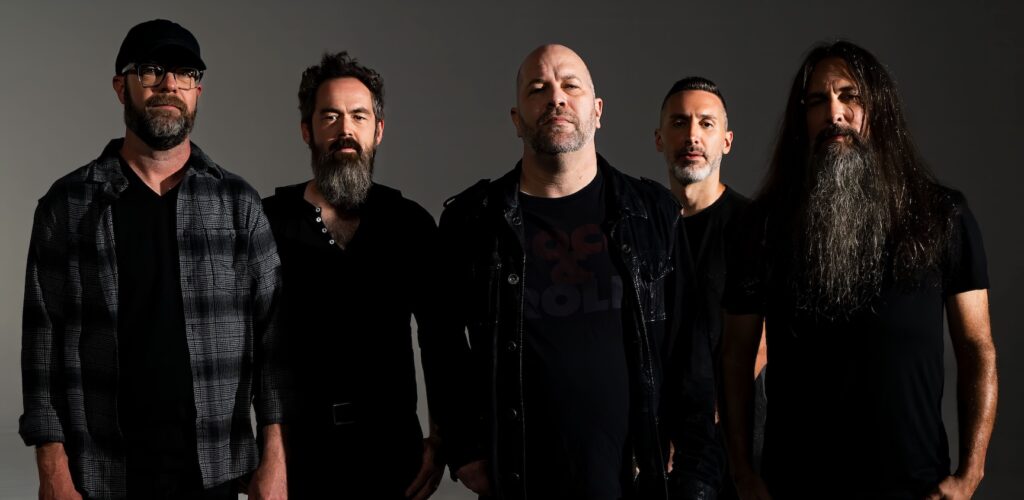
What did winning a JUNO Award for Rock Album of the Year in 2008?
I see it as a real highlight in our career. I remember being very excited about our nomination and trying not to care whether we won or not. I was 100 percent thrilled when we actually did win, however.
How did winning a JUNO Award affect the band or the band’s career?
I think people see it as a very big accomplishment which, of course, it is. People are impressed when I show them my cool statue on my desk.
Other than the moment they announced your name, what is your favourite JUNO memory?
I remember sitting in the audience one year at The JUNOS and being surrounded by so many Canadian music legends, it was unreal. I mean, Alanis is sitting right in front of me. It was overwhelming just to try to act normal. One time I met Wintersleep after the show. I drunkenly talked at them about how much I love their music that I probably freaked them out forever.
Not everyone cares for awards and awards shows (fair enough) but what positives do you think
come of it?
I think award shows can be a lot of fun. I love seeing the thing I like get a nod or an award.
Is it important for Canada (specifically) to recognize its artists?
I think we should celebrate Canadian talent at every opportunity, as long as there’s an after party and I’m invited.
Derek Miller, singer-songwriter, Six Nations, two-time winner
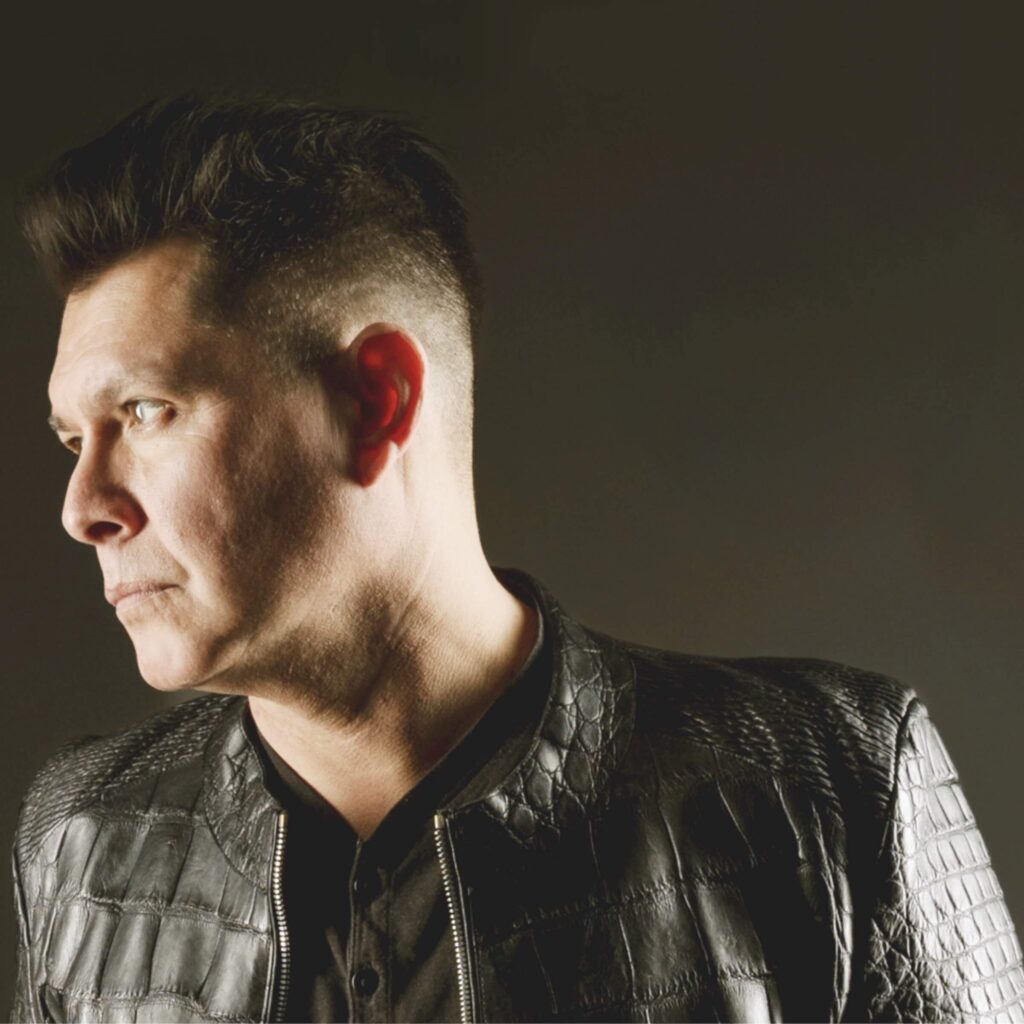
What did winning a JUNO Award mean to you?
Winning a JUNO Award helped me tremendously in validating to others my insane belief that I could make a living as a singer/songwriter. I was not getting any support and I did what I had to do to get an album out that represented my artistic vision. And to have that vision awarded with a JUNO by my peers really helped get me going on my artistic path.
How did winning a JUNO Award affect your career?
It helped with show bookings and helped my profile to allow more opportunities. I was able to continue working on my craft and it really helped in my development as an artist. I was touring non stop after the first award, especially in Indigenous communities across Turtle Island. Shout out to the Indigenous peeps across Turtle Island!
Other than the moment they announced your name, what is your favourite JUNO memory?
Honestly, helping Manitou Mkwa Singers produce their JUNO-nominated song “Me And You” is a great memory because I built my recording studio/home on The Six Nations Of The Grand River specifically to become a cultural hub and a creative lighthouse, supporting community-based creative projects reclaiming sound, story, and sovereignty in the arts. Hearing that they got nominated with the help of my label Silverheels Records made me feel so proud.
What (if anything) would you like to see at The JUNO Awards that you feel is missing?
I'd like to see The JUNO Awards put the Indigenous categories on the main night and telecast. That would be the ultimate in respect to the partners who helped form the great country of Canada. The diversity in the Indigenous people is a beauty that the country cannot sleep on. Without the Indigenous people, there would be no Canada.
Stephen Pitkin, drummer, Elliott BROOD, Hamilton

What did winning a JUNO Award in 2013 for Roots and Traditional Album of the Year mean to you personally and/or to Elliott Brood?
For the band I think the feeling was one of validation; an “official’acknowledgement of your efforts in the field. We were previously (and subsequently) nominated and not won. It’s hard to say “we lost” in regards to not winning. You kind of win by just being nominated, but the actual hardware makes a big difference to the psyche. Mine is still proudly on my mantle.
How did winning a JUNO Award affect your career?
Adding “JUNO Winner” to our self promotion never gets old. I can’t imagine it would ever hurt as an accolade. The win has probably also awarded us some longevity in the business, not to mention the hope that it can happen again.
Other than the moment they announced your name, what is your favourite JUNO memory?
When The JUNOS were in Halifax we were in a tight hotel party room before the big ceremony. Right after touching Pamela Anderson’s hair (creepy on my part, but exciting) I bumped into an old high school classmate, Belinda Stronach who thought that I was pranking her. When I prompted her about Mr. Herbert’s math class she replied, “This Hour Has 22 Minutes.”
Well the joke WAS on her. She was lacking in both high school memories AND JUNO nominations.
What artist would you like to see win a JUNO award who hasn’t?
Ian Blurton should get a lifelong achievement award for sticking to his guns and producing killer rock music that matters over the last three or four decades.
Diana Panton, jazz vocalist, Hamilton, two-time winner

What did winning your first JUNO for Vocal Jazz Album in 2015 mean to you?
It was a special honour to have our trio’s creative endeavours recognized on a national level. Since our first JUNO win happened when the event was hosted in Hamilton, it also felt good to represent my city.
How did winning a JUNO Award affect your career?
I can’t honestly say I noticed a big change in this regard, however I do think the awards are helpful in getting the word out about new releases.
Other than the moment they announced your name, what is your favourite JUNO memory?
The opportunity to connect with other artists - such as Ron Sexsmith whose music I admire.
Do you feel the JUNO Awards have changed with the times?
They seem to get bigger and brighter each year. There is now more diverse representation, but there is still room for growth in this regard.
What would you like to see at the JUNO Awards that you feel is missing? Or is there anything?
I think there could be a greater diversity in the musical genres that are selected as part of the televised event (ex. jazz and classical music are rarely showcased during the main event).
Steve Strongman, blues singer and guitarist, Hamilton
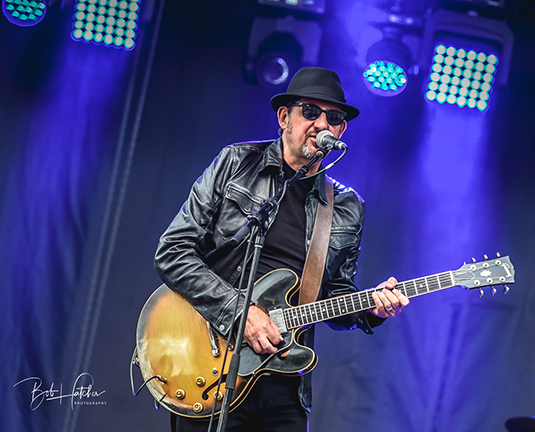
What did it mean to you to win a JUNO for Blues Recording in 2013?
The JUNOS are the country’s highest musical honour, so it meant so much to me to be recognized like this. I don’t think any artist sets out to win awards as their prime reason for creating, but when it happened, it truly was in incredible honour. I’m so proud to be a JUNO winner, and I remember at at that moment feeling very appreciative to all of the people that helped get me to that recognition. I started out playing bars and clubs in my teens, and to
reach the pinnacle of Canadian music is something I am so proud of.
How did winning a JUNO Award affect your career?
Everyone in the country knows what a JUNO Award is, so to actually win one and have your name forever tied to this legacy is a special achievement. I feel like in some ways it added a legitimacy factor to my career, and people started to take notice in a different way. Especially within the industry, I feel it opened doors that may have previously been closed. It also gave me some momentum personally, and I felt that the music I was creating was being noticed.
Other than the moment they announced your name, what is your favourite JUNO memory?
The JUNOS were in Regina that year, and when I came to the ceremony, the seating chart had us seated at the very furthest point away from the stage, so I remember thinking there’s no way I was going to win. Then, after the first performance and the house lights came on, there was a stage at the opposite end of the venue where I was sitting, so I realized I was actually in the front row, and I remember thinking, “oh, well this is different”! Also, Tom Cochrane was given a special honour that night and his speech was incredible. I remember thinking how powerful music can be and how it can affect real change, and feeling that The JUNOS are a fantastic celebration of Canadian Talent.
Do you feel The JUNO Awards have changed with the times?
Yes, I think any awards show has to change with the times in order to have continued success, and The JUNOS have done that, though perhaps the pendulum has swung a little far towards pop music culture. It’s not an easy task to try and represent Canadian Music in it’s entirety and cover all the bases, but The JUNOS have done the best job possible.
What would you like to see at The JUNO Awards that you feel is missing? Or is there anything?
Being a “blues” based artist, I feel they need to expand that category. Currently, there is only ONE category for blues at the JUNOS, Blues Recording of the Year. I think they should expand and include other categories. Certainly distinguish contemporary and traditional, acoustic and electric. That would better represent different areas of that musical field in particular.