




Cadence Weapon wants you to stop scrolling and start listening
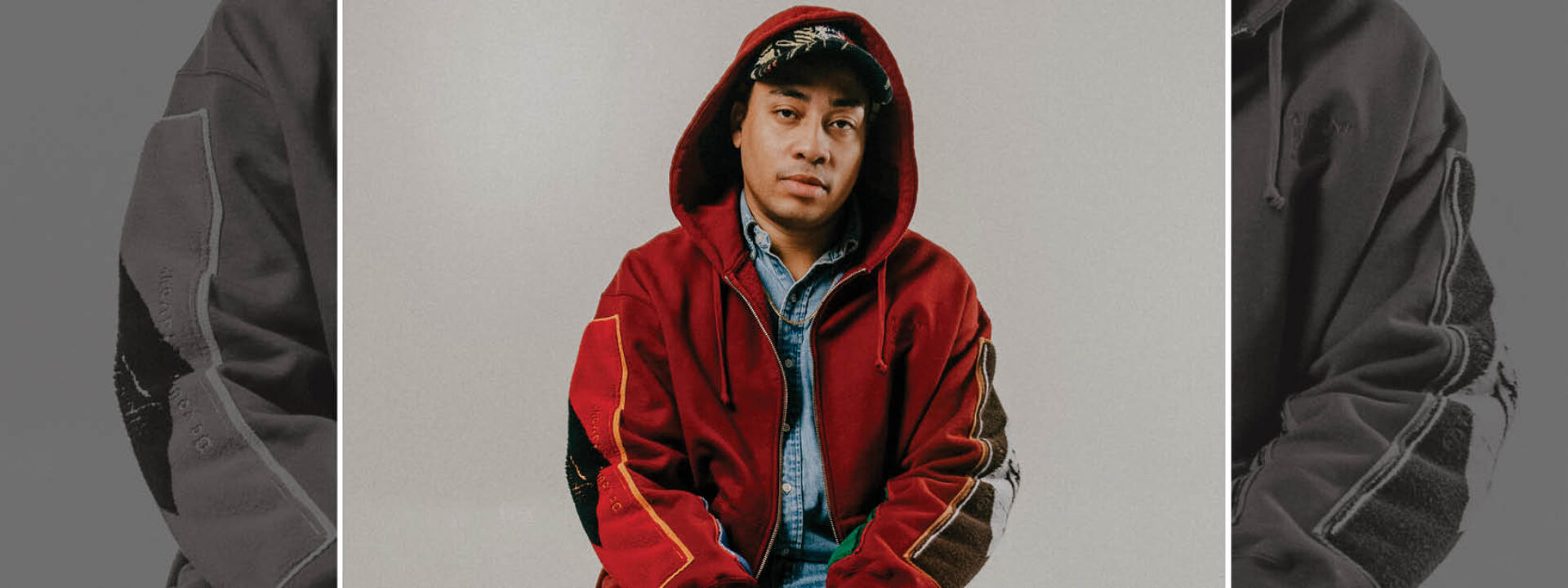
Rollie Pemberton, aka Cadence Weapon, is done with treating music as background filler. In his new book Ways of Listening, the Hamilton rapper explores the transition from record bins to algorithms and reimagines how we can reclaim a deep connection with music in the age of streaming.
When Rollie Pemberton’s memoir, Bedroom Rapper, came out in 2022, it was a relief to get his story on the page, tracing his roots from recording in his mom’s attic to performing with some of the most recognizable names in rap and electronic music. Writing it, he says, was about speaking his truth as a musician, sharing what it was like to grow up Black in Alberta and chasing his hip-hop dreams against all odds.
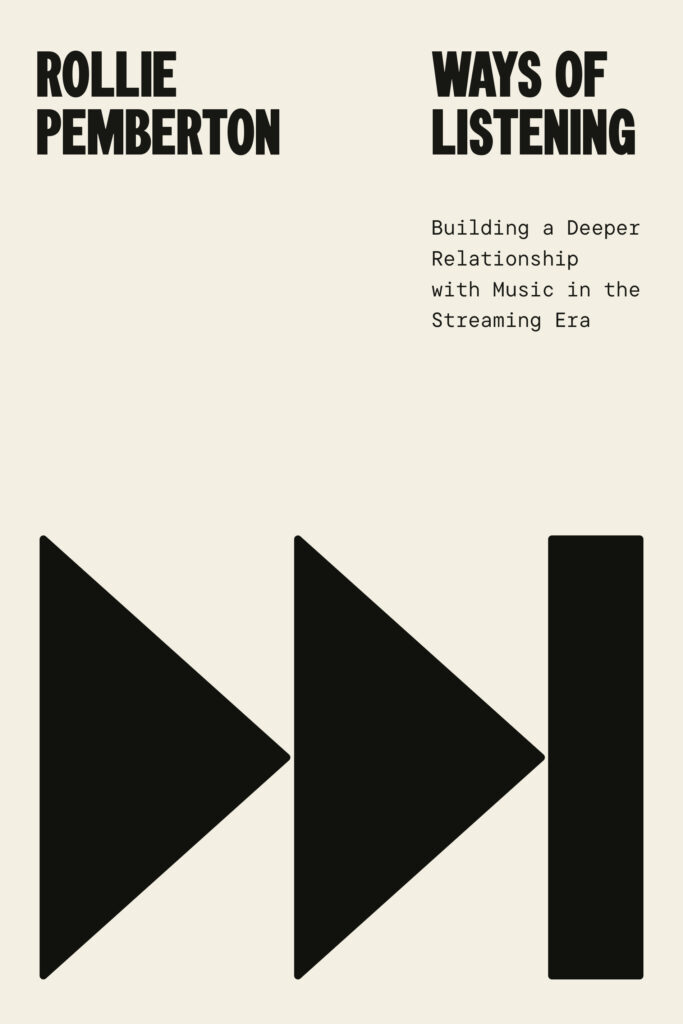
“It was painful to relive some of those things, but it was also very cathartic,” says Pemberton, the Edmonton-born, Hamilton-based writer, producer, DJ, and rapper, known to many as Cadence Weapon. This spring, the Polaris Music Prize winner released Forager, his most recent album, as well as his new book, Ways of Listening: Building a Deeper Relationship with Music in the Streaming Era.
A collection of essays that interrogates our current musical landscape, Ways of Listening explores how the internet has changed the way we listen to, and love, the music that shapes our lives. Pemberton says the book is written for younger generations who have been trained to see music as a backdrop for creating content, “rather than the spiritually fulfilling elements of the universe that music really is.”
“The streaming era has completely redefined what it means to listen to music. Wading through today’s oversaturated online landscape, we assess the numbers before we press play,” says Pemberton in the book’s introduction. “Monetized social media has transformed music from a sacred communion with the spirits into the elevator music that you put behind your next reel,” he writes, adding that music has been devalued by streaming platforms that have pushed artists to release more and more tracks at a faster rate.

Pemberton says writing the book, which comes out May 26, helped him fulfil a strong urge to get back to music journalism.
“I always knew at some point that I would try to write a book, but I didn’t know how it would be manifested,” says Pemberton, who has written for publications including The Guardian, Wired, The Walrus, and Hazlitt, and has also published a poetry chapbook. “I really have always had a passion for both music and writing. Even when I was making my earliest music, I was also writing for Pitchfork, doing reviews there. So, it’s been a bit of a dual identity for me as an artist.”
Both Ways of Listening and Bedroom Rapper are full of what Pemberton calls “slice-of-life” moments, like digging through bins at record shops with a previous owner’s name scrawled on the back of the album. One of those memories is getting on the bus to the West Edmonton Mall, buying The Beastie Boys’ 1989 album Paul's Boutique, feeling the booklet, looking at the artwork, and putting it in his Walkman.
“When I talk about Ways of Listening as the title of this book, it’s really a callback to the listening booth at record stores, where you would sit on stools and you’d open up the CD, and you’d listen to it before you bought it,” says Pemberton, who worked at HMV at the West Edmonton Mall. “I feel like that’s intentional listening. Before phones, you didn’t have any distractions, you’re sitting there listening to music. How often do people have the opportunity to do that undivided listening?”
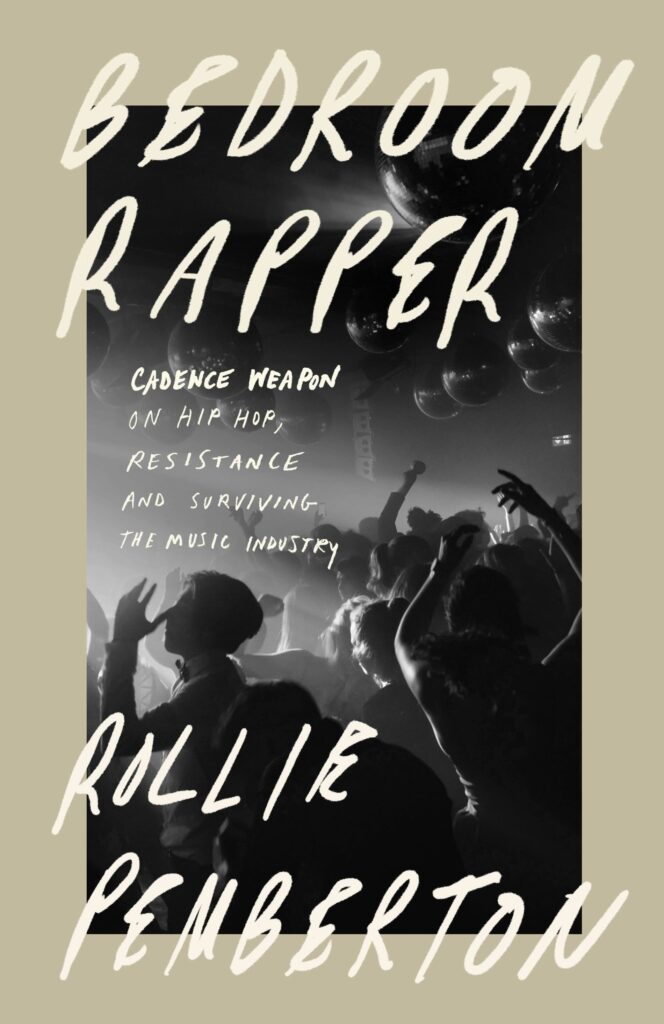
Pemberton says when Bedroom Rapper came out, he expected fellow musicians and those interested in the early 2000s music scene in Canada to be excited. What he didn’t expect, he says, is people really resonating with the parts of the book where he dove deep on different corners of music like the history of rap or England's grime genre.
“That really inspired me to go harder in that direction with this book,’ he says, adding that the listening experience for young people is a lot more passive than it was for previous generations.
“There’s a statistic that each day, there is as much music being released on streaming platforms as was released in the entire year of 1987,” says Pemberton. “That gives you an idea of how significantly more music is coming out. I think what’s getting lost in this tidal wave of content that young people have to wade through is why should they invest a significant amount of time into any given record?”
Pemberton says the streaming experience isn’t designed for retaining music; it’s designed for keeping users on the platform. One example he gives is Spotify's AI DJ, which he calls a gross oversimplification of what a real selector does.
“Tech companies are trying to replicate things that people do in the real world,” he says. “I find it very grotesque, because my experience is going to see some of the best DJs in the world. They're ingrained in my mind. And what I learned from seeing the great DJs play is when you're watching somebody DJ, you're not just experiencing what they’re playing in that moment, you are getting an insight into their entire lives leading up to that point.”

A recent transplant to Hamilton, Pemberton and his wife moved here to start a family, something they had considered for a long time.
“We’d always been interested in Hamilton culture in general. You know, the stereotypes of it being a union town, a hard-working place. That really resonated with us.”
Since arriving in Hamilton, Pemberton says the city has provided him with the room to be creative that he wouldn’t have had in Toronto.
“The thing that’s really cool about Hamilton is you have the space to create. Everyone I know — they’re able to have studios and jam spaces and throw raves in warehouses. It’s not possible at all to do that in other bigger cities anymore. I think that’s something that’s really attractive to artists and what is bringing them to the city.”
When asked if he’s sticking around, Pemberton is quick to answer.
“Yeah, we’re kicking it.”