





Read about the writers: A Q&A with the winners of the Hamilton Literary Awards
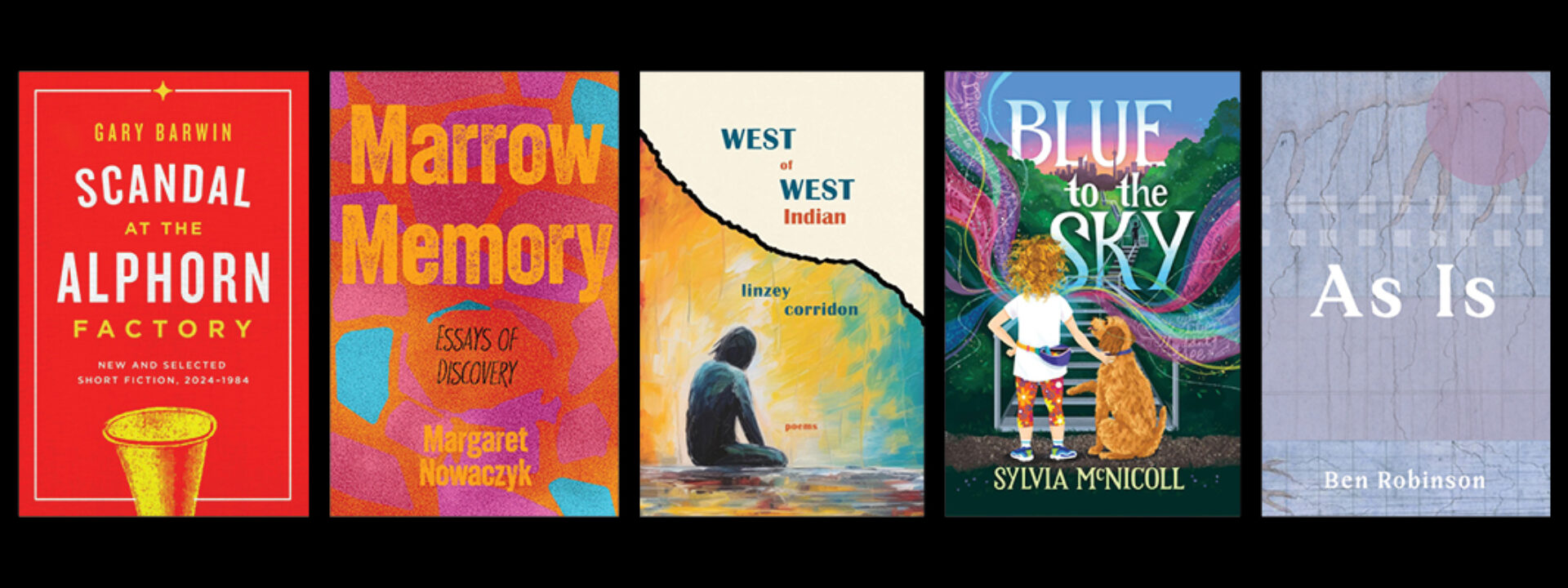
The city’s literary community is large and growing and has been celebrated for more than 30 years. Hear from the 2025 winners at this weekend’s Sharp Words festival.
For more than 30 years, the Hamilton Literary Awards have recognized Hamilton writers and their books, acting as a reminder that steel town isn’t just a city of music: Some of the country’s best literary voices live right here.
At a ceremony in December, awards were given out in five categories: fiction, non-fiction, poetry, children’s literature, and an honorary award named after the late literary scholar Kerry J. Schooley, in recognition of literature that is evocative of the city of Hamilton. The event, which was attended by more than 100 book lovers, is presented in partnership with the Hamilton Arts Council, gritLIT: Hamilton’s Readers and Writers Festival, and the Hamilton Public Library.
See the winners in person at Sharp Words at Bridgeworks on Jan. 31 at 3:30 p.m. Now in its third year, Sharp Words is a free event to discover fabulous new books from innovative writers and publishers, to talk to authors and artists, and to celebrate writing in our city. Reserve your spot here.
Read on to hear what Hamilton’s winning authors have to say about the honour they achieved, how the city shapes their writing, and what advice they have to offer other writers.
Meet the winners
FICTION – Gary Barwin, Scandal at the Alphorn Factory: New and Selected Short Fiction, 2024–1984
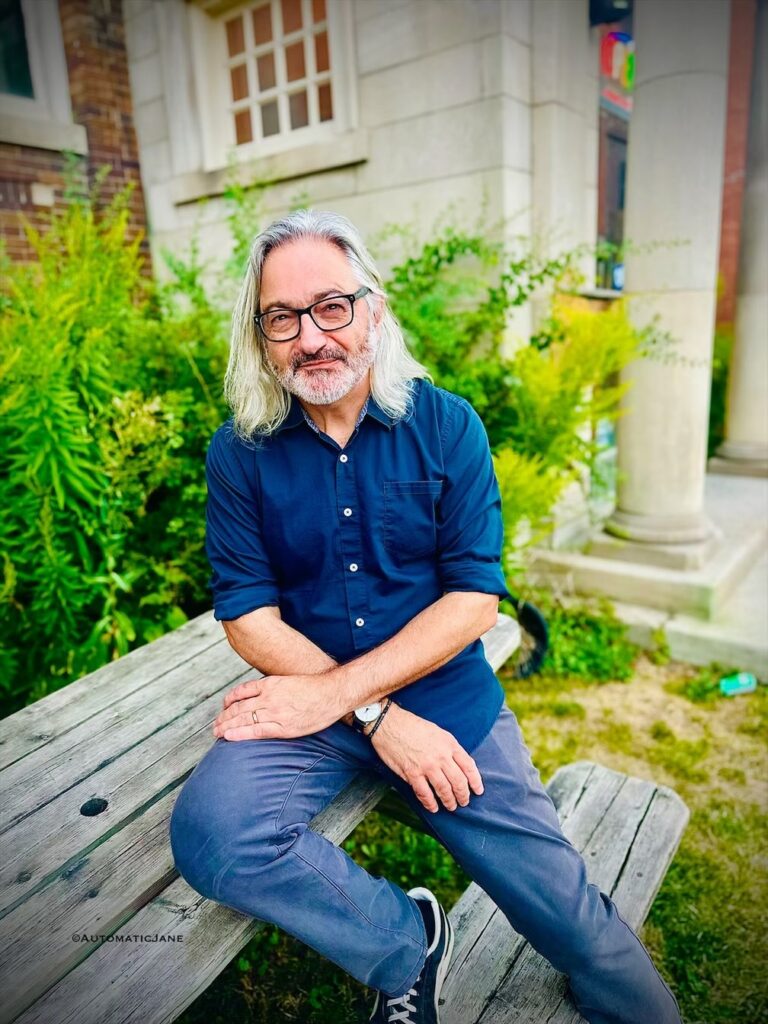
Gary Barwin. Photo: Janice Thiessen/Automatic Jane 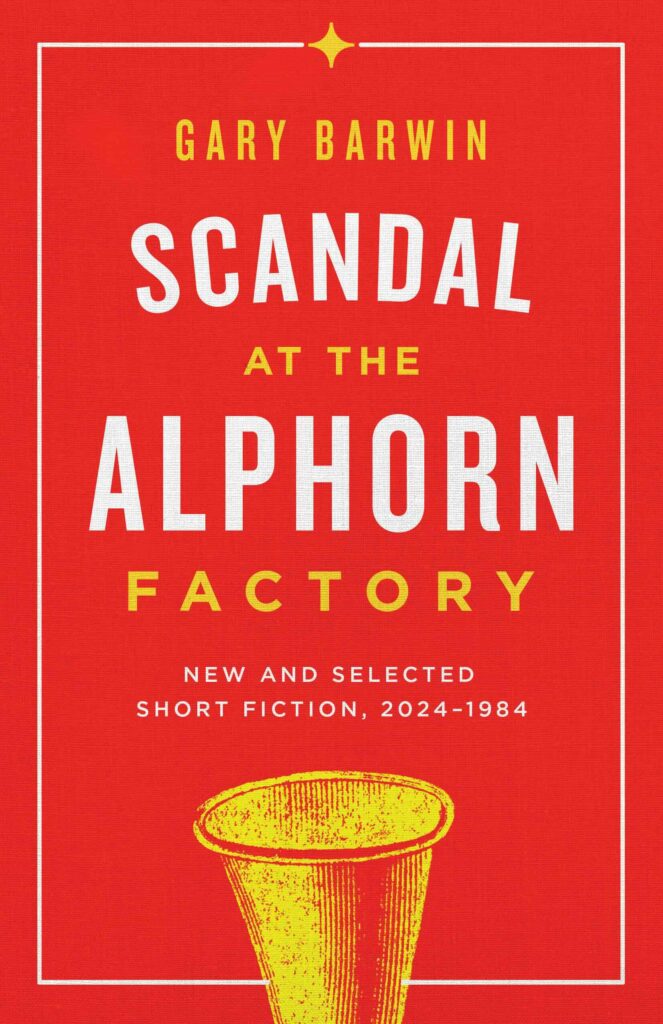
What does receiving a Hamilton Literary Award mean to you? Why, if at all, is it especially meaningful to be recognized locally?
I love the idea that literature happens wherever we live. That it is a living art. Actual people who are in our city write. Writers are like the aliens among us. What do they look like? Hard to tell. We blend in. (Or we think we do!) That’s why it is especially meaningful to be recognized locally. It’s meaningful that writing and writers are recognized, that our activity is noticed and valued, that Hamilton is made up of many interwoven voices, including writers. I’m glad to be part of this, for my writing to be considered as part of the fabric of the city. And further, that much of the writing in my book (a collection of selected fiction) was written in the city, was written while I was living in the city, looking out from my desk, or on a phone in the woods, or in a notebook while waiting at emergency.
I appreciate being recognized among my peers. Though sometimes gathering writers can be like a conference for hermits, or else an afternoon tea for MMA fighters, we’re all part of the vitality of writing in the city. It’s writers, publishers, bookstores, libraries and readers. We make a motley community of those with overlapping interests and activities. But it is our community. I do feel that we’re all in this together, living in a particular time and place and participating in the same practice of making stuff with words. A city isn’t just sports, parking regulations or highways, economic policy, or housing policy (let’s talk more about that!) but is integrally connected to the many voices of those living there, including its writers who reflect the experience of being in the city, even if they don’t write about it. I’ve been part of the Hamilton literary scene for 35 years and it’s gratifying to gather with others to celebrate and recognize my greatness – I mean to recognize the accomplishments of all of us.
What did it feel like to be recognized among your peers at the Hamilton Literary Awards ceremony itself?
I’ve been a judge for literary awards, have helped organize awards and have submitted work to others. Sometimes I’ve won, sometimes been shortlisted, often I’ve been … an entrant. So, I know that while it means something to win or place, it doesn’t mean anything not to.
It's a lofty question, but do literary awards matter?
I do have a concern with what I consider the over-reliance on awards to draw attention to books nationally, and the idea of “judging” what is “best” is always fraught. However, awards, particularly regional or city awards are important in that they recognize that there is meaningful work happening in that place, that there are writers there. It provides an occasion for literature to be celebrated, for articles like this to be written, for people to gather to recognize the importance and vitality of writing and writers in a particular place.
Let's talk about Hamilton. How does Hamilton shape your writing and writing practice? Are there any people or places that inspire you? Where are we most likely to find you writing?
My most Hamilton poem is:
the sun sinks behind clouds
in the box
a dozen donuts touch
I write everywhere. I love wandering in the woods and conservation areas both in the day and in the night. I love kayaking in our lakes and rivers. So, I think about writing then, or actually write or make music, sometimes recording sounds, sometimes playing music, sometimes writing in a notebook. I find myself in coffeeshops, in waiting rooms, in libraries. And especially at home or in my backyard where I can hear the birds, squirrels and traffic of Hamilton.
I like the sense of looking out at the world from a specific place that I have a relationship here. I’ve lived here for 35 years, raised my children here, done lots of things in lots of places. Watched the city remain the same. Watched the city change. So out of all the space-time that ever was (or will be) I find myself in this particular location considering our lives, history, the rest of the universe.
I like that Hamilton continues to define itself. There isn’t a simple answer to what is Hamilton. That we feel just to the side of things. That feels very productive to me. I also love what my old letter carrier proclaimed once to all in our local Tim Hortons: “Hamilton is the most worst place I’ve ever lived in and I’ve lived here all my life.”
Is there anything unique about Hamilton's literary community you'd like to share?
I think Hamilton has a particular small-town feeling despite being a big city. And the literary community is unusual in its mutual support and enthusiasm. I help organize the LitLive Reading Series and we’re always struck by how often our authors speak about how warm and inviting they find Hamilton’s literary community. We’re big enough to have diversity and variety, but small enough to feel connected. Also, the sense of being an other, an alternative to the big centrality of our neighbour Toronto adds energy and connection.
What advice would you give to an emerging Hamilton writer who hopes to one day see their work recognized on the Hamilton Literary Awards stage?
I’m not sure what to say to get recognized by the awards (though non-consecutive unmarked billed are best) but I would say that engaging with community and all the various literary activities and writers is the best way to feel encouraged and connected. And even if one isn’t recognized, then at least one has the satisfaction of contributing, of being involved, of having an audience and community of readers and other writers. The most important thing for a writer is to read a lot and to keep writing and trying to get better. That’s a lifelong task.
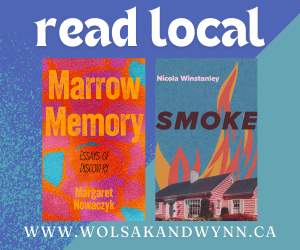
NON-FICTION – Margaret Nowaczyk, Marrow Memory: Essays of Discovery

Margaret Nowaczyk. Photo: Marta Hewson 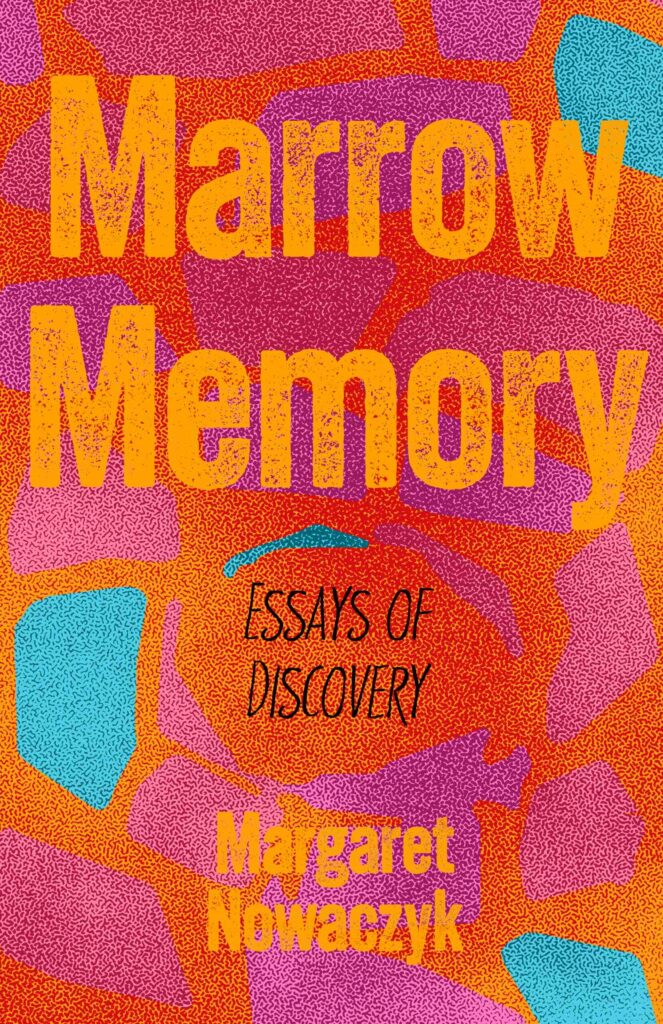
What did it feel like to be recognized among your peers at the Hamilton Literary Awards ceremony itself?
It was wonderful! The room was full of people that I have met over my last two decades-plus of writing in Hamilton (writers, publishers, bookstore owners) and it felt like being feted by a group of friends.
It's a lofty question, but do literary awards matter?
Yes, they do. For several reasons. One, it is nice to be recognized by one’s peers for what, in my case, was a years’ long effort to write and publish my essays. Two, it is wonderful to know that my writing has resonated with readers (several came up to me during the ceremony) – that is the most important accomplishment for any writer because we, or at least I, don’t write for myself but to communicate with others. Three, it boosts the book and hopefully, it will find more readers that will find meaning in it. Four, it is an important recognition for the publishing house and all the people who have worked on the book (content editors, line editors, graphic designers, marketers) and made it the best possible. Big thank you to Wolsak & Wynn here!
Let's talk about Hamilton. How does Hamilton shape your writing and writing practice? Are there any people or places that inspire you? Where are we most likely to find you writing?
I cannot say that Hamilton inspires my writing because my writing is very personal (almost inward-looking?) and likely would be similar if I were writing somewhere else (probably not the best thing to say to the writer from HAMILTON CITY Magazine, sorry!). But Hamilton has been my home for almost 30 years and I love living and working here, so that that has been a positive factor in my writing – the space where I feel comfortable and safe, and therefore able to write. I write at home – I am not a café-/public place-writer.
Is there anything unique about Hamilton's literary community you'd like to share?
It is vibrant and supportive and full of great talent. Sometimes it feels like everybody I meet here is a writer! Kidding! There are great writing spaces and events throughout the city that have fostered my writing. I have been attending LitLive for 20 years. I had the pleasure of being introduced there as an emerging writer (many, many moons ago) and then as a published writer of two books. gritLIT has also been a fixture on my writing calendar – I have met great writers there and enjoyed the atmosphere.
What advice would you give to an emerging Hamilton writer who hopes to one day see their work recognized on the Hamilton Literary Awards stage?
Write well? 😉 Participate in the literary events organized in the city. Meet local writers. Support others. Keep writing. Don’t give up.
POETRY – Linzey Corridon, West of West Indian
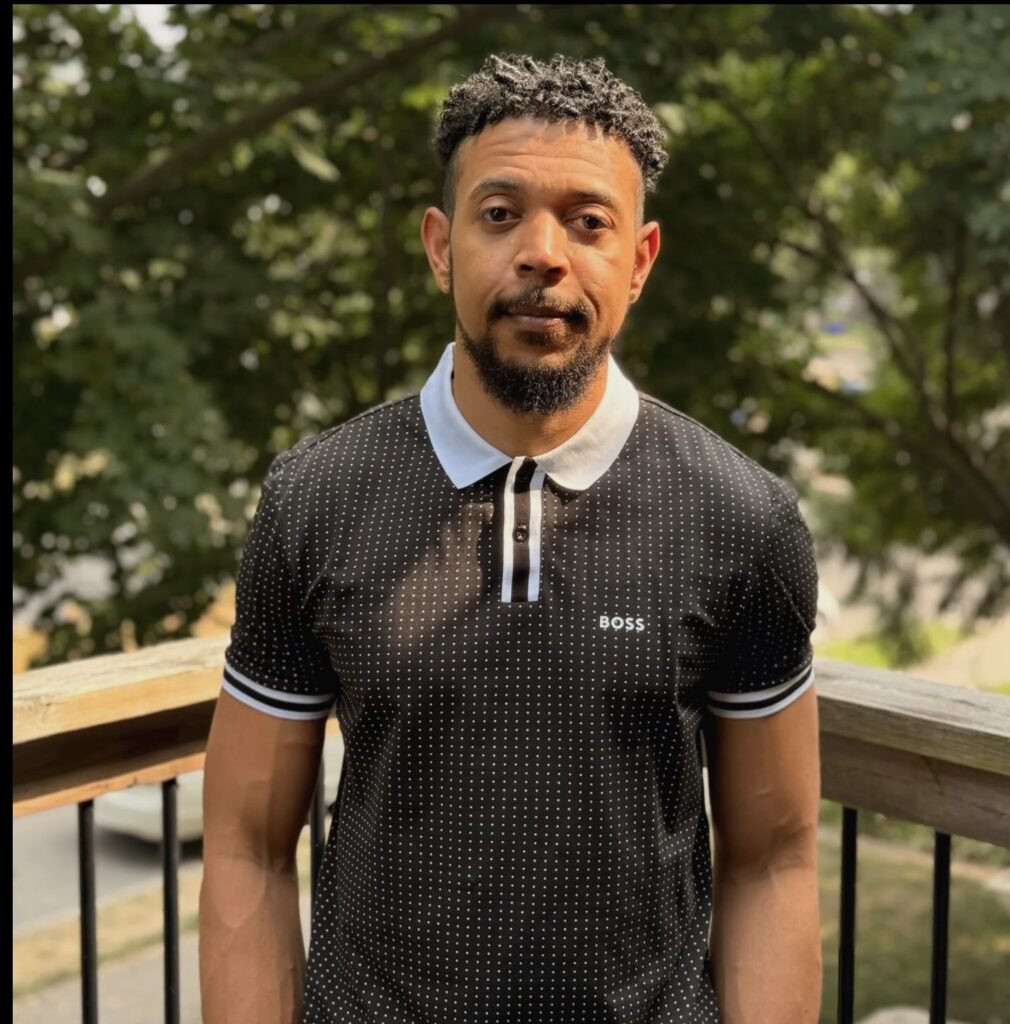
Linzey Corridon. Photo: westofwestindian.com 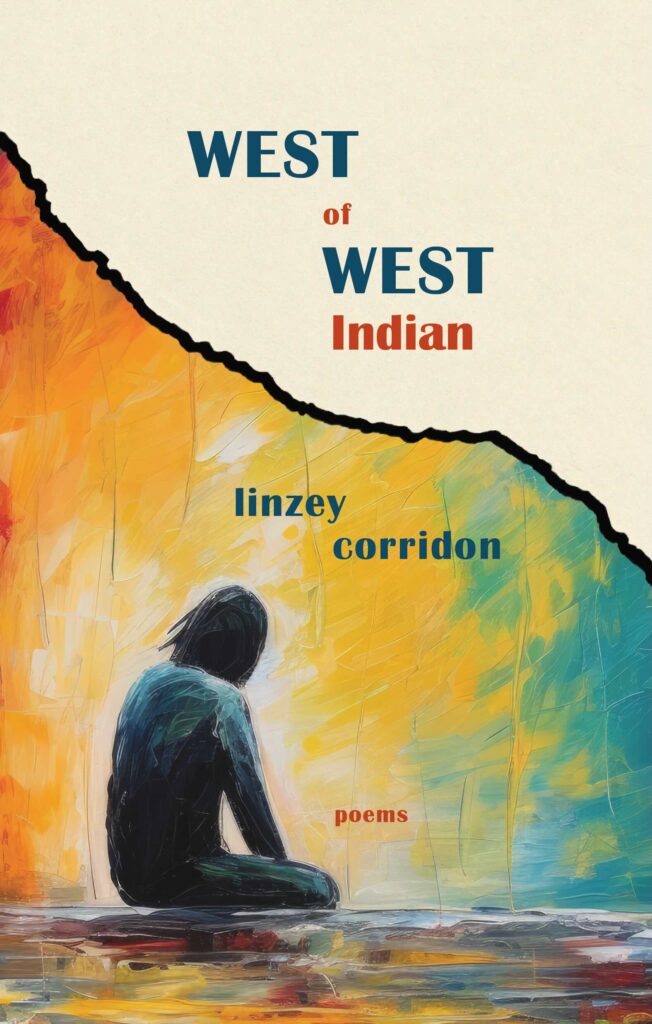
What does receiving a Hamilton Literary Award mean to you? Why, if at all, is it especially meaningful to be recognized locally?
I am a transplant to the city of Hamilton via Montreal, Quebec, and the Caribbean multi-island nation of St. Vincent and the Grenadines. It is never an easy task to start over away from the last place you called home, away from the roots that were meticulously set down, the soil still unsettled from the constant tending. But humans continue to move, it is as innate to our species as breathing. Moving to Hamilton meant growing new roots, tending new soil, and hoping that my life might flower in Steel City. Being awarded a Hamilton Literary Award means that, at some point, the roots which I am trying to set down in this city, the constant tilling, it has resulted in a moment of flowering. A moment of appreciation by members of the local community. I am grateful for the recognition from a group of my creative peers who have engaged with the fruits of my literary labour. And it is reassuring to know that my writing continues to stir in readers both an intrigue and an admiration for the work.
What did it feel like to be recognized among your peers at the Hamilton Literary Awards ceremony itself?
I moved to Hamilton in the summer of 2020 to complete a PhD in English and cultural studies at McMaster University. As a society, we were wrecked from the ongoing loss of life at the hands of COVID-19. We disappeared, and rightfully so, into the relative safety of the spaces that we, the fortunate, call home. But these disappearances also meant that I arrived in Hamilton knowing that I wouldn’t physically be a part of the local creative scene for quite some time. As time went on, and as people and event spaces remerged onto the local scene, I slowly found the people and the community that I was yearning for during my first three years of life in the city. Being recognized by my peers during the awards ceremony was a monumental moment, honestly. It was a wonderful reminder, a gentle tap on the shoulder, that I am never truly alone as we carry out the work of determining how best art might make our community a more just place for all.
It's a lofty question, but do literary awards matter?
Yes and no. As an emerging writer, the recognition and praises are meaningful. It means affirmation and support. It means publicity and opportunity to further bolster my artistic voice and/or vision. It means a financial award that might help sustain you and your craft. It means that a young writer like me might have to struggle a little less against the powers that govern the publishing and literary awards industry.
But the industry is a behemoth one. It often runs on capitalist value systems of extraction. It consumes writers, readers, literary enthusiasts, and it spits us all out when our contributions are no longer useful to the behemoth. Awards mean different things to many. For some, it means overcoming a constant pressure to not be consumed by the extractivist machinations of the behemoth.
I support a community, a society, and a country that is invested in the arts and the humanities for all. And part of that continued investment must occur via a diverse awards and appreciation movement. My one hope is that we continue to imagine the literary award as a tool for change and hope, and as a means of bringing community together despite many of the capitalist demands shaping our everyday experiences.
Let's talk about Hamilton. How does Hamilton shape your writing and writing practice? Are there any people or places that inspire you? Where are we most likely to find you writing?
I’ve become more resolved since leaving Montreal for Hamilton. My experience of the pandemic might certainly have something to do with this outcome. I went from a life of being out and about all the time in Montreal. On the scene as we say. And I began life in Hamilton with little to no personal connections, navigating a city in isolation. My most animated neighbours were the squirrels, the skunks, the raccoons, and all of the different flora lining the boulevard that I now call home. I found myself appreciating the quiet and embracing the thriving non-human systems of life around me. Some of my favourite writing emerges during this period of life in Hamilton. I recently published a suite of those poems in a wonderful anthology entitled Poetry in Place: Poetry and Environmental Hope in a Southern Ontario Bioregion. And I encourage everyone to pick up a copy of this anthology of poems and critical interviews containing pieces by a myriad of writers (quite a few others from Hamilton are included!) contemplating the relationship between their art and their respective environments in a time of reckoning.
Inspiration is always knocking at my door. I live quite close to my dear friend, Gage Park. I feel fortunate to have access to the space during, and in the aftermath of COVID-19. My time in the PhD program also brought me into contact with many local scholars and creatives. Dr. Daniel Coleman, a committed scholar, a prolific writer, and an unwavering mentor and champion of my work, he continues to inspire me to write with an attention to tenderness and to lead with generosity and grace.
Most of the focused, uninterrupted writing takes place at home. In the warmer months, I like to set up shop on the terrace and just write. But I am always writing. Before bed, on the train to and from Hamilton, and more. I don’t shy away from the spontaneity, especially since I can quickly jot down my thoughts using the Notes app on my phone. When something needs to be written down, I do my best to stop and to take note, however long or short that note might be. I can always return to those notes during a period of focused, uninterrupted work.
Is there anything unique about Hamilton's literary community you'd like to share?
I had a brief and informal exchange with another local author during the 2025 instalment of the gritLIT Festival. We talked about a strain of determination that so many creatives nurture across this city. With the city of Toronto and their literary scene within close proximity, there still persists a sense of pride and a commitment to honouring the experiences of Hamiltonians by local artists. gritLIT is an appropriate name for the city’s premier literary festival, as it speaks to that tenacious quality that so many of the city’s artists demonstrate via their commitment to their craft. Perhaps this quality is not completely divorced from the pride and the knowhow that the working class have historically cultivated for decades across the city. I have not read any literature that explicitly makes the connection between the two, but I am confident that these qualities are particular to the city’s histories and the creatives making art in the wake of these histories.
What advice would you give to an emerging Hamilton writer who hopes to one day see their work recognized on the Hamilton Literary Awards stage?
Two things. Firstly, get into the habit of sharing your in-progress work with your trusted peers. Find the writing and reading groups in and around the city, reach out to the creatives whose works you admire and take inspiration from, and make sure to always lead with tenderness and grace in all your interactions.
Secondly, not all feedback is relevant feedback. Learn to share your point of view with others, to receive feedback in response to you sharing your voice, and to disregard those parts of the feedback that might make that voice unresolved. We are better people and creatives by being in community with others, but your experience is yours to articulate and to disseminate how you see fit. In short, trust that sticking to your voice will lead you down the correct path for you and your practice.
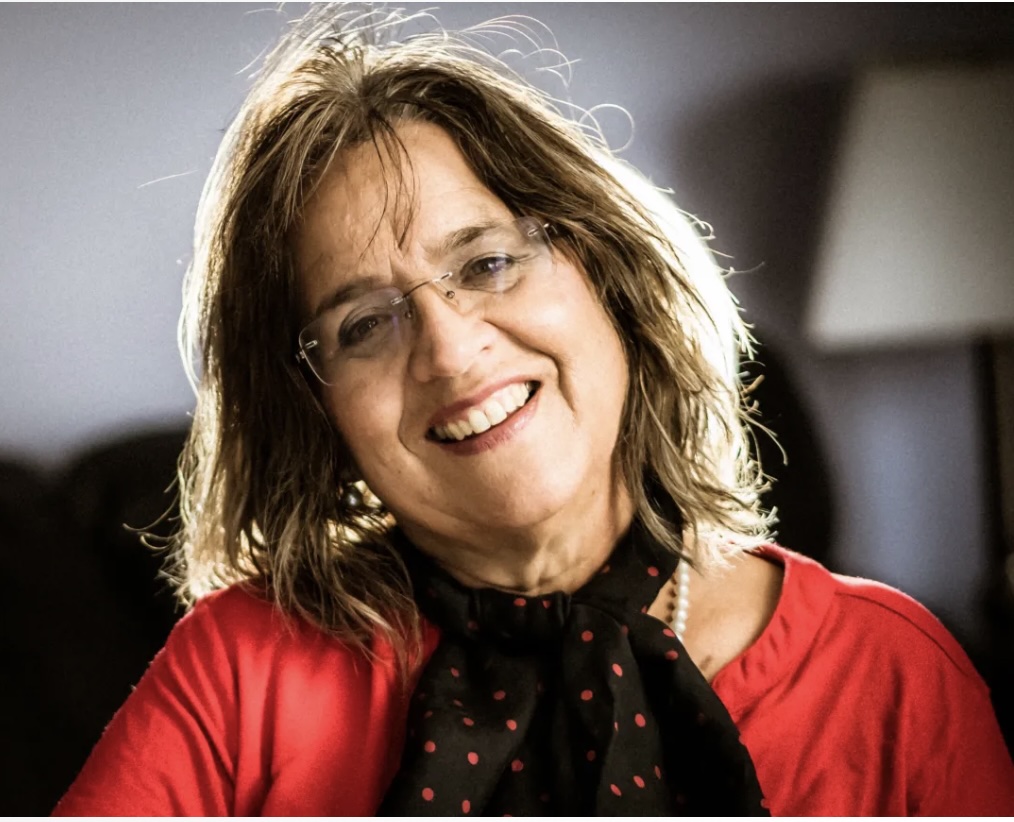
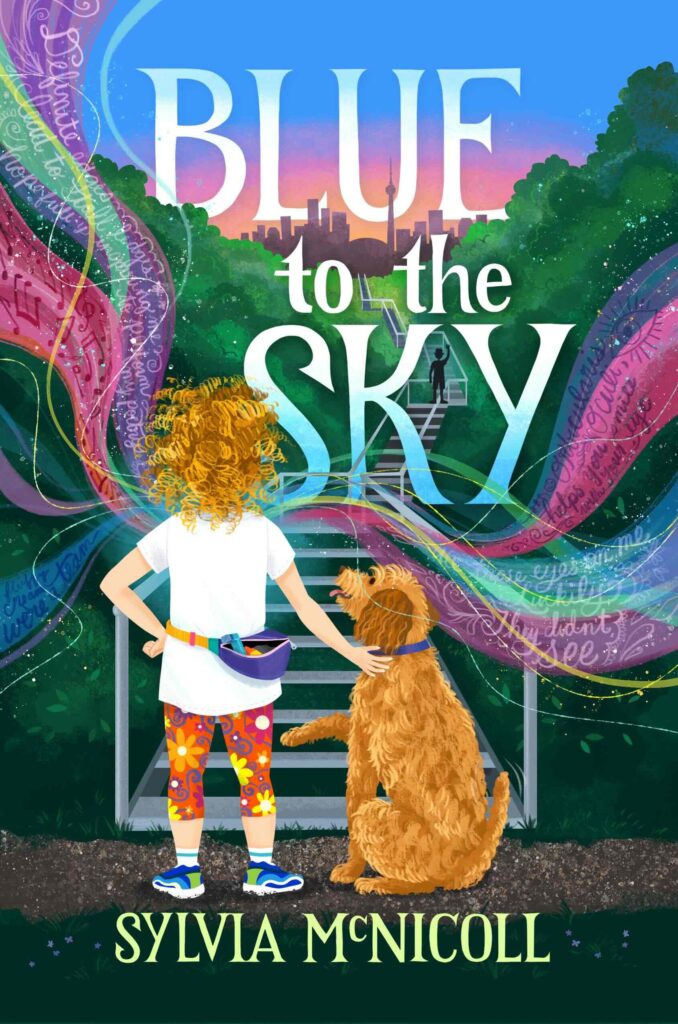
CHILDREN’S LITERATURE – Sylvia McNicoll, Blue to the Sky
What does receiving a Hamilton Literary Award mean to you? Why, if at all, is it especially meaningful to be recognized locally?
While my books are translated and published around the world, Turkey and South Korea forBlue to the Sky, local recognition means everything to me. I want young Hamilton readers to know that my story, is set in the same community that they are living. Therefore, that local stories are important as are their lives and their own personal stories. Hopefully, there’s an instant reading connection and from reading, writing becomes more accessible to them. That means librarians, educators and parents need to know first; they’re the gatekeepers. Awards flag stories for these gatekeepers.
What did it feel like to be recognized among your peers at the Hamilton Literary Awards ceremony itself?
Startling, really, to be recognized among the many talented writers at the ceremony. I loved the two books mine was shortlisted with: Lana Button’s My Grammie’s House is a picture book that makes me cry and smile at the same time and Jennifer Maruno’s novel The Go Between transports me to a different time and culture with so much rich detail. Must have been tough for judges to decide between us. My jaw dropped when my novel Blue to the Sky won in the Children’s Literature category.
It's a lofty question, but do literary awards matter?
Literary awards, along with their long and short lists, call attention to books. According to Made in CA statistics, there are over 10,000 books published in Canada annually. How do we choose which one to read next? Which one to buy? How does the library find out about titles? If a book lands on a bookshelf and no one notices … Apart from the recognition and publicity an award generates, there’s the actual prize. I am extremely grateful for the $500 cash award sponsored by CitizenKid Toys. In our small writing incomes, that’s a nice boost. I also love the wood-framed metal plaque sponsored by Epic Books. Hanging on my wall, it reminds me that my work means something. When you devote over a year of your life to a project, it’s important to have those visual reminders.
Let's talk about Hamilton. How does Hamilton shape your writing and writing practice? Are there any people or places that inspire you? Where are we most likely to find you writing?
Blue to the Sky was inspired by HYP (Hamilton Youth Poets) poetry slams and then later volunteering for HYP. I visited Sir John A Macdonald Secondary School (now defunct) and watched how kids grew in confidence by performing their own deeply personal poetry. Ella, my main character, copes with her multiple food allergies through her passion for poetry and like so many of the HYP slammers, conquers her public speaking fears by performing it. She also hikes up the Chedoke stairs to train for a CN Tower charity climb, which for research, I hiked up with two of my grandchildren, enjoying Big Scoops ice cream afterwards. Fun memories. We are great fans of the Hamilton Spectator and my novels What the Dog Knows and Revenge on the Fly were both inspired by articles I read in the newspaper. Before COVID, a guilty pleasure was to write inside RBG above the gardens with fellow Hamilton author Karen Bass (Blood Donor). Closest to the tropics we could get. Now, boringly for better ergonomics, I sit in a back-supporting chair in my messy office.
Is there anything unique about Hamilton's literary community you'd like to share?
The talent, dedication and support for each other is gobsmacking. Not sure if this is unique to Hamilton or a writer thing.
What advice would you give to an emerging Hamilton writer who hopes to one day see their work recognized on the Hamilton Literary Awards stage?
First and foremost, writers, whether emerging or experienced, need to take the time to write, research, find feedback and rewrite till their stories are in the best possible shape. It takes as long as it takes. Then they need to recognize and acknowledge the deep pleasure and fulfillment of this process in itself. If you’ve created the best work you are capable of, then you should feel this inside, that’s the big reward. A cheque and plaque are wonderful icing to all this, but it is the writing you must love.
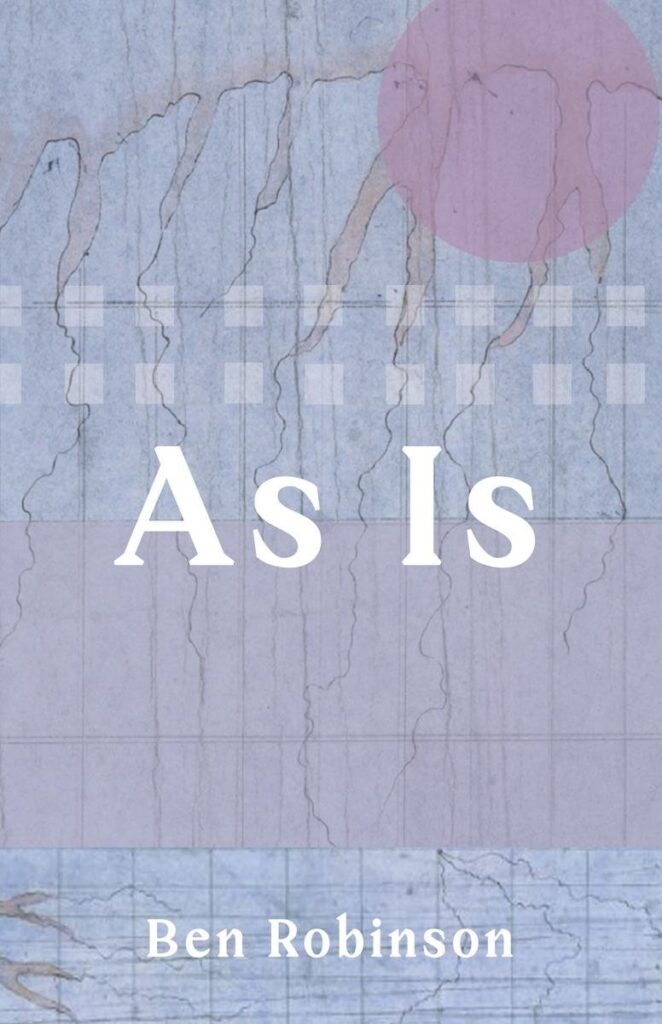
KERRY SCHOOLEY BOOK AWARD – Ben Robinson, As Is
What does receiving a Hamilton Literary Award mean to you? Why, if at all, is it especially meaningful to be recognized locally?
Receiving a Hamilton Literary Award is a very gratifying bit of recognition. There’s something delightfully insular about being recognized locally, that amidst a globalized publishing industry, we can have a certain amount of self-sufficiency and acknowledge the value of literature that is close at hand.
What did it feel like to be recognized among your peers at the Hamilton Literary Awards ceremony itself?
Sadly, I wasn’t able to attend the ceremony but received many kind messages and updates from friends. It was quite meaningful to have Gary Barwin read from my work and accept the award on my behalf given all that he’s done to support my writing in the past 10 years – yet another example of the communal spirit in this city.
It's a lofty question, but do literary awards matter?
Well, I think it depends on which award, what the priorities of the award organizers are, and where the prize money is coming from. We’ve seen from the recent Giller Prize boycott that literary awards are not inherently benevolent operations. In contrast though, the Hamilton Literary Awards seem focused on supporting and acknowledging the community of local writers, which is a worthwhile and admirable priority in my mind.
Let's talk about Hamilton. How does Hamilton shape your writing and writing practice? Are there any people or places that inspire you? Where are we most likely to find you writing?
With As Is in particular, Hamilton shaped every poem, whether as an idea to write toward or against. My goal from the outset was to write a book that considered this place beyond the bounds of the capital C city and its relatively limited time scale.
You will not likely find me writing anywhere public, except perhaps the city bus, because I’m an observer at heart, and thus very easily distracted.
Is there anything unique about Hamilton's literary community you'd like to share?
I think Hamilton’s sense of self-sufficiency is uncommon. Operations like the Hamilton Literary Awards might seem like they have been and will always be with us, but this kind of literary recognition at the municipal level is quite rare across the country, particularly given how many genres are individually recognized each year. There are a group of dedicated organizers in this city who are doing the administrative work to ensure that Hamilton writers are being supported and acknowledged (including this interview, for instance).
What advice would you give to an emerging Hamilton writer who hopes to one day see their work recognized on the Hamilton Literary Awards stage?
Learn your context. Read your wonderful peers, but also the Hamilton writers who were at work even before these awards existed. Read in other genres (our wonderful graphic novelists!), engage with our visual artists, our musicians, attend events, introduce yourself.
Jessica Rose writes the Hamilton Reads column in HAMILTON CITY Magazine and is the artistic director of gritLIT: Hamilton’s Readers and Writers Festival.