




New photography book celebrates Niagara Escarpment
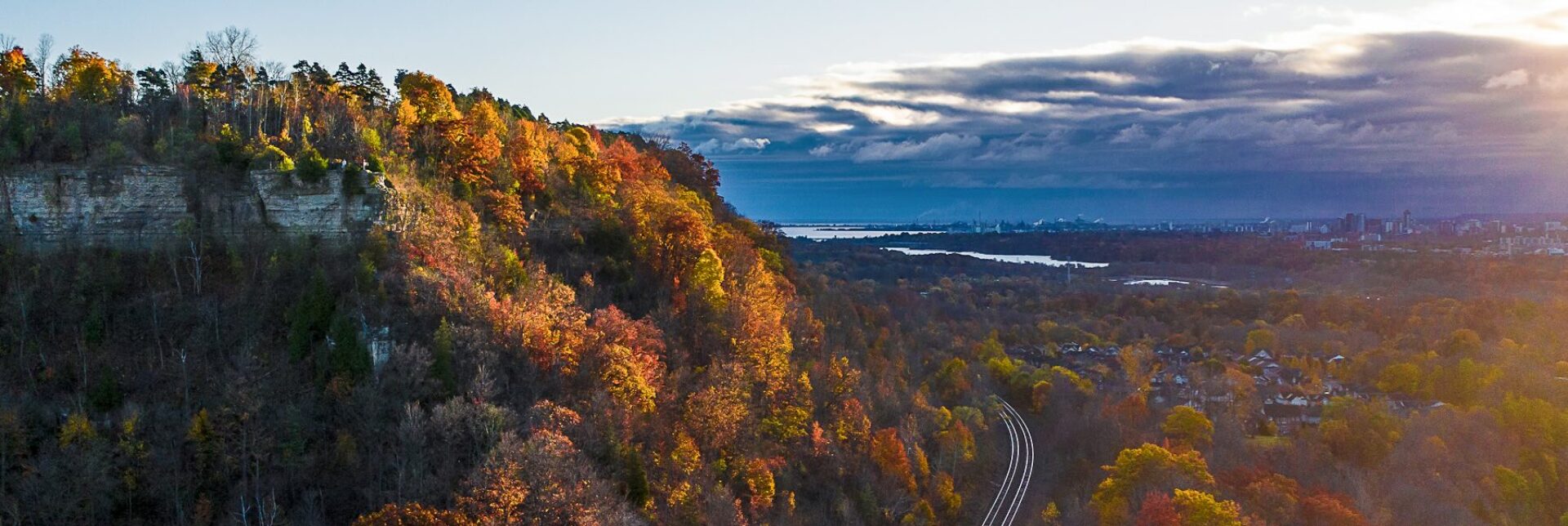
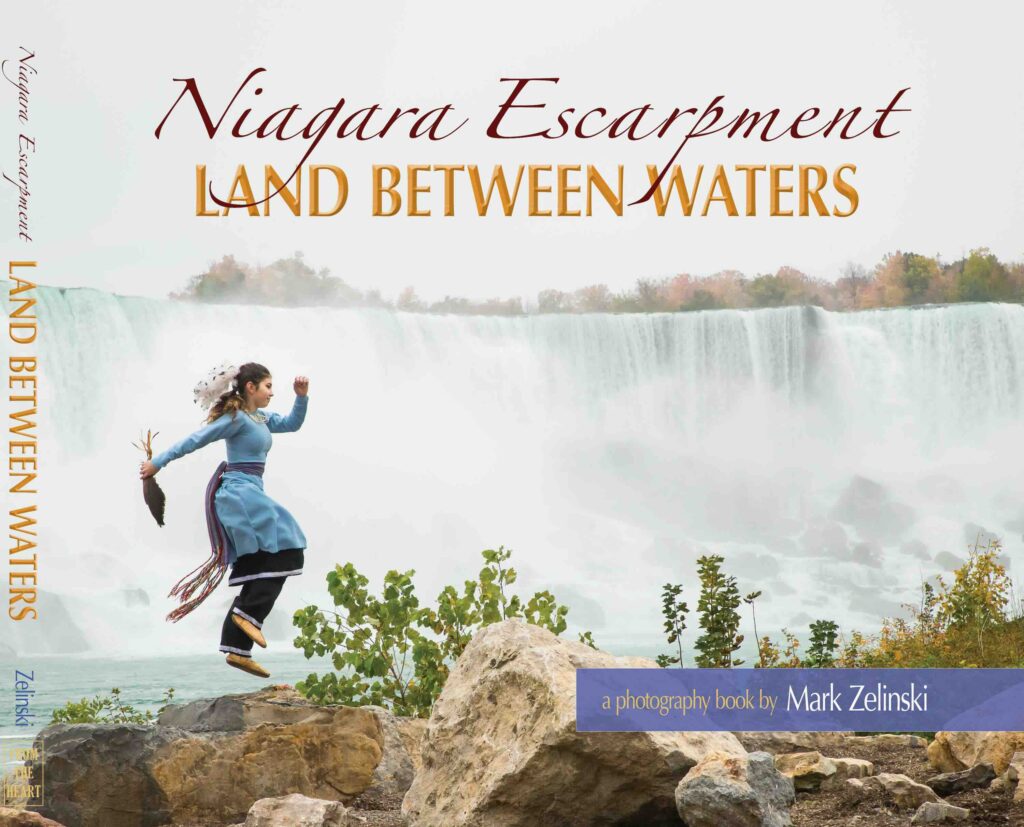
Mark Zelinski has been taking iconic images for close to 50 years. He will launch his latest book, Niagara Escarpment, Land Between Waters, on April 29.
Sitting down in Mark Zelinski’s dining room in Waterdown for a discussion about his latest collection of photographs, I had to admit I knew nothing about him or his iconic images.
For a photographer with international recognition, it was a strange and twisting path to a nearly 50-year career.
“I didn’t train as a photographer and had no intention of being a photographer,” he says. “I won the Governor General’s Medal for film and photography while at the Ontario School of Art and there was an article in the Oakville paper and some of the Toronto papers.”
Then the phone started ringing.
“The Royal Canadian Golf Association contacted me to ask if I would shoot the Canadian Open.”
He agreed, despite having no idea how to shoot sports photography, deciding he would learn as he went along. He ended up shooting a now-legendary photo of Canadian Open winner Lee Trevino shooting a ball out of a sand bunker. It’s a photo I had seen hundreds of times growing up.
“I took the shot that was used everywhere around the world. Within a week I was asked by the Blue Jays to shoot for them, and it kind of went from there.”
His travels have taken him to 80 countries on seven continents, shooting everything from Indigenous people in Peru to the Outward Bound schools scattered around the world.
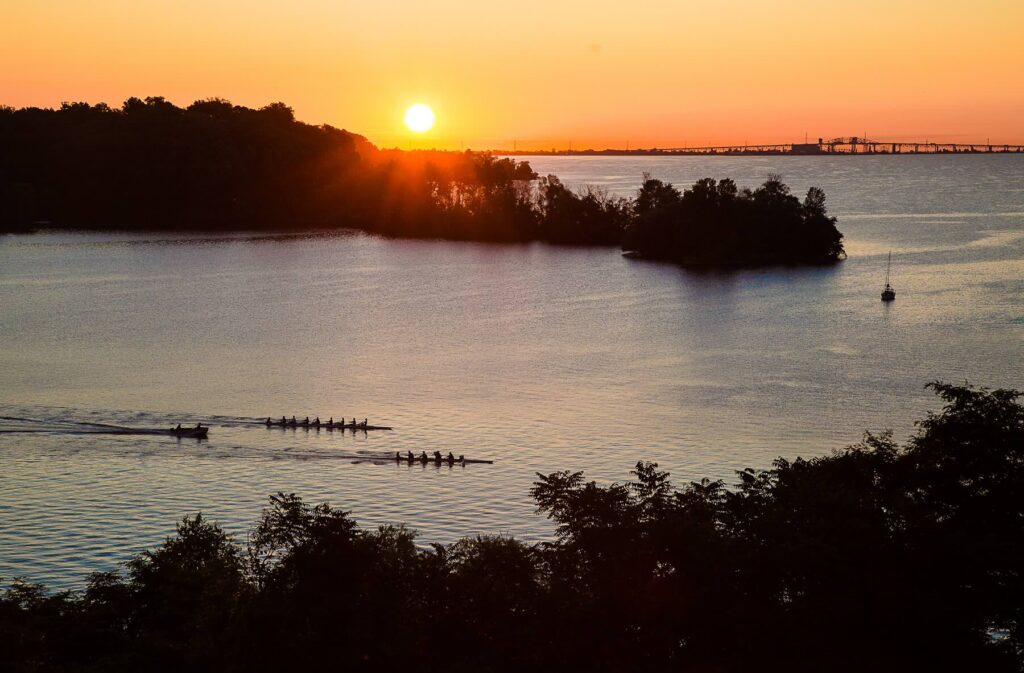
However, in the early 1990s he fell in love with someone from Stoney Creek and moved to Hamilton, though he continued to shoot in exotic locations. That is, until the pull of family brought him home.
“In 2012, my mother became ill, and I decided I should spend time with her. I wanted something to do while I was doing that and thought I could do a book about the Niagara Escarpment.”
Thinking he was familiar with the landmark and what it meant, he soon realized he knew almost nothing about it.
What followed was the first book in 2017, The Heart of Turtle Island.
“The escarpment began as a tropical sea at the centre of the (super)continent called Pangea,”
explains Zelinski.
“A lot of the life forms we have today started in that shallow sea. We might have originated there. I consider this to be the heart of the earth. The heart of Turtle Island.”
Before he started his research, Zelinski had not been aware of the history of the escarpment, and more importantly, had not known how many First Nations lived on or near this important geological feature.
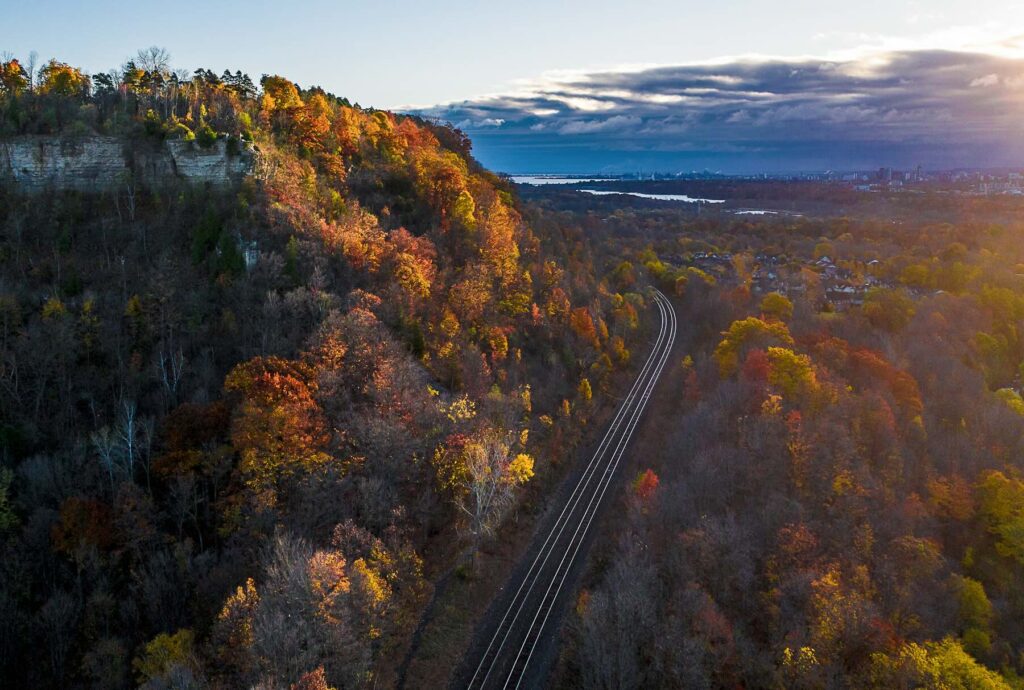
“I realized when I was doing the last book that each First Nation needed a chapter.” Highlighting the Indigenous communities along the escarpment became an important feature of the book, and an even more important element of the revised edition that would soon be underway.
In 2018, he began to run low on copies of the first book and he soon started working on a revised edition. It would occupy him for the next eight years.
That revised book became Niagara Escarpment, Land Between Waters, a stunning work filled with over 600 photos of the escarpment, the nature along it, the communities around it and the First Nations woven through it. Each chapter is written by a different expert, including Indigenous authors and knowledge keepers with international status.
Hamilton plays a significant role in the book.
“It weaves throughout all the chapters, the Bruce Trail, the ecological corridors, the geography, there’s Hamilton in almost every chapter.”
But why devote so much time to a cliff that runs from Niagara to Wisconsin?
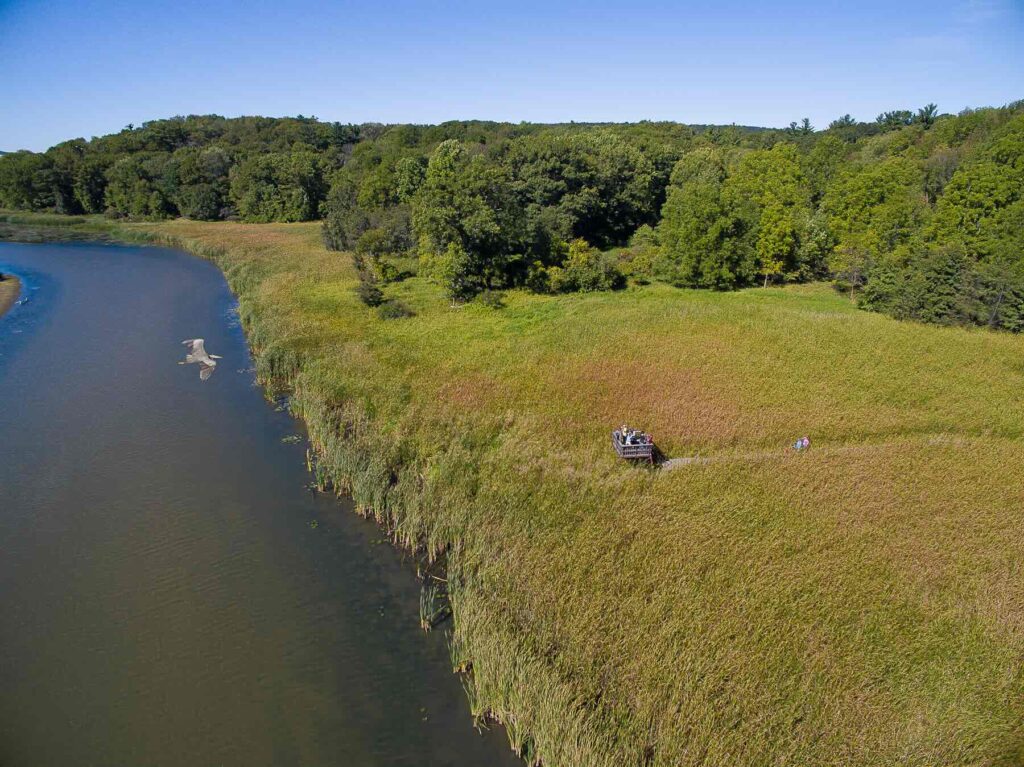
“When I discovered what we have here in Ontario, these incredible ecosystems linked by the escarpment, the amount of water contained in the earth, and how fertile the soil is around it, I also realized that a lot of people in Southern Ontario aren’t really familiar with what we have here. If they’re not familiar with it, then they’re not going to know if it vanishes.”
He has made it his mission to educate everyone, but especially young people, about the importance of preserving the land and water he highlights in his book. “I have donated thousands of books to the school boards in Southern Ontario,” he says.
“The future is really in the hands of the younger generation. Unless they learn to love the wealth of the natural world we have here and decide to protect it, it may not be here in 100 years.
“We’re under threat from the challenges to the greenbelt, the conservation areas merger, the attacks on endangered species, even from south of the border. Younger people really need to know what we have here.”
The worldwide launch for Niagara Escarpment, Land Between Waters will be April 29.
Speakers at the launch will include the legendary Tim Johnson from the Niagara Academy for Indigenous Relations, Michael MacDonald from the Bruce Trail Conservancy, and Alan Corbiere, an Indigenous historian from York University.
No registration is required, and books will be available for purchase and signing. Things get underway at 6:30 p.m. at the Tourism Hamilton office in the Lister Building at 28 James St. N.
It is sure to be a fabulous evening celebrating the beauty and diversity of one of the most important natural areas in Ontario, and perhaps in all of Canada.