
7 2SLGBTQIA+ leaders you should know
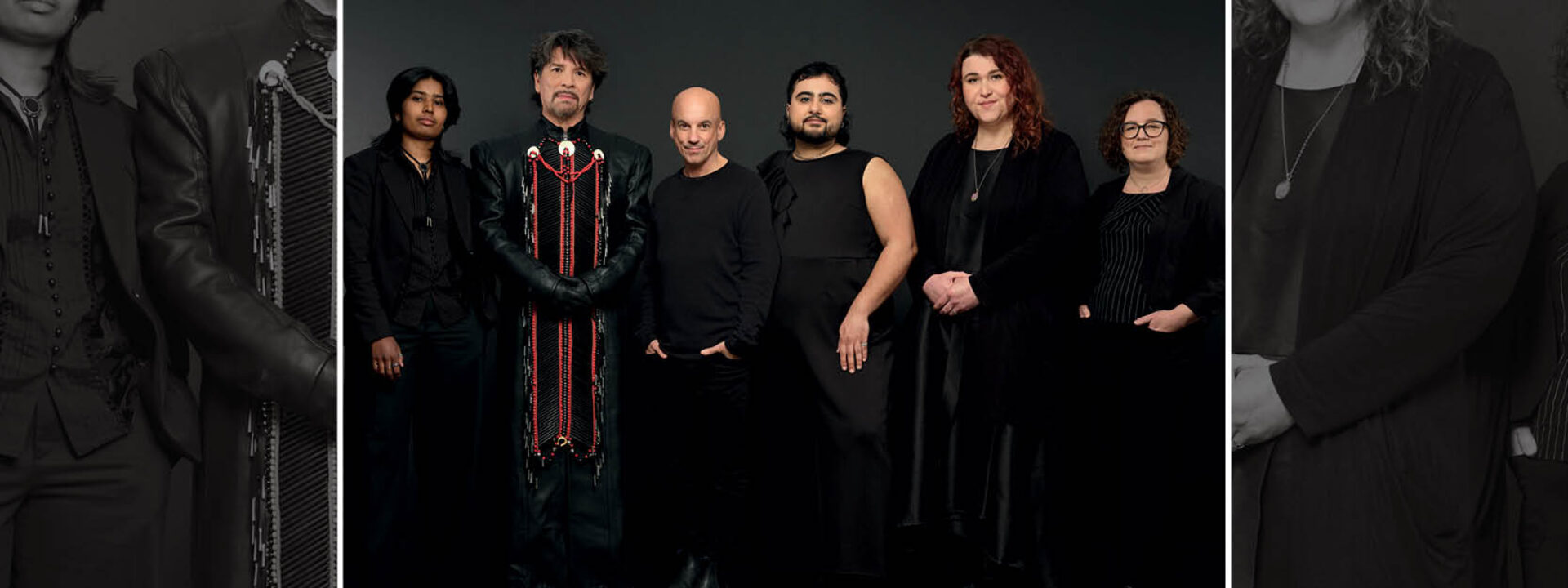
In honour of Pride in June, we asked inspiring local advocates and community leaders about their work, why marking Pride matters, what needs to change at the local level, and their greatest wish for the communities they serve. These are just seven Hamiltonians who champion 2SLGBTIA+ people locally. Thankfully, there are many more!
Rebecca Banky
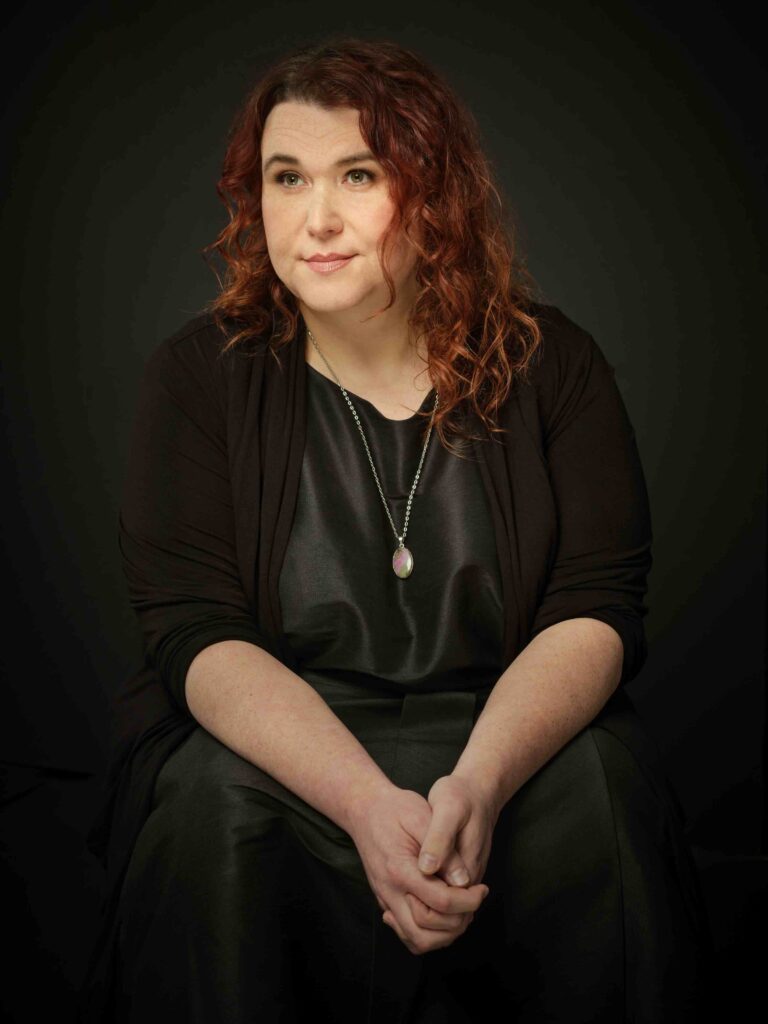
Pronouns: she/her/hers
2SLGBTQIA+ identity: bisexual trans woman
Role: Community engagement organizer, advocate, and equity-based project manager
Organization/program: City of Hamilton and other organizations
How many years working in 2SLGBTQIA+ advocacy: 6 years
What challenge or need does your work aim to address?
Historically, those with the power to make decisions have often not listened to marginalized communities including the queer and trans community, and it can still be difficult to ensure their voices are heard in decisions that affect them. Barriers marginalized communities face can include a lack of understanding or empathy for their circumstances and lived experiences, structural or institutional bias, and personal experiences that make it frightening to interact with government or law enforcement. My community engagement work involves helping marginalized communities effectively communicate feedback to decision-makers in a way that effectively and materially impacts change.
Is Pride important? Why or why not?
I can't imagine why we wouldn't need Pride when the number of hate symbols visible around Hamilton has been on the rise. We've come a long way in many respects, but the streets still don't feel safe for a lot of queer people, and Pride is an important opportunity to take up space in them. Pride helps us find allies by showing that we vote here, support businesses, and belong in this city. And we can't measure what seeing Pride can mean for a young person still coming to terms with their identity, or anyone still in the closet.
What is the most fulfilling aspect of your work?
My visibility has led to a lot of young, recently out, or still-closeted people reaching out to me for advice, connection to community, or even tips about where to buy clothes! It's really meaningful to meet people in the early moments of their exploration of gender identity and expression, and to help them find their own genuine identity. It's a gift, and it keeps me humble in the work and reminds me why we do the larger-scale work – so that people have a chance to be themselves freely.
If you could snap your fingers and change one thing at the local level, what would that be?
If this is really a wish, then the answer has to be providing affordable housing for everyone who needs it. It's an intersectional issue tied to multiple major crises that disproportionately affect the 2SLGBTQIA+ community. Young folks whose families don't accept them end up precariously housed or unhoused; people facing hiring discrimination in employment are less likely to be able to secure stable housing; landlords may discriminate without impunity against queer and trans renters; and a housing-first focus makes all our community safer.
What message would you like to deliver to the broader public about your 2SLGBTQIA+ community?
Love is important, living authentically matters, and we just want to live happy and meaningful lives like everyone else. Trans people are one of the first targets of the hate that is brewing, not just in the United States but here in Canada, too. Our ability to access necessary and life-saving medical care – and even to safely exist in public – is under threat. We hope that when you vote you will think about protecting our ability – and everyone's ability – to be themselves and live well in this country.
What would make for a step forward toward true inclusivity?
Genuine reciprocal curiosity. This includes people outside the community seeking to be allies and looking to us for guidance. Allies outside the community should look to us for answers about what we need and what experience has taught us; it also includes our community looking to its own members with disabilities, racialized members, and members experiencing other forms of marginalization (e.g., sex workers) to learn how to make our community truly inclusive.
What is your greatest wish for the community you represent and advocate for?
Joy, happiness, and freedom from persecution. I want a level of equality and safety where the only thing a young person coming to terms with their identity has to worry about is figuring out who they are.
Amber Dean
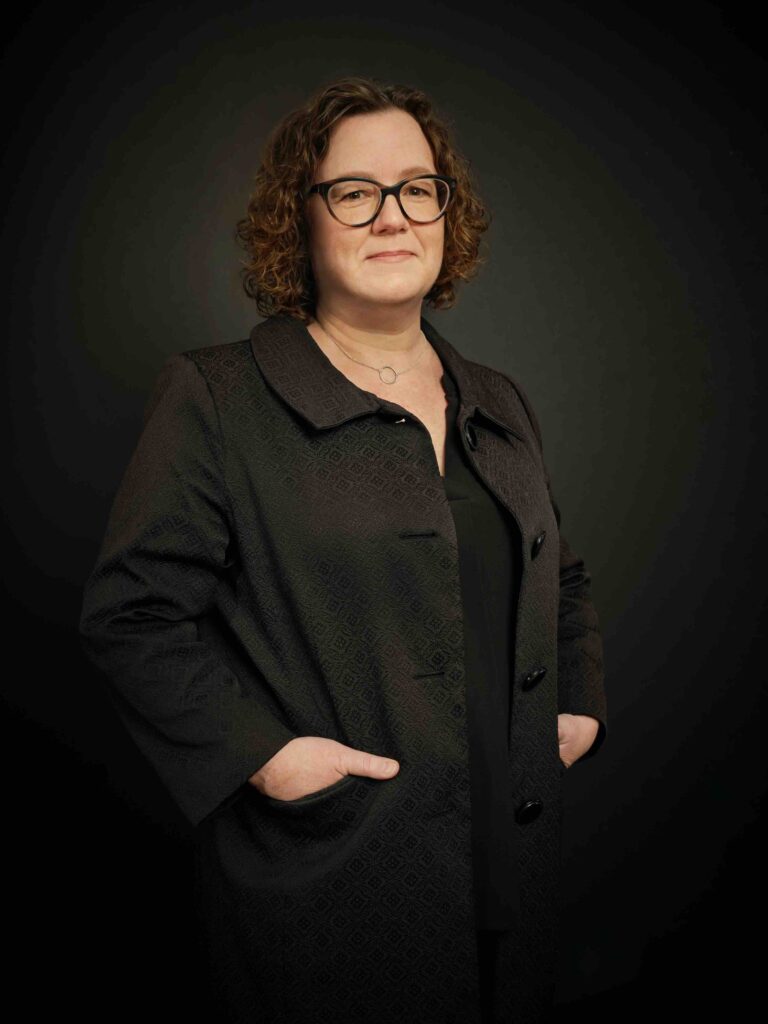
Pronouns: She/Her
2SLGBTQIA+ identity: Lesbian
Role: Professor
Organization/program: Department of English and Cultural Studies, McMaster University
How many years working in 2SLGBTQIA+ advocacy: About 25 years! How did that happen??
What challenge or need does your work aim to address?
Most of my work has been with 2SLGBTQIA+ young adults. Before I became a professor, I volunteered with a queer and trans youth group. As I get older, I am most interested in creating opportunities for intergenerational conversations and learning between 2SLGBTQIA+ elders and younger people. So much about the queer past does not get passed down to younger generations, and at the same time we in the older generations have a lot to learn from young people.
Is Pride important? Why or why not?
Pride can be important when we remember it is and always has been political. Right now with the “Building the Hamilton 2SLGBTQ+ Community Archives” project, we are working on a digital story about the activism and community organizing that led to banning the military and police from having recruitment booths at Pride in 2007 and 2008. When Pride embraces its role in political struggle and transformation, it can be really beautiful.
What is the most fulfilling aspect of your work?
Getting to teach and learn from young queer and trans adults. I love it when I get to teach classes with “queer” in the title, because they attract queer and trans students from all over campus. When I get to introduce them to queer writing, art, and activism from the 1970s onwards, including stuff that happened right here in Hamilton, it’s really moving.
If you could snap your fingers and change one thing at the local level, what would that be?
We need a 2SLGBTQIA+ community centre! A hub for queer and trans organizations and gatherings that could maybe also house the Hamilton 2SLGBTQ+ Community Archives, especially as the archives start to grow and expand. So many people in our community have been calling for so long for a community space that isn’t a bar — a place that could house support services but also act as a hub for workshops, events, social gatherings, etc. It would allow for so much more intergenerational connection and learning, too. I would teach my queer classes there! We badly need this kind of space in Hamilton.
What message would you like to deliver to the broader public about your 2SLGBTQIA+ community?
We are not a threat to you (as long as you’re not a threat to us). If you don’t know anyone who is 2SLGBTQIA+, try getting to know us before you make up your mind about us. It’s possible for us all to co-exist. The 2SLGBTQIA+ community is actually a good model for how we can disagree and sometimes be diametrically opposed and still find ways to live together.
What would make for a step forward toward true inclusivity?
I don’t think true inclusivity comes from legal changes, though those remain important. But getting a chance to talk to and maybe even form friendships or relationships with people who are different from us, who might challenge our ways of being in the world but still show us mutual respect — that would be a step toward meaningful inclusivity, in my view.
What is your greatest wish for the community you represent and advocate for?
That we can keep learning from each other, even when we disagree, and that we really listen to each other and make sure we’re treating each other with care. I hope we can find ways to have the toughest conversations about all the ways we're different, and about the things that divide us as a community, like racism, classism, sexism, ableism, ageism, homo- and lesbo- and transphobia, to name a few, as well as about our different hopes and visions for the future, without turning our backs on each other.
Wil Prakash Fujarczuk a.k.a. Unita Assk
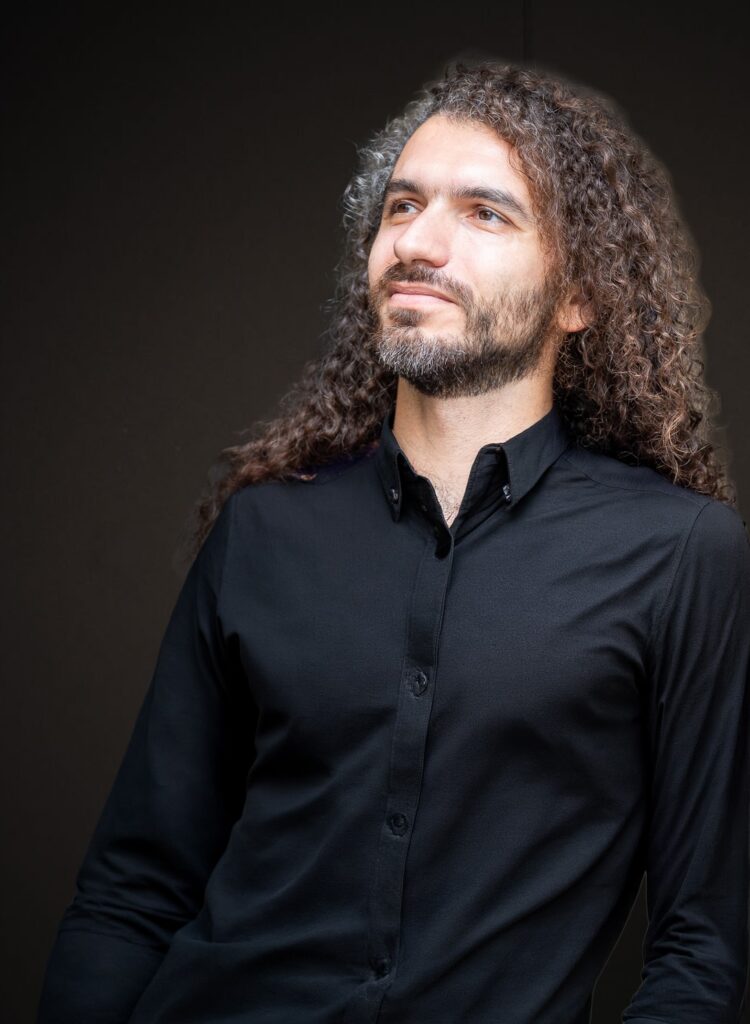
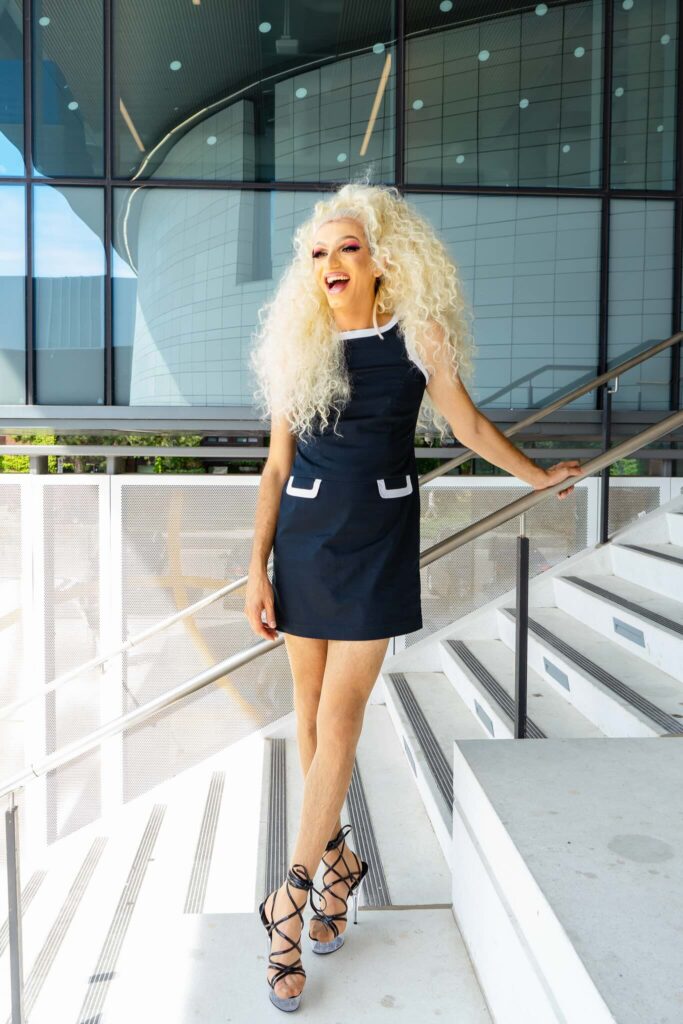
Pronouns: he/him (or she/her in drag)
2SLGBTQIA+ identity: queer man
Role: Gender-based violence prevention educator, consent-educating drag queen, doctoral student, and yoga teacher
Organization/program: Self-employed consultant
How many years working in 2SLGBTQIA+ advocacy: 10 years
What challenge or need does your work aim to address?
A lot of my work has been focused on preventing sexual violence, something we know that impacts queer and trans communities at disproportionate rates. Using my drag persona, Unita, to teach about consent foregrounds queerness and creates a disarming, fun, approachable way to engage in what can be a difficult conversation. I’m also currently pursuing my doctorate in educational research, looking at the ways queer and trans survivors of sexual violence navigate support within post-secondary institutions.
Additionally, I teach a weekly yoga class for queer, trans, and allied folks. This gives participants space to connect with their bodies in a safe, affirming environment, and to build community with each other. Having a space for people to be present in their bodies without judgement or performance is its own radical, healing act—yoga has offered this space for me, and I love sharing it with others.
Is Pride important? Why or why not?
Totally! Pride is our antidote to the shame we have been taught to feel about ourselves.
What is the most fulfilling aspect of your work?
There are many fulfilling aspects to this work, which is why I love doing it! One that stands out is the influential power of queer visibility when I’m in drag. The comments and emails that follow from younger queer folks who feel seen and valued and more empowered to be themselves after meeting Unita fill my heart! Another is when participants or students I’ve worked with share that what they’ve learned from me has helped them be a better friend, partner, or family member to those in their lives who’ve experienced some type of sexual violence. Sharing with people the skills to support others is truly rewarding.
If you could snap your fingers and change one thing at the local level, what would that be?
It may sound cliché, but I’d want everyone to feel safe and comfortable out in the community! Free from unwelcome comments about how we dress or who we are.
What message would you like to deliver to the broader public about your 2SLGBTQIA+ community?
Our communities’ freedom is everyone’s freedom. Supporting and advocating for 2SLGBTQIA+ rights creates a healthier, safer community for all.
What would make for a step forward toward true inclusivity?
Recognizing that inclusivity is an ongoing practice, not a one time thing. We must consistently listen to and centre the most marginalized.
What is your greatest wish for the community you represent and advocate for?
That we can all live in safety, joy, and dignity.
Cole Gately
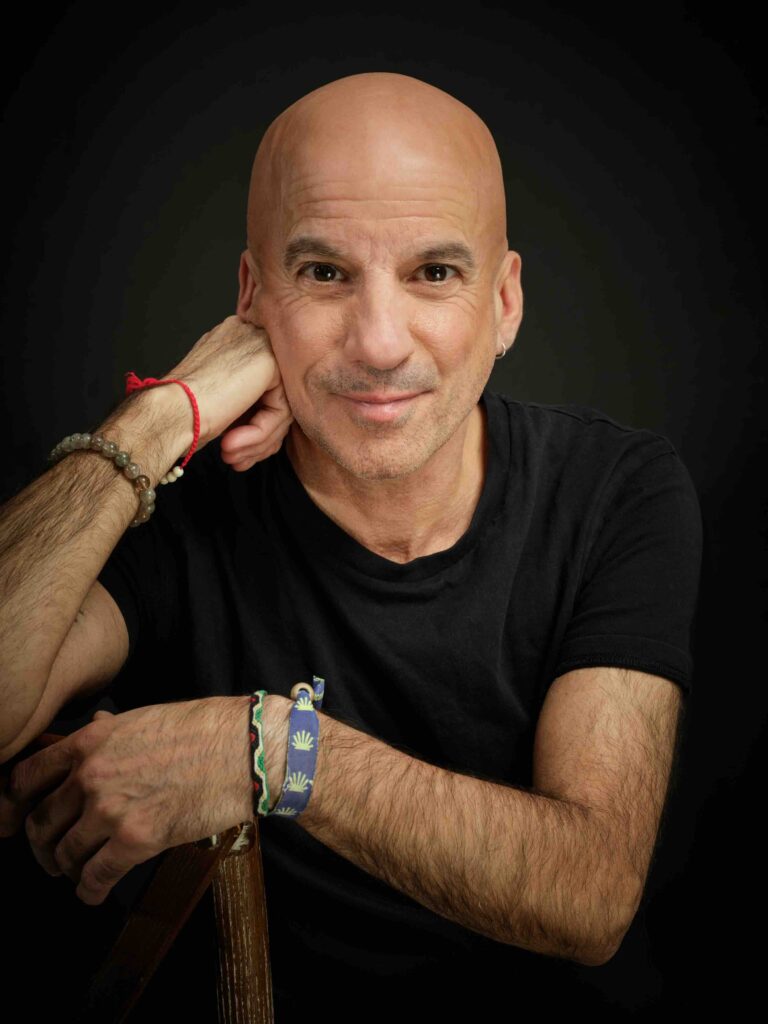
Pronouns: he or they
2SLGBTQIA+ identity: queer, trans, liminal, in-between genders. I don’t like being described as “not” something, so “non-binary” doesn’t fit for me. I think “liminal being” – being betwixt and between – is much more descriptive of who I am.
Role: Chair, Hamilton Trans Health Coalition; oral histories collector; community steward of Hamilton 2SLGBTQ+ Archives
How many years working in 2SLGBTQIA+ advocacy: Since 1991, so 35 years or so
What challenge or need does your work aim to address?
Erasure: I facilitated a donation by Michael Johnstone, local gay man, a nurse, and collector of almost 50 years’ worth of 2SLGBTQIA+ news, meetings, events, of his collection to Hamilton Public Library, Local History and Archives. Sadly, Michael died in 2018, the fall after the spring shifting of his boxes to HPL Central Branch. There were over 50 boxes, sifted through by undergraduate students of a community-based participatory research course, who also catalogued some of the collection, and documented video oral histories with 2SLGBTQ+ from days gone by.
I’m the founding and current chair of Hamilton Trans Health Coalition, which has been working for over a decade to make gender-affirming care available across Hamilton’s healthcare systems. We have an advisory committee, an all-members meeting several times a year, and a listserv for health care practitioners and others to share resources across Hamilton and neighbouring municipalities.
Is Pride important? Why or why not?
Yes. It’s important to visibly, on the streets, take up space and come together to celebrate our history, and network and socialize, to make friends and create coalitions for future work in demanding respect for trans human rights. After all, “We’re here, we’re queer. Get used to it.” I might add that trans people and queer people in general have been on the planet since the beginning of humanity.
I am turned off by the heavy corporate co-optation of Pride and our lives and struggles, but I still head down to Hamilton Pride each year, just to enjoy it. I couldn’t do that for years, as I was heavily involved in community organizing and events hosting at different points during the ’90s and naughts. So, my overwhelming feeling usually during Pride was stress! Now, I’m happy to be able to enjoy the experience of others, who are younger or newer to the scene, moving things forward.
What is the most fulfilling aspect of your work?
Meeting people. I do enjoy the research and instructional design aspects of my work – I’m a consultant, an anti-racism and anti-oppression adult educator. But everyone has a gift, and mine is my ability to connect with people, whoever they are. I’m always wired after a workshop, even if it’s been all day. I just love interacting with people, learning with them, and having meaningful conversations about how to achieve equity.
If you could snap your fingers and change one thing at the local level, what would that be?
I like queer-only spaces, although they are few now. I want there to be a dedicated queer space in Hamilton – like The (original) Well – that runs programming and has a social aspect so that everyone feels they belong there, across the intersections of race, class, immigration status, gender, ability, etc I would make sure that such spaces are mandatory in every urban setting.
I want those who want to live mainstream lives to be able to do that. And, for those who can’t get with the mainstream to be able to live their lives to the fullest, too. They’d be able to afford housing, food, medication, have families, go on vacation. I am in my activist twilight years. I’ve been involved in 2SQT+ organizing for almost four decades, and I’ve witnessed the evolution of our diverse community over that time. I’ve worked with people 15-25 years older than me, and with those who have not yet cracked 35. I like that the intersections are more prominent now, with people recognizing that gay marriage wasn’t the end of the fight. That housing, food, equity, inclusion, etc. are still issues many members of our communities are still dealing with.
What message would you like to deliver to the broader public about your 2SLGBTQIA+ community?
I occupy several different queer communities. I have a large one here in Hamilton, a tiny but mighty one in North Berwick, Scotland, where I spend a few months a year. And, a slightly larger one in Ericeira, Portugal, where I also spend quite a lot of time. I have lesbian feminist friends, lesbian not-so-feminist friends, gay men, trans people, liminal beings, kinksters, and hetero/cis people in my life. We come from all walks of life, political beliefs, cultural identities, ages, abilities, religions, etc. The overwhelming majority of us just want to be happy and get through the day. My message to the broader public is to live and let live; that’s what we’re doing.
What would make for a step forward toward true inclusivity?
Right now, all of us, especially those of us who are not subject to homophobic or transphobic discrimination or violence, need to stay in our lane, and understand that the decisions that one person makes about their life has absolutely no impact on anyone else. People who go around being violent towards or discriminating against other people for their identities, are not very happy or content in their own identities.
It starts with kids. Let children be children. Let them explore, experiment, fail, and succeed, and rest assured they’re going to develop into adults who think with adult brains, and make decisions about their life and discover their identity based on who they actually are and what they need.
What is your greatest wish for the community you represent and advocate for?
My greatest wish is that kids will be able to be kids and discover who they are, just like their parents were able to. My wish is that parents will understand the difference between children’s rights and parental responsibilities. That’s how it’s supposed to work.
NaWalka Geeshy Meegwun ( Longfeather ) aka Lyndon George
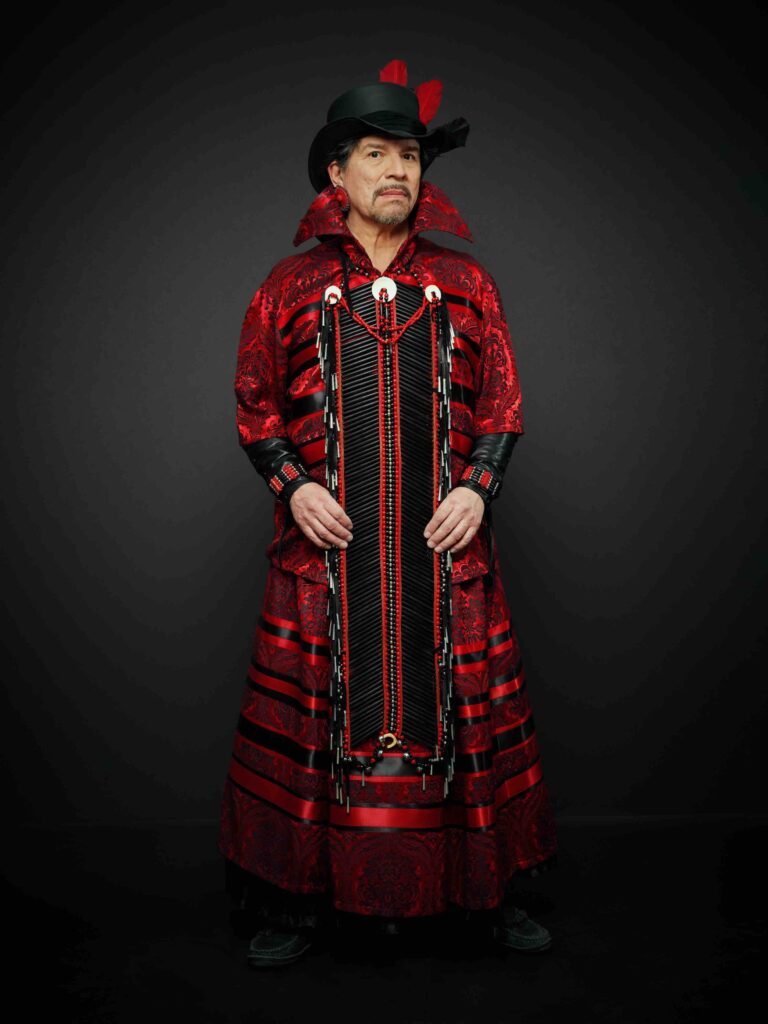
Pronouns: I do not subscribe to pronouns because the active use of pronouns come in two languages and one of them is not the Anishinaabemowin.
2SLGBTQIA+ identity: Anishinaabe Ojokwe (Anishinaabe is the nation I am from and Ojokwe is one of the many terms in our ancient language that describes my gender identity combined with roles and responsibilities.)
Role: member of the Two Heart, Two Spirit, Indigenous queer community
How many years working in 2SLGBTQIA+ advocacy: I have worked a lifetime advocating for the reclamation of Two Spirit, Two Heart, Indigenous queer roles, responsibilities, and inclusion.
What challenge or need does your work aim to address?
The biggest challenge as Anishinaabe Ojokwe, Two Heart, Two Spirit, Indigenous queer is the ongoing battle against the many harms colonialism and attempted genocide brings to Indigenous communities both urban and rural. Homophobia is not an Indigenous construct and it was reinforced during the eras of Canadian Indian residential schools and federal Indian day schools.
Is Pride important? Why or why not?
Having Pride in who I am and where I come from is extremely important, particularly Pride in being Indigenous. Indigenous Pride includes Indigenous gender and gender identity, which includes Two Heart, Two Spirit, Indigenous queer, therefore the existence of queer has also been a part of the circles on Turtle Island – North America. Our existence as Two Spirit, Two Heart, Indigenous queer is embedded in our ancient languages.
What is the most fulfilling aspect of your work?
The most fulfilling aspect of the advocacy work that I do is to see the reclamation of space, roles and responsibilities that Two Heart, Two Spirit, Indigenous queer folks are doing. We are reclaiming our space within our circles.
If you could snap your fingers and change one thing at the local level, what would that be?
I can walk outside at any given moment during any given day and I can go out and find my Indigenous community. I cannot do that with my queer family. We need queer space in the city of Hamilton. I feel we need a space for queer family members to gather and share our wisdom and knowledge as well as support one another. A space where we can come together and celebrate our diversities and grow stronger together. A place where we can foster kindness and love.
What message would you like to deliver to the broader public about your 2SLGBTQIA+ community?
I feel the broader community and the queer community would benefit from witnessing each other's truth. Witness each other's stories. Witness the truth of our living experiences in the city of Hamilton. Hatred and violence serve no purpose and achieve no positive goals. Kindness and love can fuel positive growth in all aspects of life.
What would make for a step forward toward true inclusivity?
Homophobia and hate often keep representation of our queer community silenced. True inclusivity means having queer representation at all levels within all institutions. All circles would benefit from having queer perspectives within them. Queer perspectives bring living experiences, wisdom and knowledge that have the power to change paths and move forward in a good way.
What is your greatest wish for the community you represent and advocate for?
I cannot wish for just one thing. I wish for the seven gifts that have been provided to us: Love, respect, bravery, truth, honesty, humility, and wisdom.
Sid Kirk
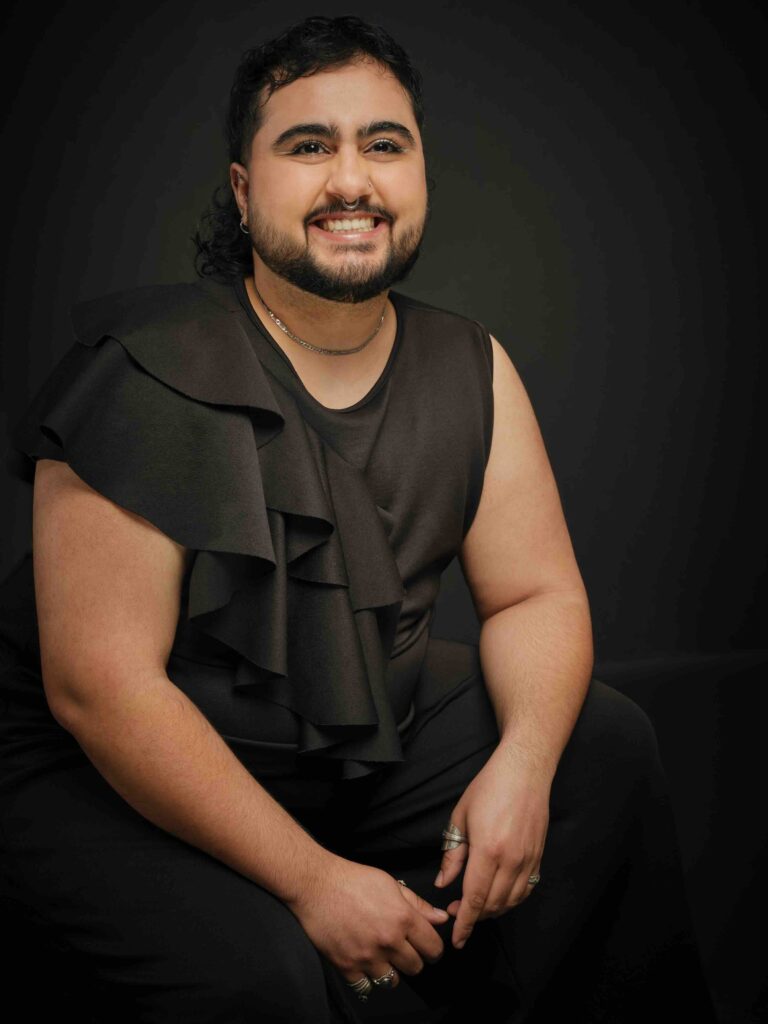
Pronouns: he/they
2SLGBTQIA+ identity: Non-binary, transmasculine, and queer
Role: Two-Spirit & LGBTQIA+ support worker, and check-in staff
Organization/program: YWCA Hamilton - JOIN (Immigrant and Settlement) program, and Speqtrum
How many years working in 2SLGBTQIA+ advocacy: 5 years
What challenge or need does your work aim to address?
The lack of support and spaces for Two-Spirit & LGBTQIA+ youth and racialized newcomers.
Is Pride important? Why or why not?
Pride at its core is important. Pride as a celebration is important. Pride as an event where community and solidarity are emphasized is important. Corporate pride and pinkwashing feel icky.
What is the most fulfilling aspect of your work?
Being able to support others in my community by using my lived experience and knowledge to make their journey easier and less isolating.
If you could snap your fingers and change one thing at the local level, what would that be?
Increased funding for Two-Spirit & LGBTQIA+ programming and advocacy.
What is your greatest wish for the community you represent and advocate for?
To live lives full of authenticity, abundance, love, joy, and ease.
Poomicaa Piratheepan
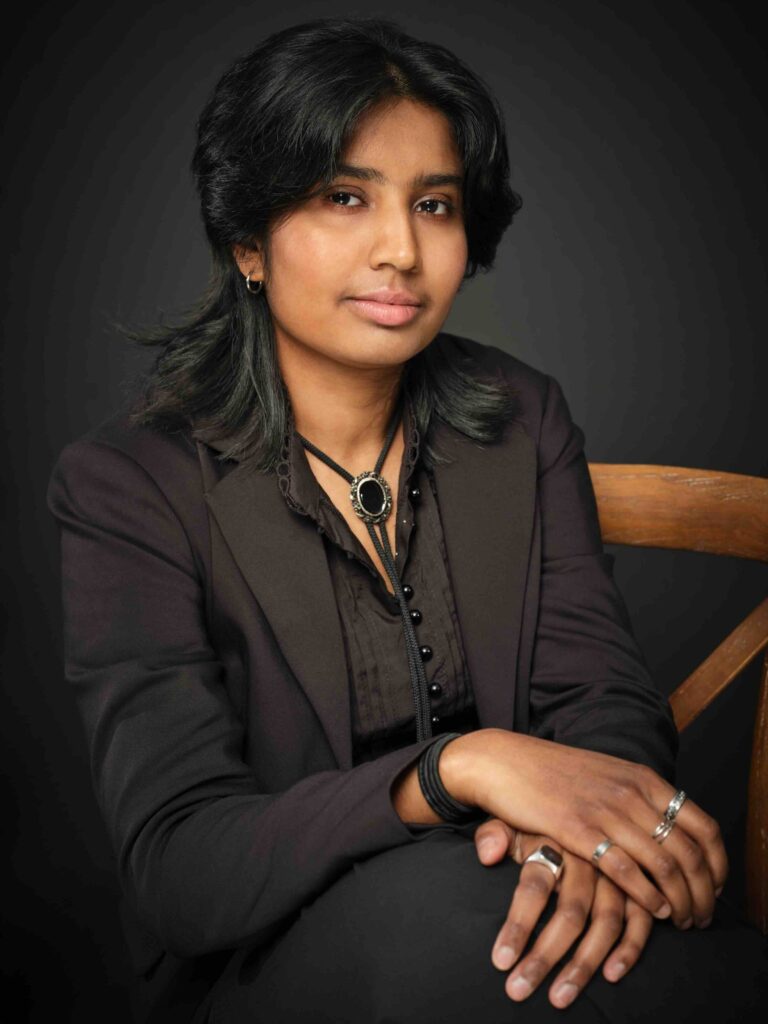
Pronouns: (they/them)
2SLGBTQIA+ identity: Nonbinary Lesbian
Role: Research & resources coordinator
Organization/program: Pride Community Centre at McMaster University
How many years working in 2SLGBTQIA+ advocacy: 4
What challenge or need does your work aim to address?
My work at the Pride Community Centre addresses gaps in resources and research for 2SLGBTQIA+ students. I gather research on topics relevant to the diverse identities and concerns of the student body. Together with my co-coordinator, I create accessible resources such as online documents and in-person events, such as workshops and panels. Since research is often limited or outdated, our work emphasizes keeping resources current, relevant, and accurate.
Some resources that I have developed include:
● A Guide to 2SLGBTQIA+ Services, Resources, and Supports at McMaster University
● Queer Event Spaces in Hamilton
● Sports Opportunities in Hamilton and Across the GTA
● Queer & Trans-Friendly Barbershops and Hairstylists
● Information on PrEP
● Gender-Affirming Care at McMaster University
● 2SLGBTQIA+ Gaming Resources
● How to Change Your Name at McMaster University
● Queer in STEM at McMaster University
● Queer Researchers & Mentors at McMaster University
Is Pride important? Why or why not?
Pride is widely important, as it is a vital movement for human rights, visibility, and equality. It promotes self-acceptance, combats internalized shame, and challenges homophobic and transphobic discrimination. Beyond activism, it helps build community, fosters belonging, and recognizes 2SLGBTQIA+ history. Even where negative attitudes persist, Pride activism has empowered social and legislative change. Pride allows the community to reclaim rights, freedoms, and the public spaces often denied. It offers safety, support, and authenticity, helping youth gain the confidence and knowledge to navigate their identities.
What is the most fulfilling aspect of your work?
The most fulfilling part of my work is seeing students access and benefit from the resources that I’ve created. While some resources are general, many are designed for specific identities or needs. Seeing a narrowly targeted resource being used and appreciated is especially rewarding.
For instance, I recently co-hosted a queer research panel highlighting supervisors conducting queer research at McMaster. Although the audience was small, the event was highly successful, and participants shared positive feedback. Hearing students’ perspectives and experiences reinforces the meaningful impact of providing individualized and relevant support. Even if one student benefits, the effort feels worthwhile.
If you could snap your fingers and change one thing at the local level, what would that be?
If I could change one thing, it would be to improve accessibility to physical, tangible resources. Many of our resources focus on accessing supports, but students often lack access to items they can directly use due to high costs. If funding were unlimited, I would improve access to the following tangible items:
● Gender-affirming gear with a variety of sizes and colours (binders, tucking underwear, basic makeup, haircare items, shaving/grooming kits, etc.)
● Gender-affirming clothes (clothing sorted by style/fit rather than gender labels)
● Safer sex supplies (different types of condoms, lube, dental dams, gloves, etc.)
● Harm reduction kits (hydration packets, earplugs, first aid items, naloxone kits, etc.)
● Sensory and accessibility kits (earplugs, fidget toys, sunglasses, etc.)
● Menstrual and hygiene products (pads, tampons, wipes, sanitizer, etc.)
● Non-perishable foods (to assist with housing or food insecurities)
● Survival kits with daily living items (toothpaste, toothbrush, lotion, deodorant, etc.) Wider access to these tangible items would support students across multiple domains of their lives.
What message would you like to deliver to the broader public about your 2SLGBTQIA+ community?
To the emerging youth navigating their identities, your identity, experiences, and feelings are all valid. It’s OK to question and explore your identity. There is no “right” way to be, but you deserve to be authentically yourself. Surround yourself with supportive people, seek welcoming spaces, and never hesitate to ask for help. Your existence matters, so be proud of who you are. You deserve all the love, joy, and respect in the world, just like everyone else. Being true to yourself is one of the bravest acts in life.
What would make for a step forward toward true inclusivity?
A meaningful step forward toward true inclusivity would require organizations, communities, and professionals to go beyond “tolerance” and actively find ways to educate and integrate 2SLGBTQIA+ individuals in all spaces. This can be done by including members of the community in decisions affecting them, increasing education and awareness across schools and workplaces, and promoting affirming and inclusive spaces where pronouns are respected and authenticity is encouraged. By challenging stereotypes and biases, society can progress toward a culture where 2SLGBTQIA+ is respected and celebrated.
What is your greatest wish for the community you represent and advocate for?
My greatest wish for young people in the 2SLGBTQIA+ community is to grow up feeling safe, seen, and proud of themselves. I hope people feel comfortable in themselves at all stages in navigating their identities and in all environments they access, without fear or judgment. I wish schools and communities offered more inclusive environments where students can feel respected, their voices are heard, and they receive adequate support to thrive. Ultimately, I want resources and systems to empower students to feel confident, comfortable, and authentic.
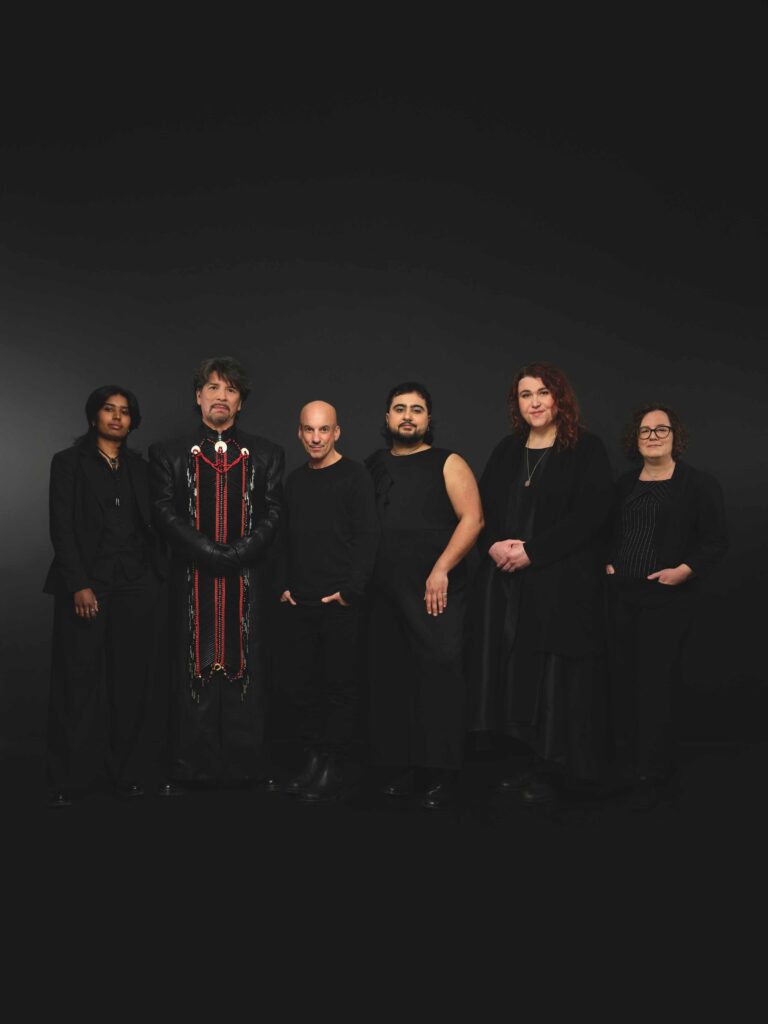
PHOTO: Marta Hewson for HCM