





Hamilton Phil brings big feelings of Shubert & Tchaikovsky
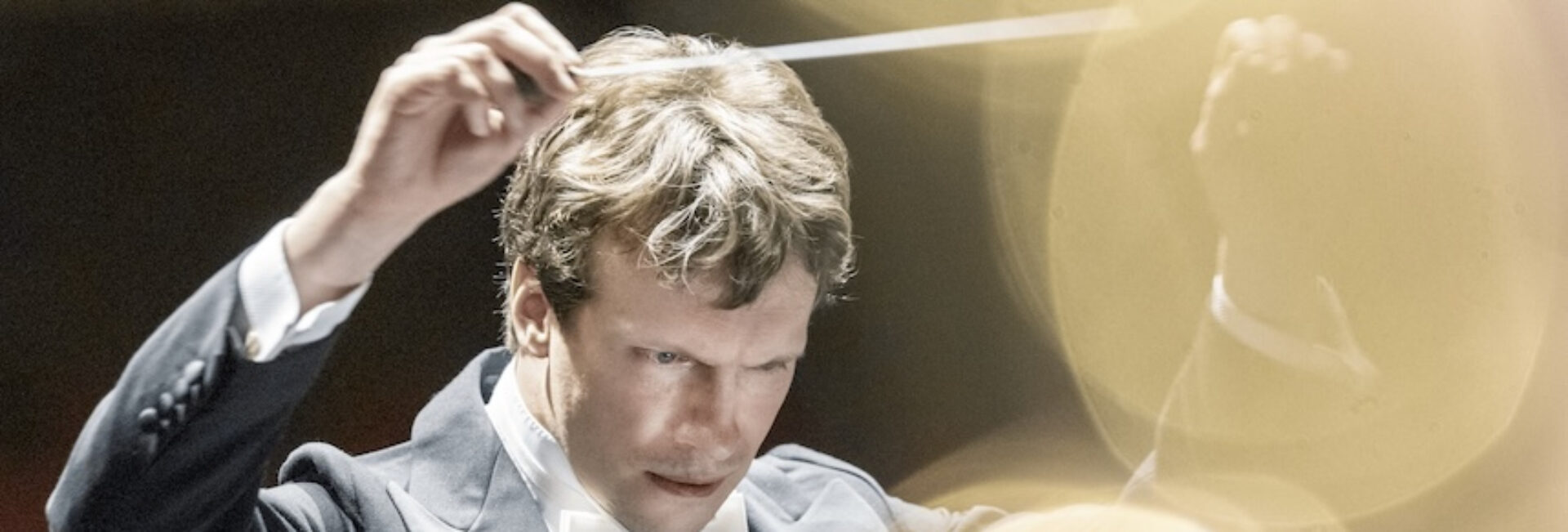
These two composers embodied their artistic eras while also pushing music in genuinely groundbreaking directions.
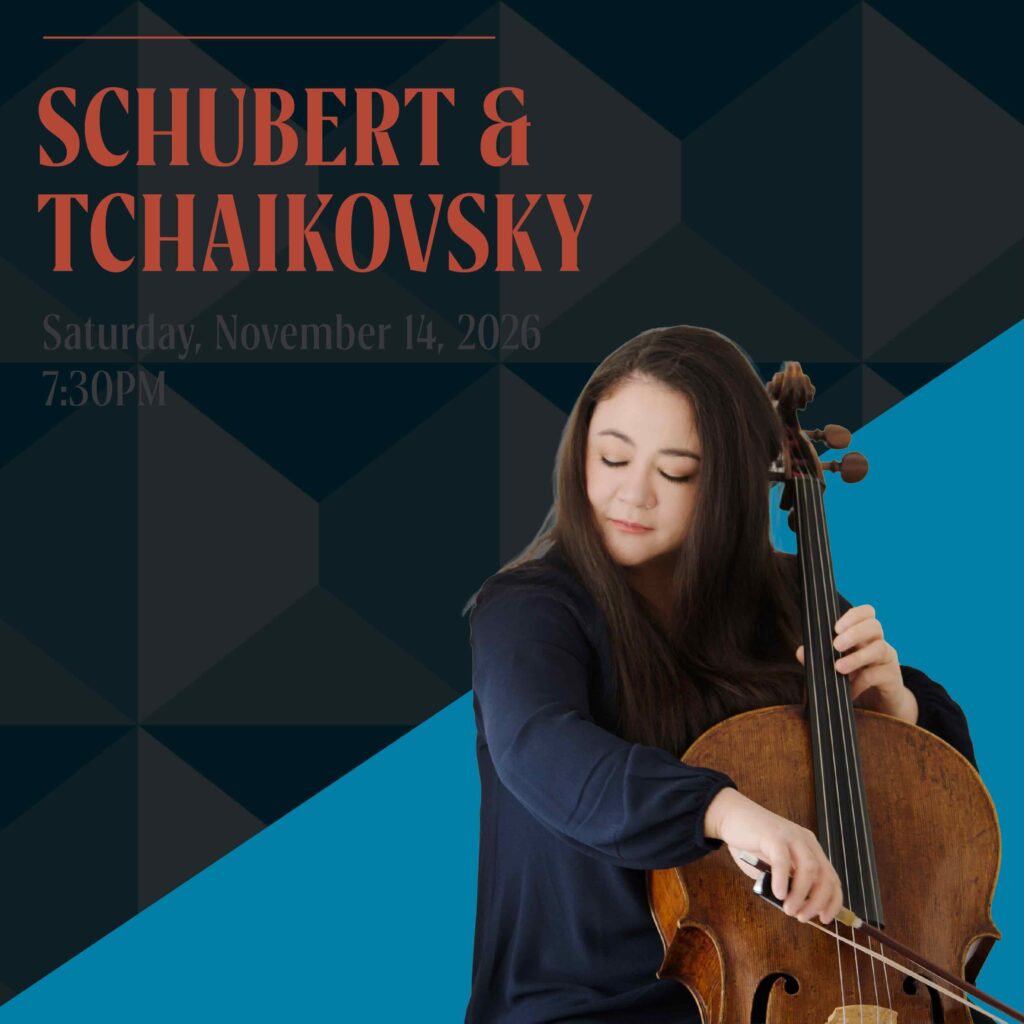
Few composers embody their artistic eras as vividly as Franz Schubert and Pyotr Ilyich Tchaikovsky, while also pushing music in genuinely groundbreaking directions. Both created deeply personal, expressive works that significantly expanded the artistic potential of their respective genres. These iconic composers are highlighted in the Hamilton Phil’s Nov. 14 concert, Schubert & Tchaikovsky with cello soloist Rachel Mercer.
Schubert’s Symphony No. 8, the “Unfinished,” emerged while Beethoven was at the height of his fame and about to compose his now-iconic Ninth Symphony. Beethoven’s recent eighth and sixth symphonies had already expanded the tonal and structural possibilities of the genre, while the seventh celebrated symphonic music with extraordinary flamboyance.
Until then, Schubert had generally avoided monumental symphonic structures, favouring more contained orchestral textures and classical idioms reminiscent of Haydn and Mozart. His Fifth Symphony even omits timpani and clarinets, instruments central to the symphonic palette of the time.
With the “Unfinished,” Schubert took a different path from Beethoven: he wrote a dark, unsettling, and intensely expressive work that anticipated later Romantic composers. Its two completed movements serve as a canvas for moods and characters, suggesting an unspoken inner narrative. In just over 20 minutes, Schubert reimagined the symphony as a highly personal, emotional, and intimate form, not too far off from the other composers on this weekend’s concert program, Antonín Dvořák and Max Bruch.
About 70 years later, Tchaikovsky composed his string sextet, Souvenir de Florence, between his fifth and sixth symphonies and three years before his death. His music reconciles the ballet tradition that surrounded him with the symphonic genre, through colourful melodies and vividly characterized dances. His unmistakable voice also lies in the lyricism of his themes and the emotional intensity of his orchestral writing.
Where Romantic and Classical music was traditionally conceived around four voices, doubled as needed, the sextet’s intrinsic six voices had Tchaikovsky rethink conventional part-writing in order to give every instrument a meaningful role. From that challenge comes a dazzling work combining the elegance and narrative quality of his ballet writing with the ambition and scale of his symphonies, that also sounds fresh and unique to the ears of even the most seasoned audiences.
From its opening bars, the sextet propels us into the action as though we have caught a train already moving, and with its virtuosic and demanding nature, it can almost be heard as a concerto for ensemble. Performed here by the full string section of the Hamilton Philharmonic Orchestra, its impact becomes arguably even more powerful.
Cello soloist Rachel Mercer brings warmth and expressive depth to Max Bruch’s Kol Nidrei. Rooted in an ancient Hebrew melody, the work unfolds with quiet intensity. Rich orchestral colours frame the cello’s voice with tenderness and luminous lyricism.
From there, Mercer returns as soloist for Antonín Dvořák’s Silent Woods, creating a moment of calm and reflection within the program.
On Nov. 14, experience how Schubert & Tchaikovsky broke boundaries while remaining unmistakably themselves.
James S. Kahane is the music director of the Hamilton Phil.
NEED TO KNOW
Hamilton Phil – Schubert & Tchaikovsky
Nov. 14, 7:30 p.m. concert, pre-concert talk 6:30 p.m.
FirstOntario Concert Hall
1 Summers Lane, Hamilton
Tickets are here