





Saving the strays at Ladybird Animal Sanctuary
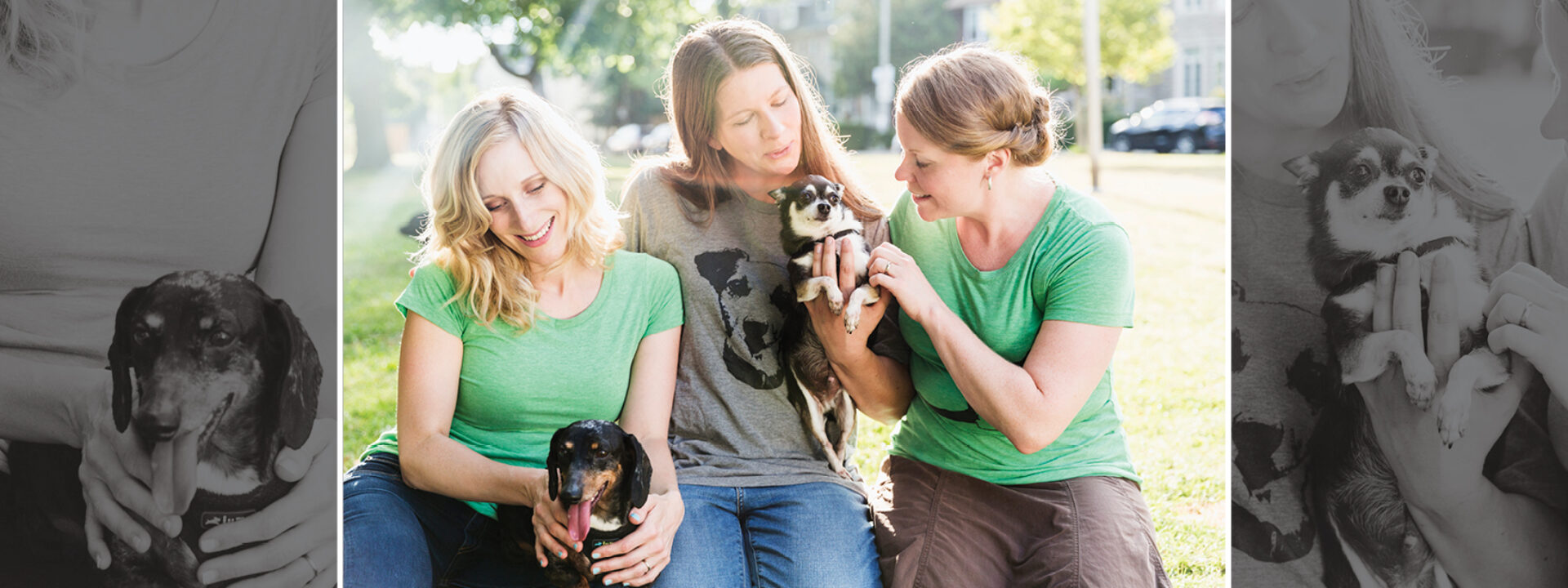
After rescuing nearly 1,900 animals over 16 years, Hamilton-based Ladybird Animal Sanctuary is close to creating a farm that will be a refuge for animals in desperate need. It all started with three friends working together for one unforgettable cat.
Sweet Oliver the cat was the first in 2010 and since then, the success stories for the Hamilton-based Ladybird Animal Sanctuary number close to 1,900.
All those furried and feathered faces peak out from the rescue’s website, each with a tale of past abuse, neglect, or abandonment, along with their health and behaviour challenges, But then comes the story of their second chance, the bravery and resilience of these cats, dogs, birds, bunnies, and rodents, the vets who pitched in, the loving notes from their fosters, and in the vast majority of cases, their adoption.
“Our mandate is to rescue from shelters, from city shelters, because that is the end of the line for these animals. They have no other options after that,” says Ladybird co-founder Lisa Winn, who worked for years in the shelter system.
“We're not bringing in animals from other countries. We're not taking surrenders from people. We're not picking up strays off the street. We're simply rescuing from shelters. That's how we have decided to be of service to these animals, to rescue the animals that are right here in our community that are being surrendered.”
Sometimes that means a dozen guinea pigs are up for adoption. In a pinch, they’ve taken in a tank of fish, a couple of snakes, some lizards and turtles. They’ve rescued goats, pigs, and chickens, along with hundreds of cats and dogs.
But the whole thing started with a loving but ailing black and white cat named Oliver who was found as a stray and living at the Oakville Humane Society. Oliver gave snuggles, face rubs, and hugs to anyone who would spend time with him. But his diagnosis of feline leukemia had landed him on the euthanasia list.
Winn was in love with Oliver, but feline leukemia can be contagious to other cats, and she already had her own cats at home. She solicited friends and family, but there were no takers.
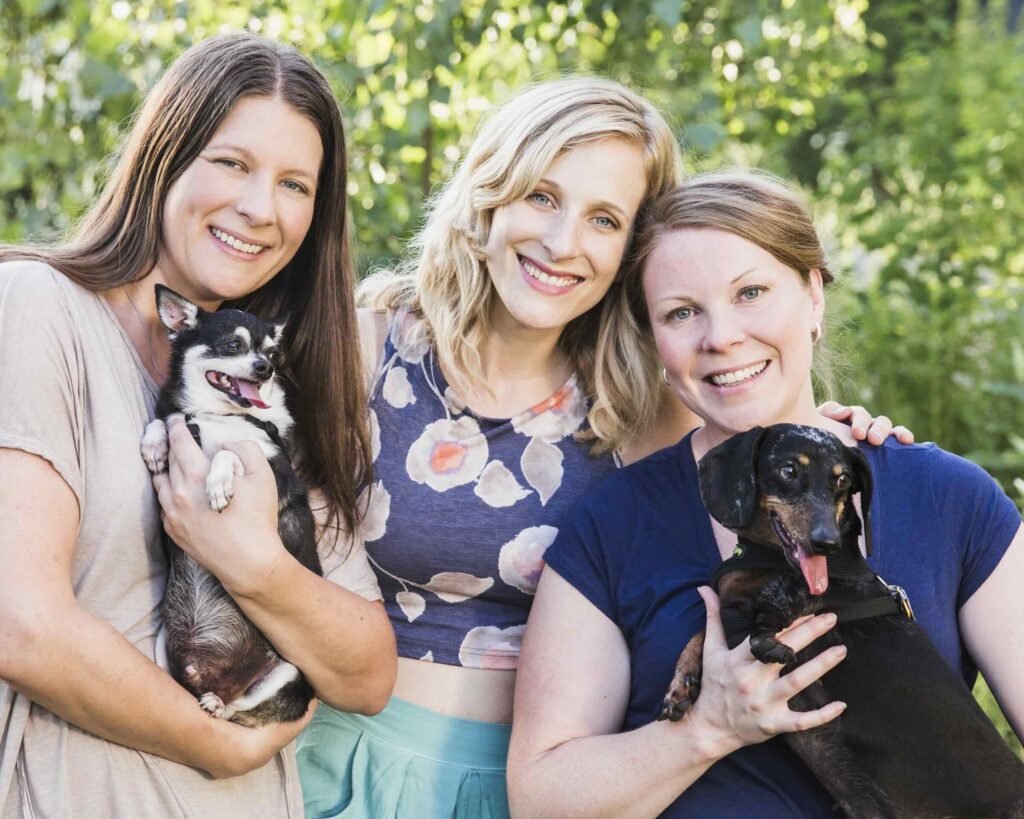
She turned to good friends Melissa McClelland and Janine Stoll over a bottle of wine.
“One day, we were sitting out on Melissa's back deck and Lisa was telling us all about the plight of all these animals that were being euthanized needlessly at animal control because they didn't have a proper adoption program for them,” recalls Stoll.
“They were just culling all these animals that they didn't have room for and there was one in particular that Lisa was quite heartbroken about because it was a very sweet cat that was otherwise adoptable, and she said, well, maybe there's something that we can do.”
The problem was that only bona fide rescues could take animals out of animal services. So the trio decided to start their own rescue group. They did a fundraising concert and raised about $2,000 to get off the ground. They registered as a charity and Ladybird Animal Sanctuary was born.
Sixteen years later, and those nearly 1,900 souls later, the three friends are working to make the sanctuary in their name a physical reality.
Oliver, by the way, the cat who gave hugs, lived a long and happy life in his adopted home until his passing last year.
Built on friendship
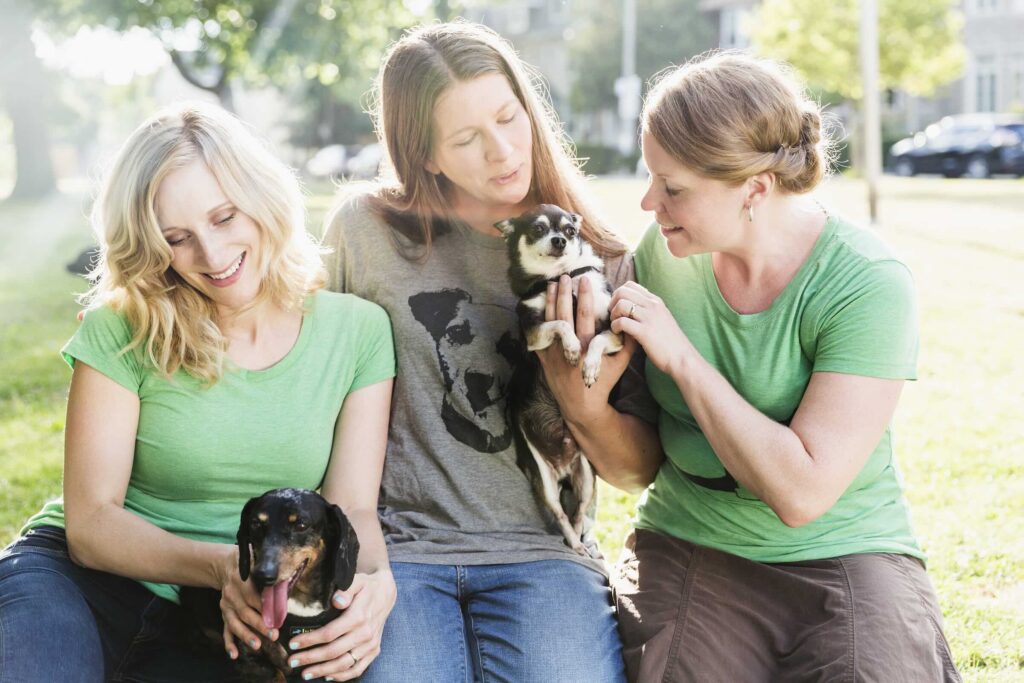
McClelland and Winn met “a million years ago, approximately” at an open mic night at the original La Luna on King Street West.
“I was 16 years old, and my parents would drive me there every Monday, and I'd play my new songs every week, and that's where I met Lisa, and then I met Janine at an open mic night in Toronto when we were 19,” says McClelland, who grew up in Burlington and has built a music career alongside her husband Luke Doucet as the band Whitehorse. The two of them also form Sarah McLachlan’s touring band.
The three bonded over music and formed a quartet called Ladybird Sideshow Project (with Erin Smith) that toured Canada. Stoll and McClelland were working as receptionists at the same magazine in Toronto.
“During our lunch hour, we'd go sit in the park and play music and scheme and come up with a plan, and we ended up planning a tour from Toronto to the East Coast, and that was my first time ever going out on the road as a musician,” McClelland says.
“We booked any club that would take us, and slept on couches, and drove a van to the East Coast, and had a blast together, and became best friends, and the rest is history.”
After touring, each Ladybird did some solo work, but remained close friends.
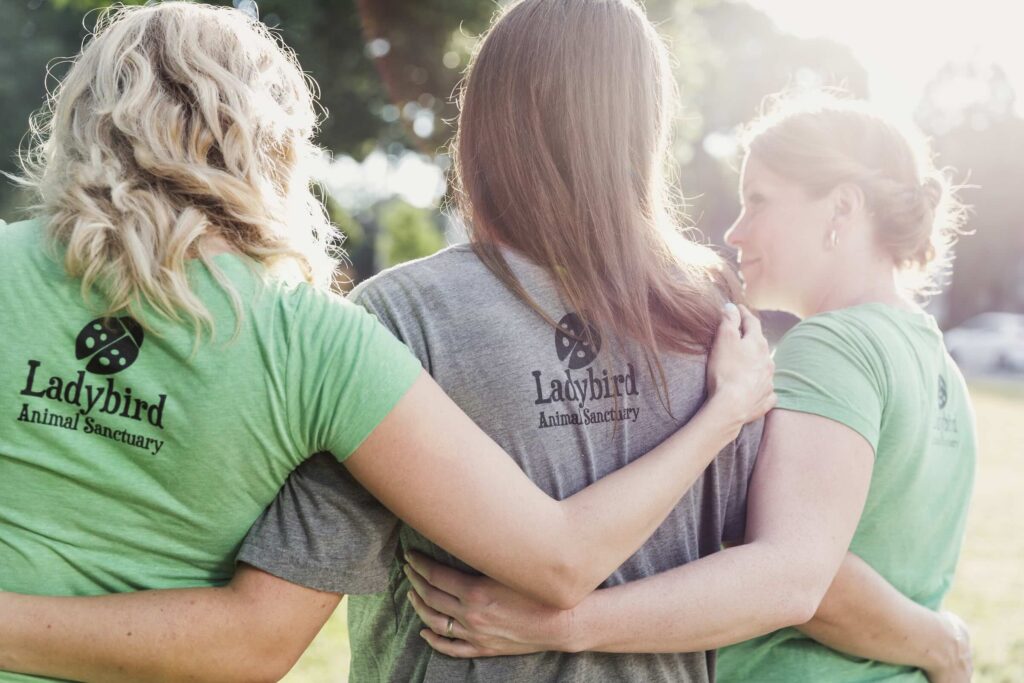
When they formed their animal rescue, the friends found that just like they had when singing three-part harmony, they worked together in tune, too, with each performing a specific part.
Stoll has web development and marketing and design experience. She handles the financial stuff, too. McClelland is well-connected and suited to fundraising and event planning. Winn is the “animal whisperer” who manages the fostering and animal care. She liaises with the shelters, and creates the animal profiles that introduce them to potential adopters.
All three play a role in managing the insatiable beast that is social media.
The secret sauce of how this all works, they say, is in staying in their own lane and trusting the others to do their best in theirs.
Faces of Ladybird
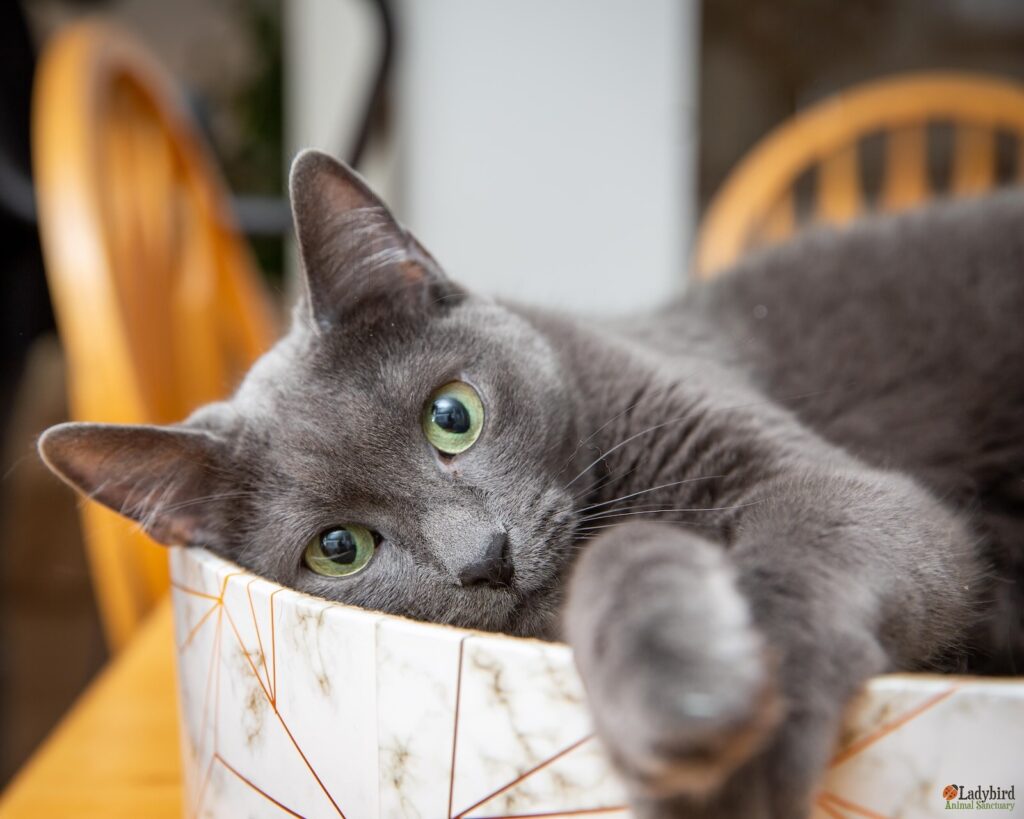
Gracie 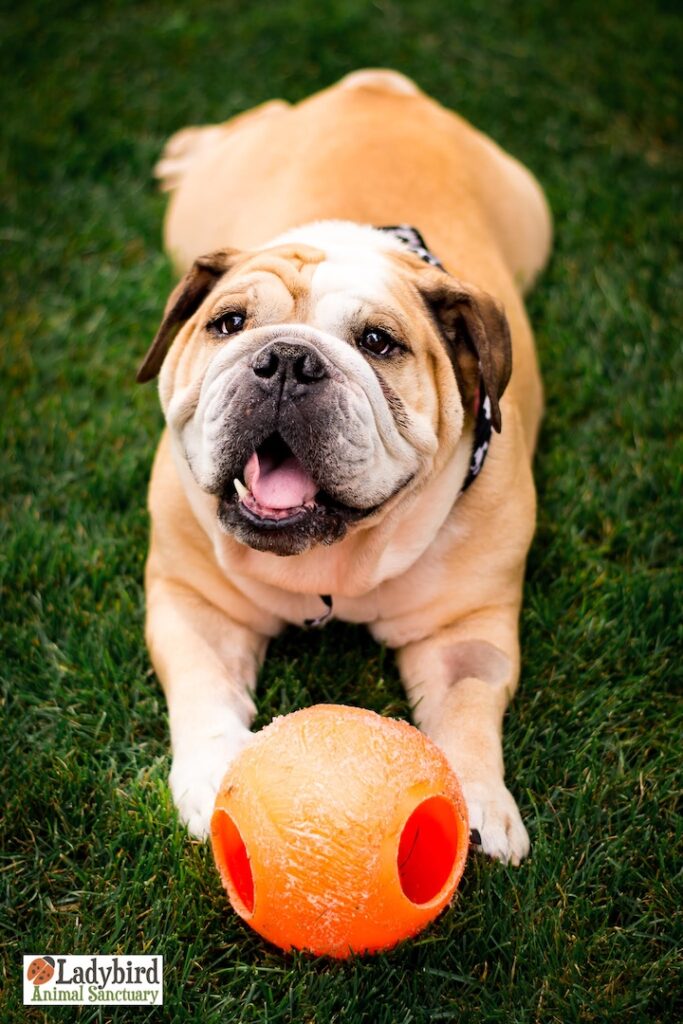
Donny Calzone 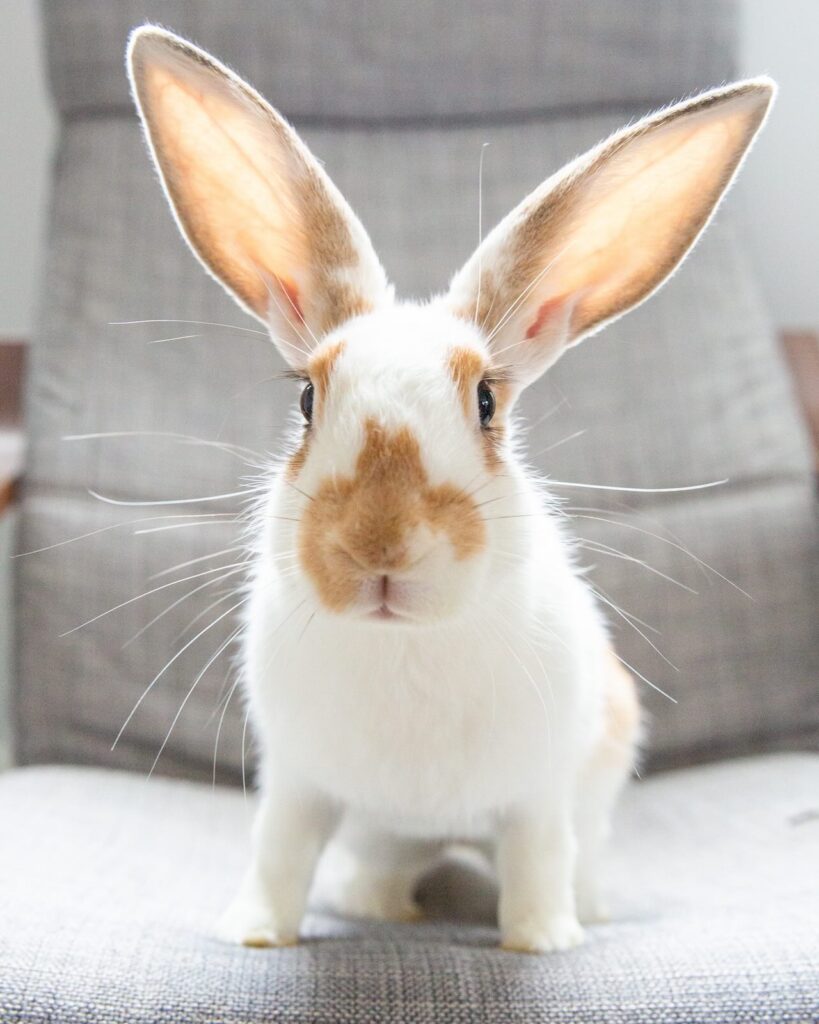
Caramel 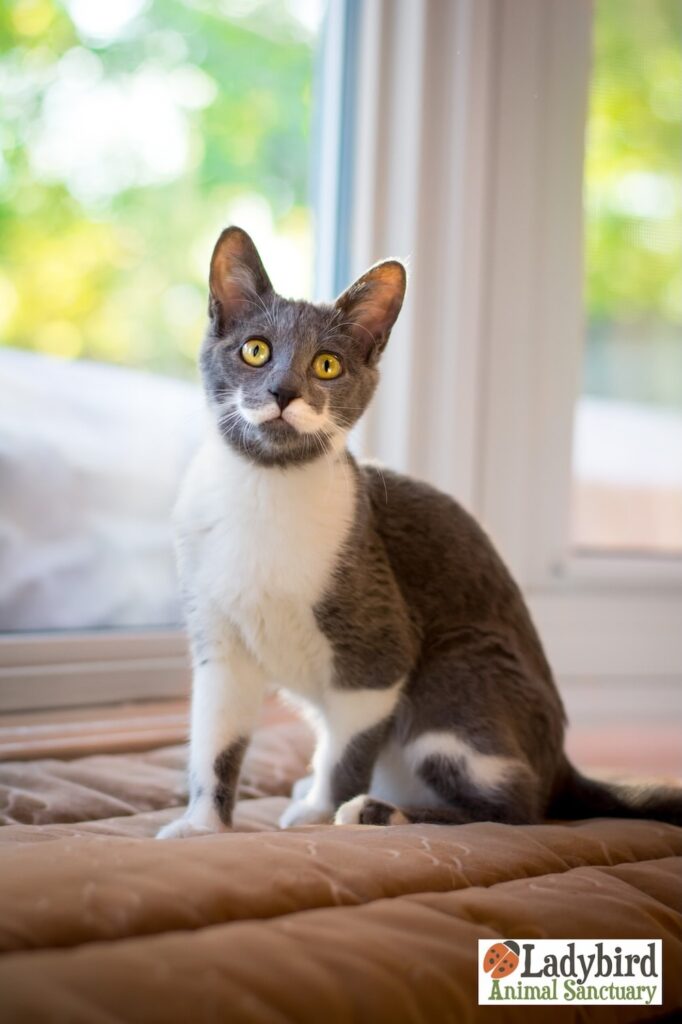
Mouse 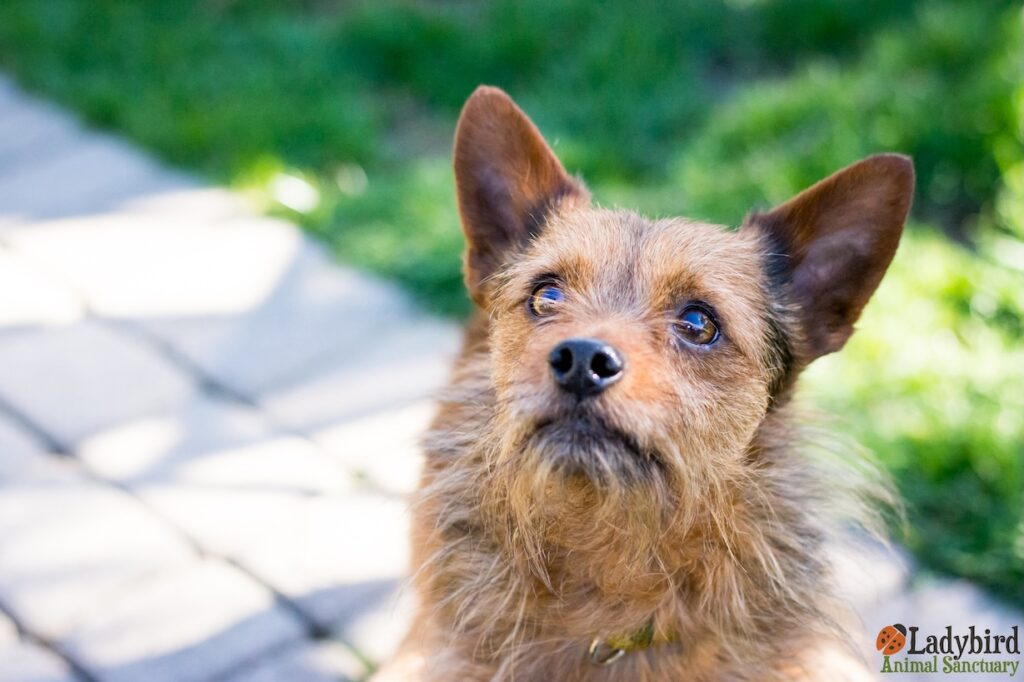
Snickers 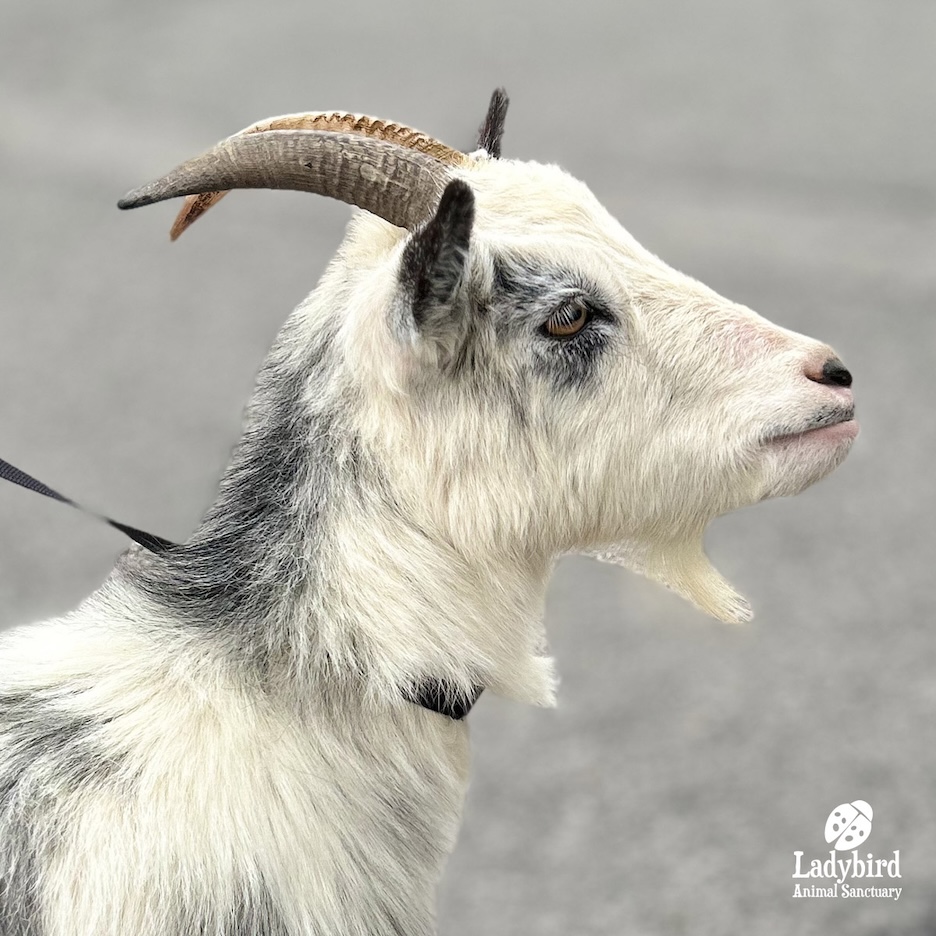
Rita 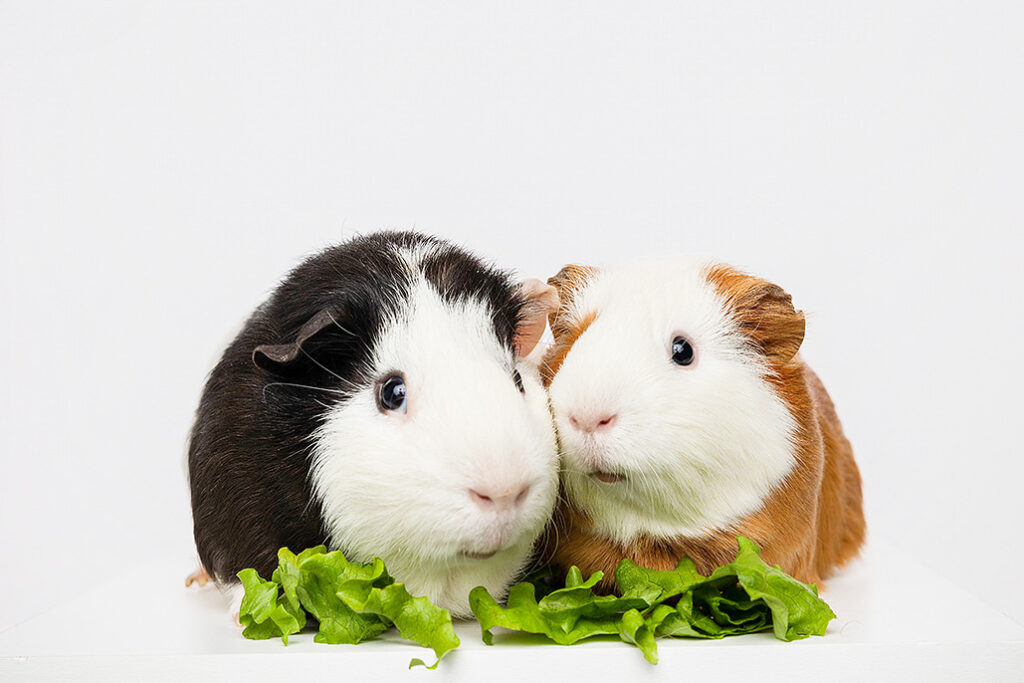
Pedro & Sarsaparilla 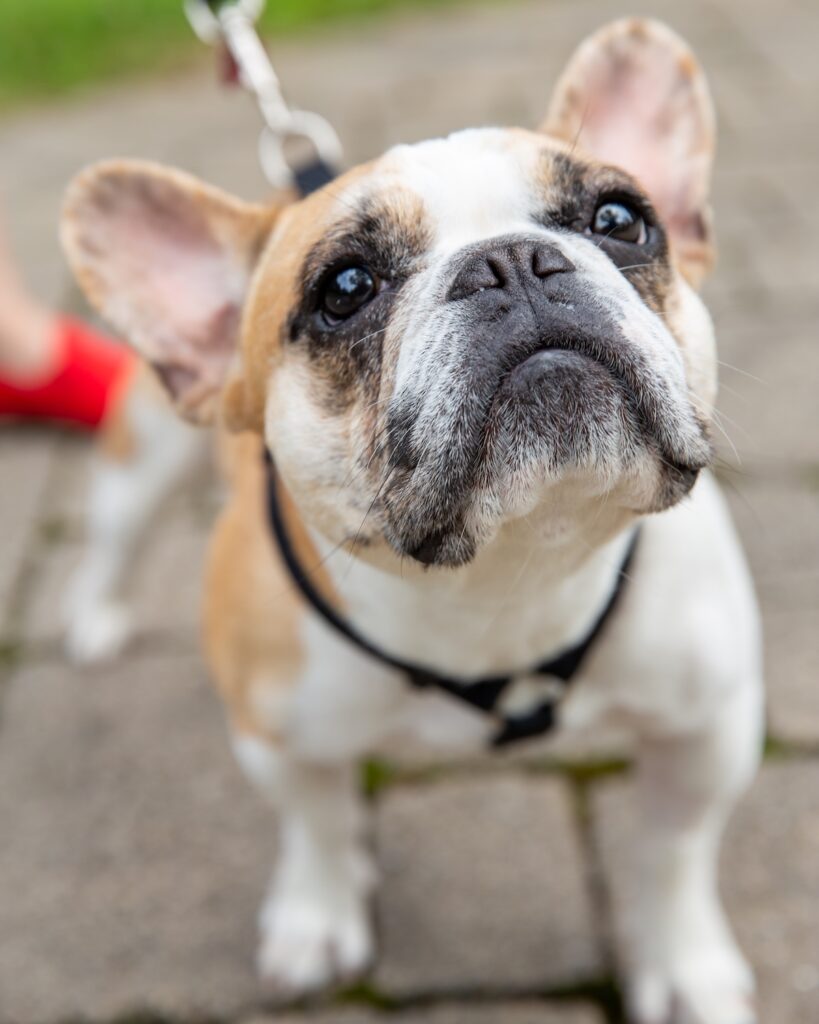
Willow
Giving animals time and space
As their charity has grown, the friends have brought many others into the trusted fold.
Ladybird averages about 30 active foster homes at any one time, and a database of 80 or so that have helped over the years. Some only want senior dogs or cats, others like working with kittens, and still others are geared to small animals such as hamsters and guinea pigs.
There are some fosters who are open to any animal in need.
“We love our foster homes, they're just amazing. There's a couple that have been with us almost since the very beginning, and to look back on it and think about all the animals they’ve fostered…” says Winn.
“It’s amazing that people are willing to open their homes to animals that they've never met before.”
Ladybird covers all costs for food, vet care and medicine, and actively promotes all the animals that are available for adoption.
“The only thing that we expect of the fosters is love and time, and maybe the occasional drive to the vet.”
Nadia Hornsveld has cared for 32 cats since she started fostering for Ladybird in 2017. The majority have been on the euthanasia list for medical or behavioural issues and all but one – a cat that died in her care – were adopted.
Stanley, the cat she’s caring for when we talk, was found with his deceased owner and ate plastics to try to stay alive. He was terrified in the shelter and also not social enough to be adopted. Fostering is about time and space, says Hornsveld.
“It’s just giving them a place to chill and decompress. And then they just eventually realize that people are cool,” she says.
“I've had cats where it takes them a month to come and even want to be near me.”
Hornsveld says there is great satisfaction in helping a cat come out of its shell. She describes it as an a-ha moment when an anxious cat wants to snuggle for the first time. Fostering is also a way to get cat cuddles without the high costs of having a pet.
She says Winn convinced her to take a couple of kittens when Hornsveld, who is a beekeeper, went to check on bees getting into Winn’s house. She initially said her work hours made fostering impossible, but Winn was persuasive.
“Lisa has two full rooms dedicated to animals. Every time there's a guinea pig that comes up, it's at Lisa's house. Lisa has all the animals. So it's really hard to say no when she's doing so much. She’s not asking any more than what she's doing.”
A promise to animals
From the beginning, a farm was part of the long-term vision. The friends dreamed about living out their senior years like the Golden Girls at a sanctuary, singing, laughing, rescuing animals, and building a community.
Actually, the last part is already in place. There is a large team of supporters, fosters, vets, and a board of directors who contribute to Ladybird.
Among the success stories of animals who seemed too sick or too troubled to find a home is Lucy the cat, who was found as a skin-and-bones stray and was too weak to feed herself, even as she was nursing kittens. She lived out her life as a chubby, shiny cat in a loving home. Mitsu the shih tzu was deaf, blind and senile. She was found as a stray in horrifying condition.
“That last year of her life she experienced so much love and comfort and safety and care, and you know, I just feel like it was so worth it, and every single Ladybird rescue has a story like that, and it just, it brings us so much joy to know that these animals are able to experience what that's like,” says McClelland, who cared for Mitsu.
The founding principle of Ladybird is that every life, whether it’s a guinea pig, goat, pig, duck, chicken or bunny, is worthy of respect, love, and care. Ladybird has rescued budgies, ferrets, rats, hamsters, degus, and hedgehogs.
The animals’ stories document what they’ve been through, the challenges they face, but also the potential they offer as a wonderful companion if they get the second chance they deserve.
“I just feel like it's important to tell their story because they can't tell us,” says Winn.
“Every animal that comes into our care has been let down by someone, or more than one someone,” says Winn, whether that’s abuse, neglect or abandonment.
“When we rescue, it's almost like a little promise to that animal. When we take them in and we fix them up and do what needs to be done, and then they get adopted, we are promising them that they’ll never feel like that again.”
It has been a dire time for shelters and rescues. Pets acquired during the pandemic have been dropped off in record numbers by those who weren’t properly prepared to care for an animal. And a faltering economy always means more surrendered pets and slower adoptions.
“There's a dog crisis happening everywhere, not just in Canada, but the States, too, and it's just crazy, because everybody wanted to get a dog during COVID, and now they're dumping them en masse,” says Winn.
“And everybody wanted to breed, because they realized they could make money during COVID, because there was a lack of dogs. And now all those breeders are dumping entire litters because they can't sell them.”
More faces of Ladybird
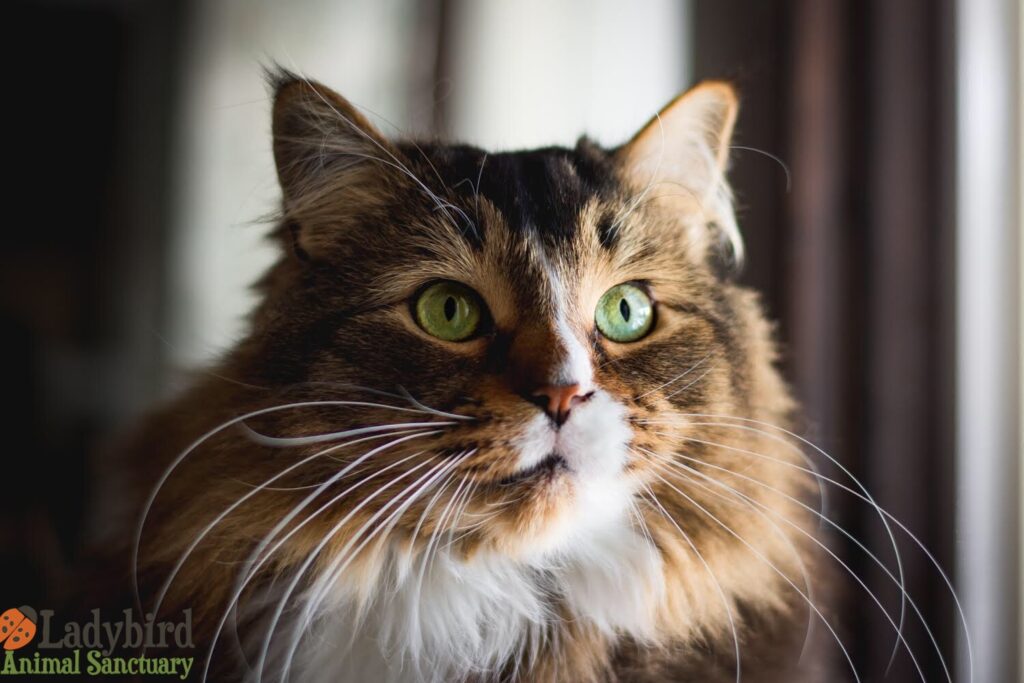
Milo 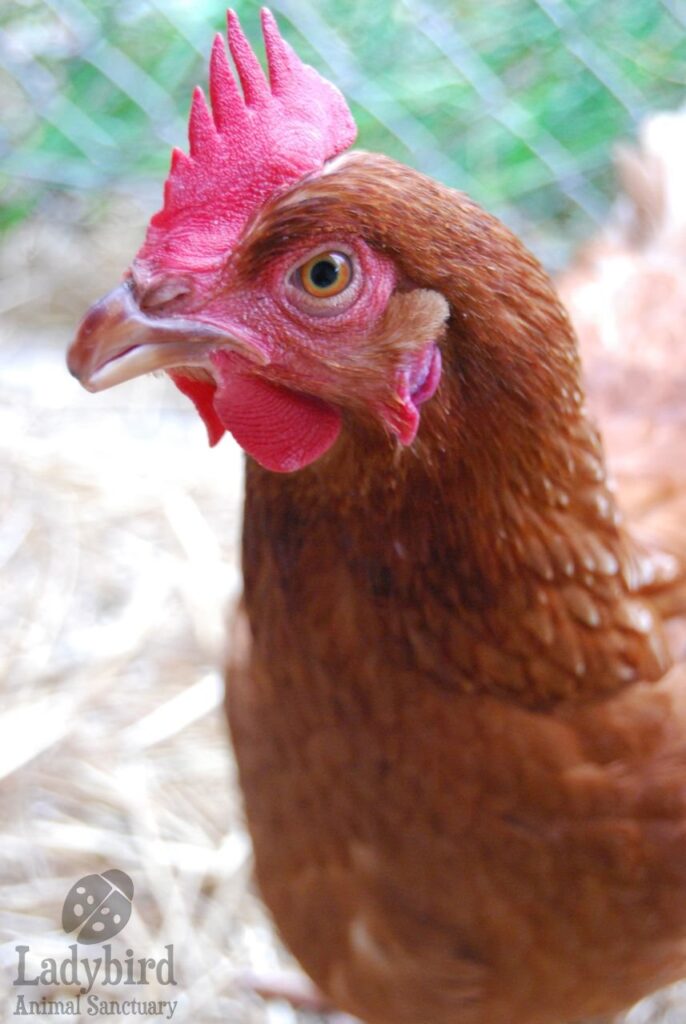
Claudette 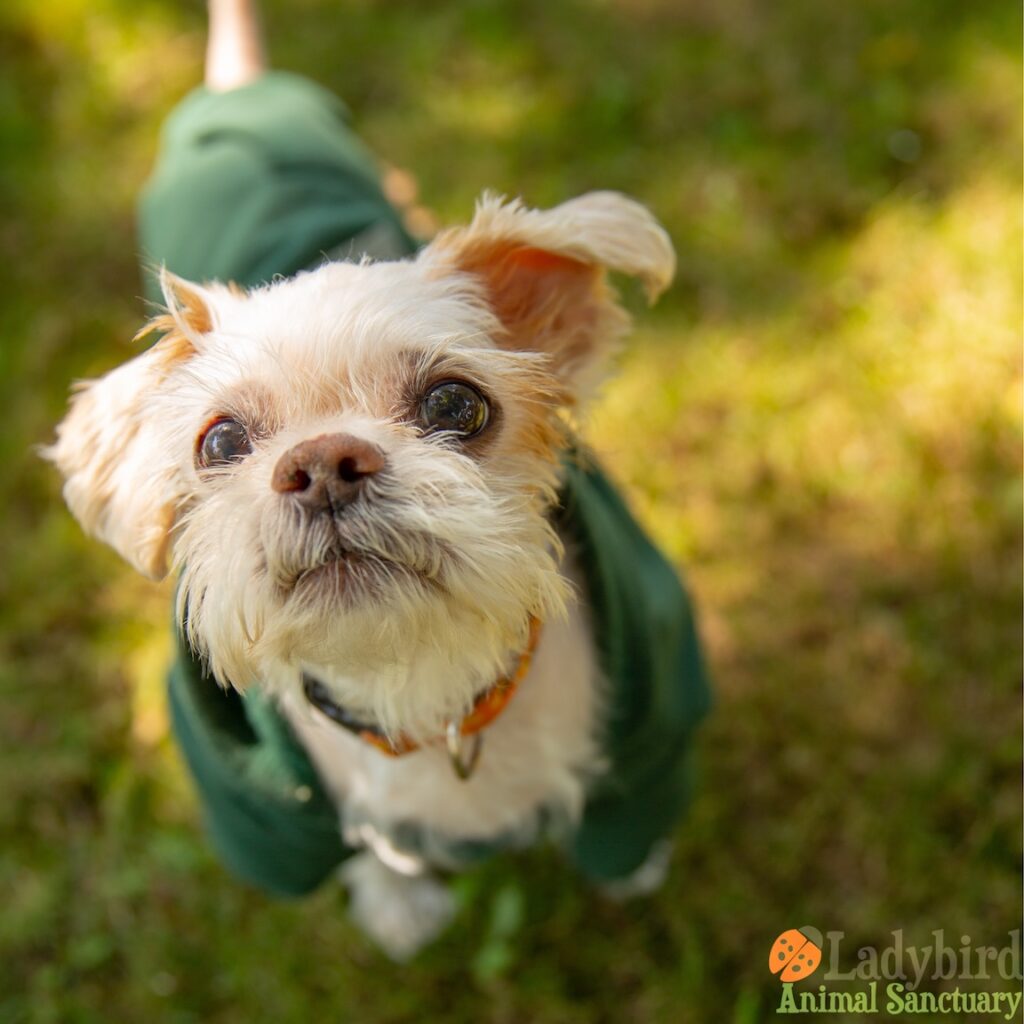
Posty 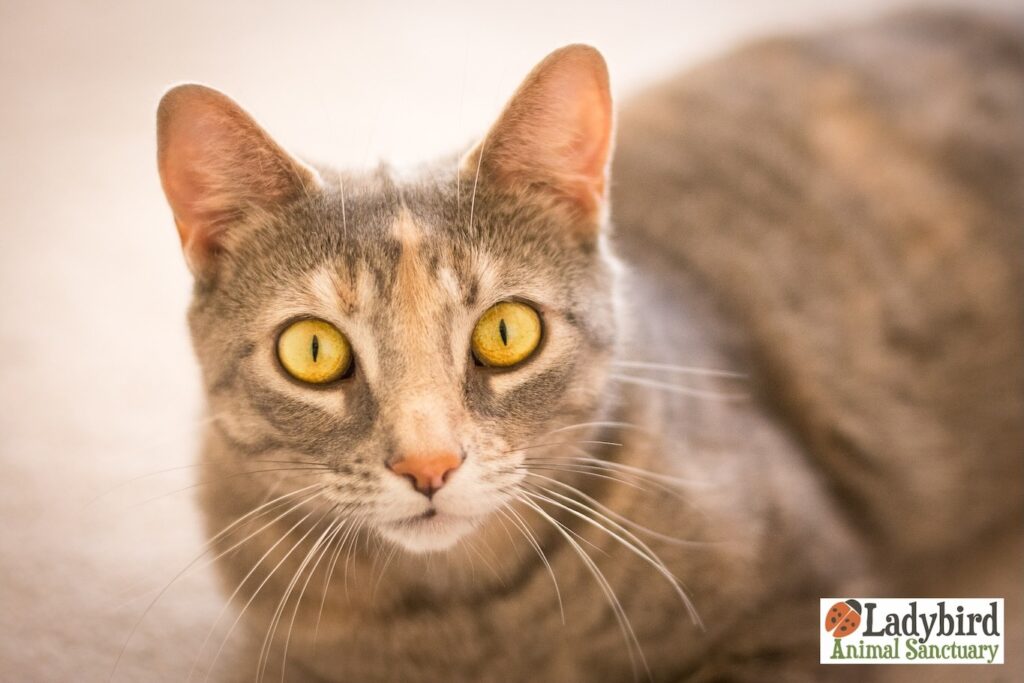
Juniper 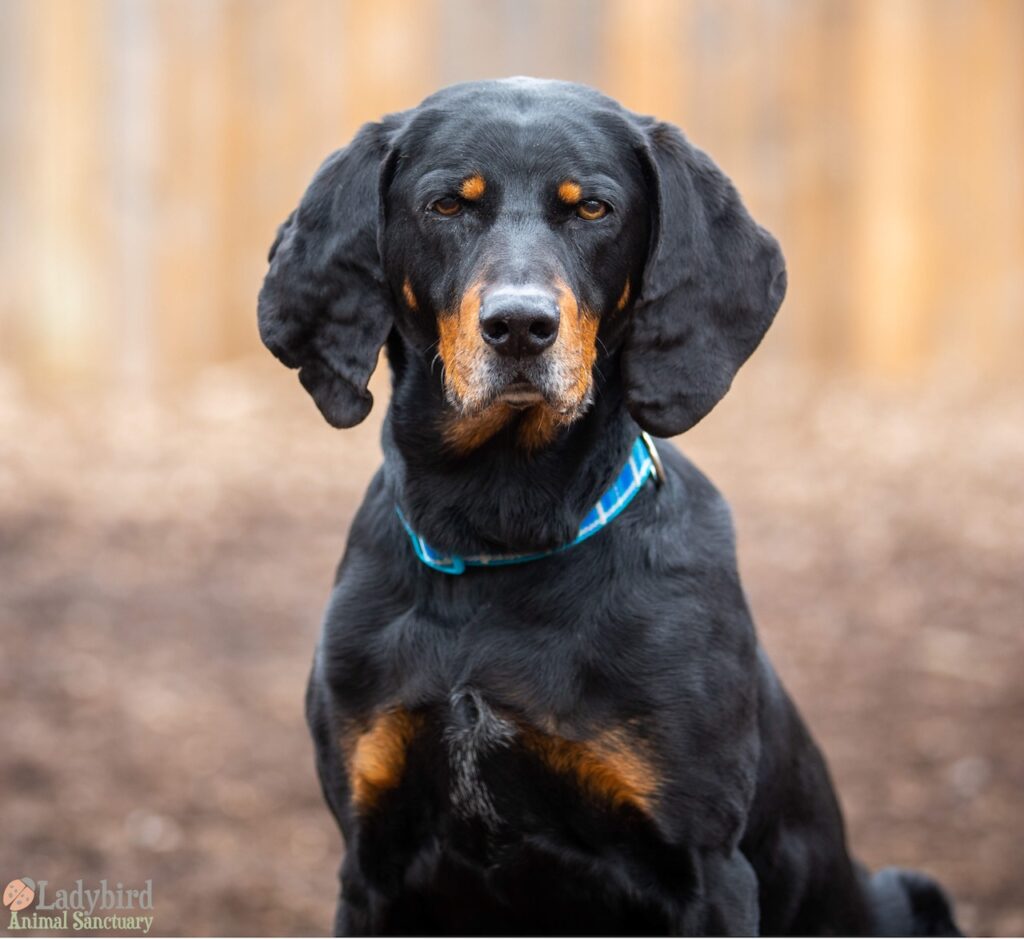
Sophie 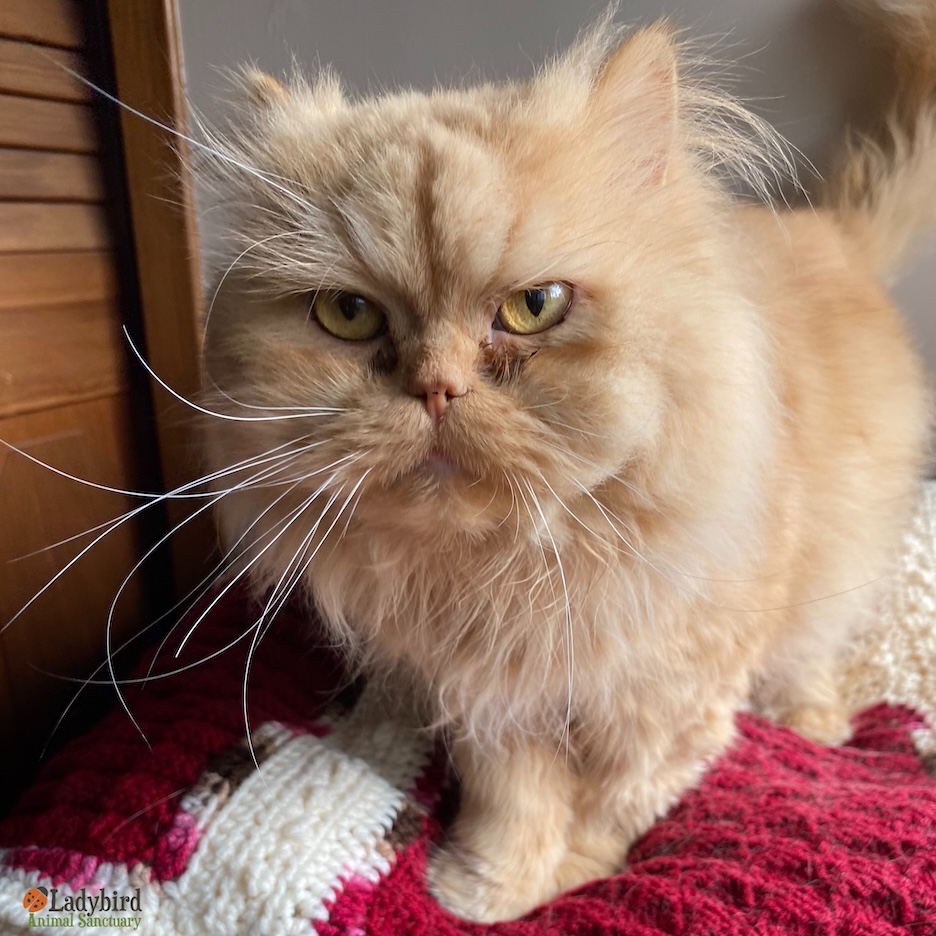
Colonel Butternubs 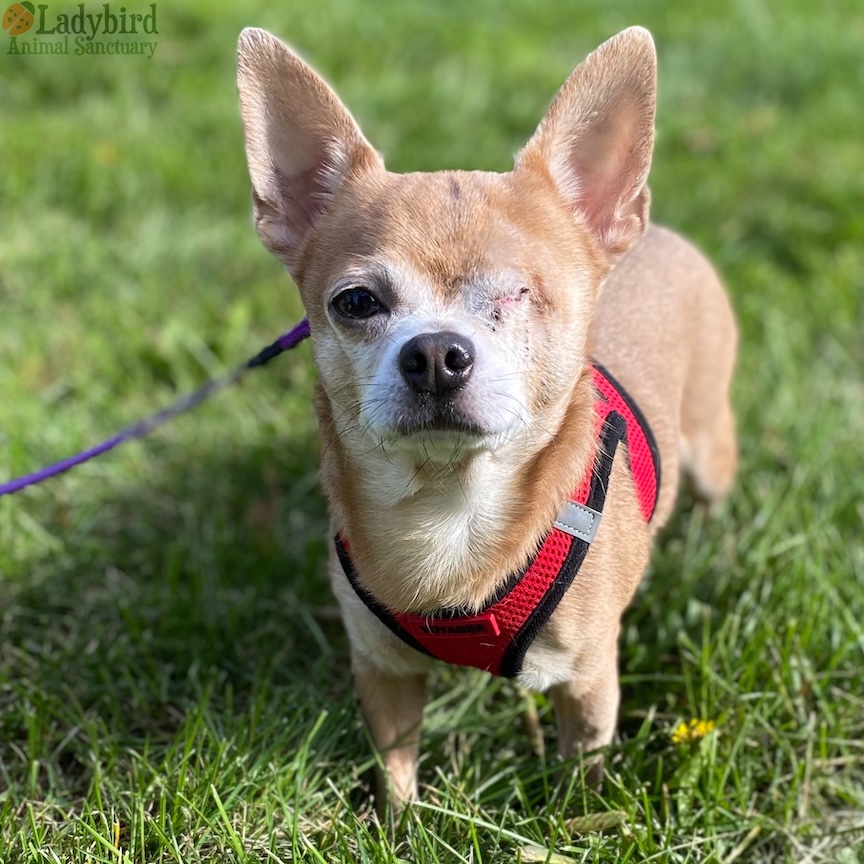
Dre 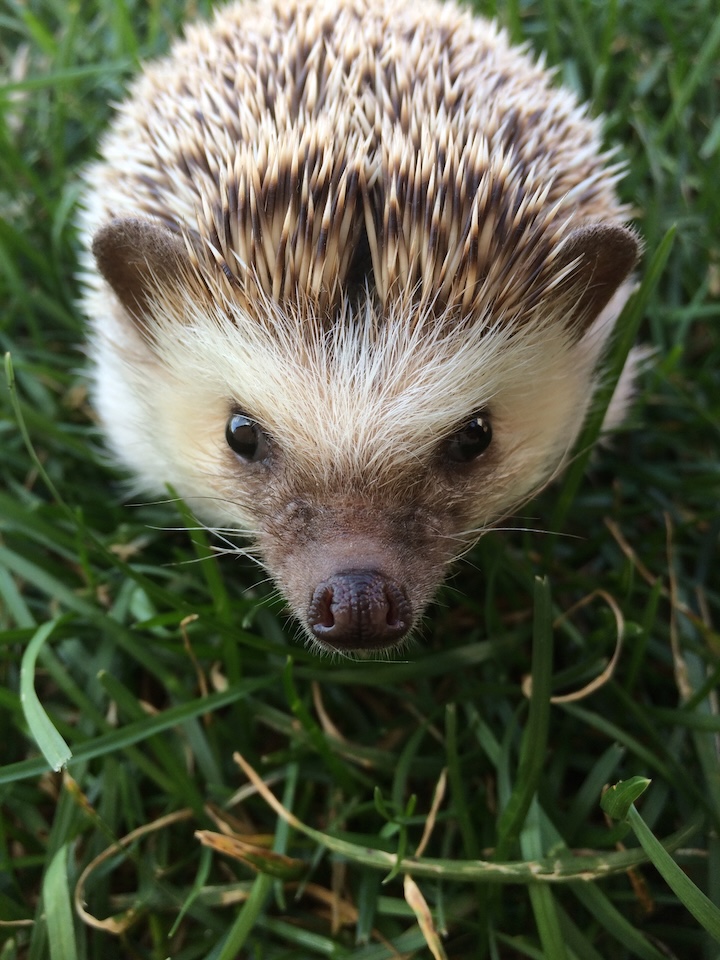
Shumi
Building towards a dream
Ladybird rescues mostly from Hamilton, but also Halton, Niagara, the GTA, Kitchener-Waterloo, Cambridge, and Quebec.
They take in the difficult cases: the seniors, the tough medical cases, the traumatized, the animals that have little or no chance of being adopted.
“The shelters know that the worse off the animal is, the quicker they call me to come and get it,” says Winn.
It means Ladybird frequently has animals in foster homes for a long time and can rack up high bills for treatment and rehab.
From Day 1, the trio says they dreamed of a physical space for Ladybird. But they were never in a rush.
“It's a huge undertaking to open a sanctuary, and we have been learning along the way. At every turn, here's a new learning curve,” says McClelland. “And so it's been good that we've had these years to really cultivate our charity, and figure out what works, what doesn't work, and to be really clear on our mandate and our vision and our values as a team.”
They concentrated on building their networks of fosters and donors, and focused on earning a reputation as a well-run and credible rescue. They kept coming back to the need for a sanctuary.
The "Help Build The Farm" campaign officially kicked off with a virtual concert in December 2020 that featured Bryan Adams, Sarah McLachlan, Jim Cuddy, Barenaked Ladies' Ed Robertson, Jann Arden, Joel Plaskett, Whitehorse, Sloan's Chris Murphy, and Terra Lightfoot.
And now, that dream is near to reality. Ladybird has just concluded a large fundraising campaign backed by an angel donor, and they are hunting to find the perfect property. They are looking for about 20 acres within a 45-minute drive of Hamilton, ideally with a mix of cleared acreage and forest, and a residence and barn in decent shape.
“We need a municipality, too, that's sympathetic to the vision, that understands what we want to do, that will help us, rather than put up a lot of red tape for the types of programs that we want to run on site,” says Stoll.
The Ladybirds have done their research. They’ve attended conferences, tours, and workshops, shadowed other sanctuaries, and sought out hands-on experience wherever they can find it.
“It’s so that we know what we're getting into, because I think that's a major pitfall,” says Stoll. “A lot of people love the idea of rescuing animals and helping animals, and maybe living on a rural property, but there's so many pieces involved, and if you're not taking care of all those pieces, the bottom can fall out really quickly.”
First and foremost is having the money to keep doing the work.
In their sanctuary, they see a home for farm animals, a hospice for animals of all sizes at the end of their lives, along with adoption events and fundraisers.
There will always be a need for fosters because many animals need one-on-one care in a private home.
“Since we're all artists, we'd love to see some cool art installations on site, and music will always be a part of the sanctuary,” says Stoll.
The friends joke (half-joke?) about their enduring Golden Girl dreams, complete with moomoos, slippers, and cheesecake.
From the early days, they came up with the tagline, “Look what love can do.”
That has certainly been the story so far and will undoubtedly guide the verses yet to be written.
Angel donors arrive
Michael and Carol Desnoyers have always been dog lovers. The Ancaster couple has always had one or two dogs throughout their 47-year marriage, and many have been rescues. Carol works with Animal Justice Canada to advocate for animal rights and animal welfare laws.
They knew of Ladybird and Desnoyers’ brother even adopted a dog named Monty from them who was found wandering in Gage Park.
Like many thousands of animal lovers, the Desnoyers were caught up in the story of golden retrievers Bunny and Brie.
They were found running down the street in Waterdown on New Year’s Day 2024. The pair, believed to be mother and daughter, were painfully thin, had matted coats, infections, and dental issues, and had obviously been used for breeding. They were taken in by animal services and from there, found their way to Ladybird, which paid for their spaying and dental surgeries.
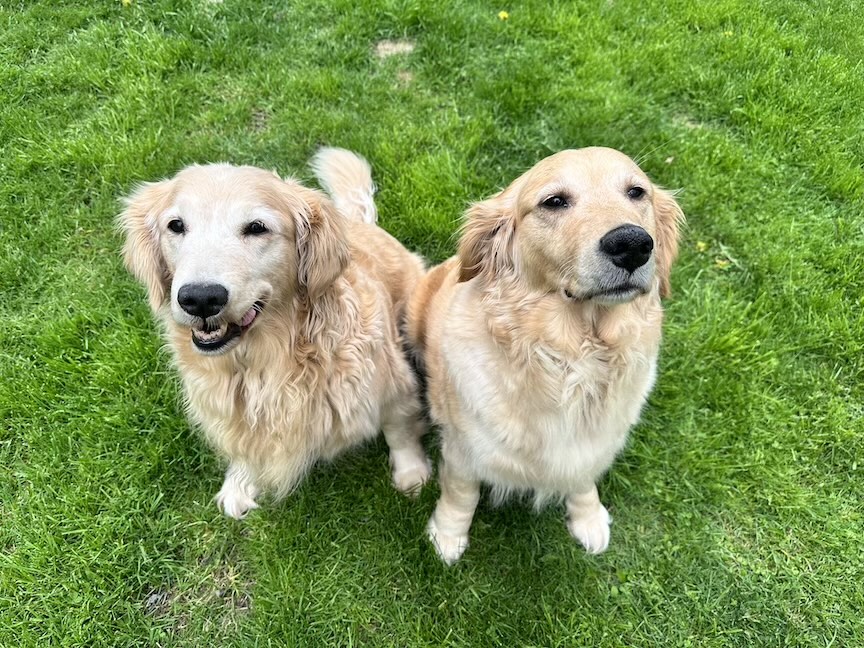
Bunny was diagnosed with Lyme disease and Brie was found to have osteochondromatosis, a rare and progressive bone disorder. But treatment for her persistent urinary infections led to the discovery of a large, inoperable cancerous tumour next to her bladder.
“Their loyalty to one another was immediate and unmistakable, offering each other comfort and security in unfamiliar surroundings,” Winn wrote in their profiles. Ladybird put them up for adoption as a bonded pair but didn’t get any suitable applicants.
Despite all they’ve been through, “their sweet dispositions and deep connection never wavered.”
The Desnoyers reached out after following Bunny and Brie’s story on social media and offered to pay for their care for the rest of their lives. With that, Bunny and Brie became permanent residents of Ladybird, joining Rita the goat and Norman the cat.
“If we didn't have two dogs at the time, we probably would have taken them ourselves,” says Michael. The couple lost one of those dogs this winter and the other is 15.
”And I can almost guarantee you we will get another dog or other dogs, and they will be the ones that nobody else wants. The older dogs.”
The more the Desnoyers got to know Ladybird, the more impressed they were by the “sheer willpower” driving the work.
“When you know the whole story from inception to where they're at today and what their vision is for the future, and if you're an animal lover, how can you not be inspired by that?” says Michael Desnoyers.
The couple was watching the rescue’s capital fundraising efforts and decided they could help to really move the needle. The Desnoyers offered to match donations, up to $200,000.
“I can't say enough about all of the people that have come to the table to help them out. I couldn't be happier for them,” says Michael.
McClelland says having champions like the Desnoyers has been a gamechanger.
“We reached [the matching] goal in an astonishing amount of time, which was just so incredible to see our community come together and be inspired by this opportunity, and give what they could. People gave huge amounts, and people gave small amounts, and everything in between, and it all contributed to us reaching this monetary goal, and really pushing us that much closer to us ultimately getting the farm and opening our Ladybird Animal Sanctuary headquarters.”
I ask the friends if they ever reflect on that first conversation that led to finding a place for Oliver.
“All the time,” says Winn. “We look at each other all the time, and say, ‘How did this happen? This is crazy.’ What a privilege to get to do this, especially to do this with your best friends. We consider ourselves very fortunate, because it's just great work.”
It’s been serendipitous how it’s all come together and how well the trio works together, says McClelland.
“There's so much love and respect and laughter and joy, and I think you know, aside from the actual work that we're doing, or the animals that are being saved, we do always step back and just acknowledge this bond that's been created between the three of us over these years, and you know, it's really a lifelong bond and friendship, and we get to live it out in this really beautiful, inspiring way.”
More faces of Ladybird
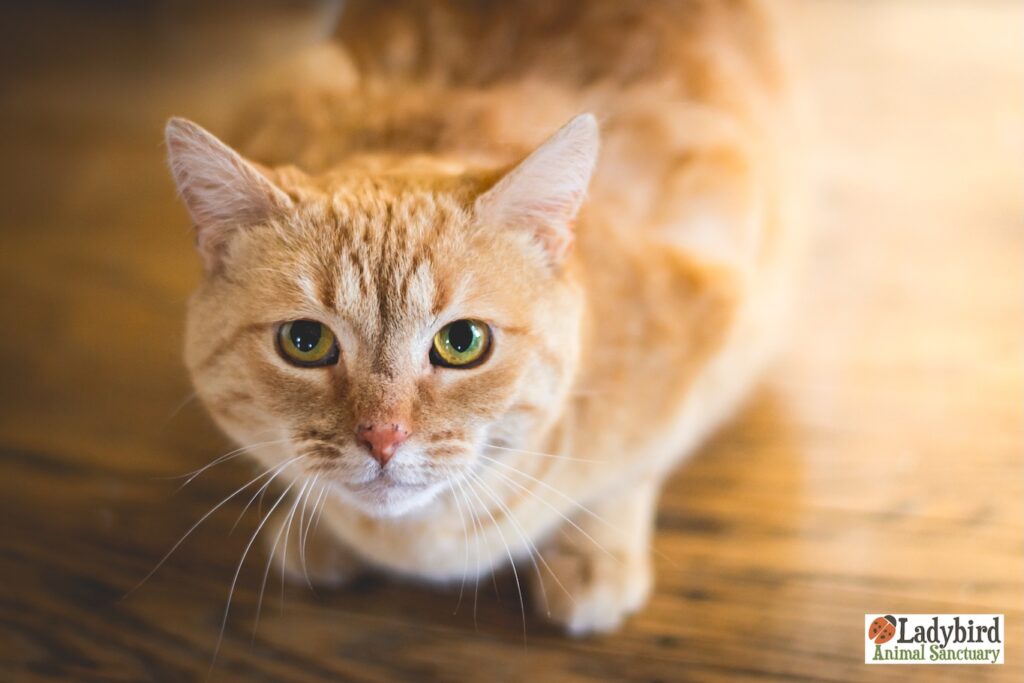
George 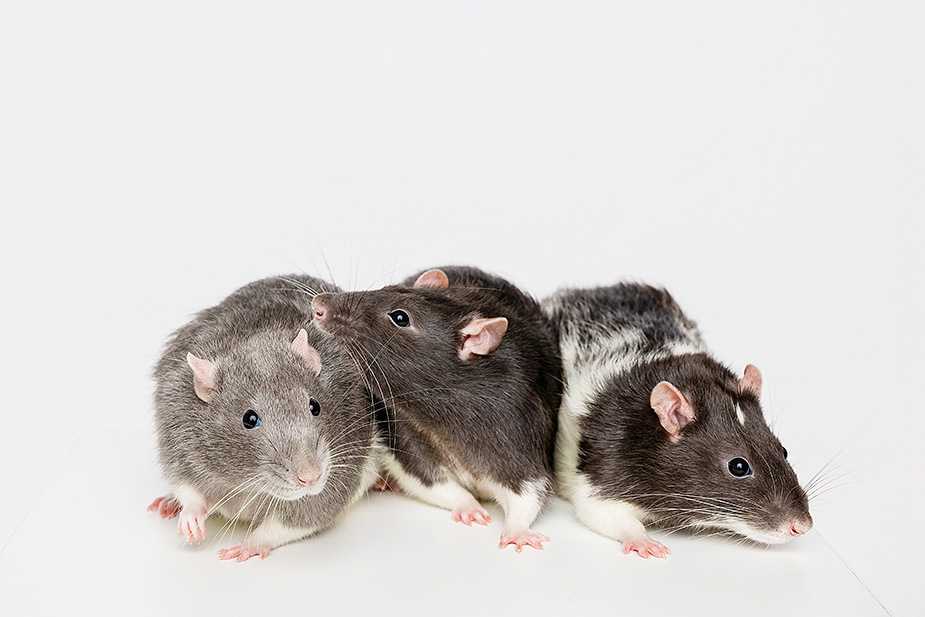
Molson, Moosehead and Milwaukee 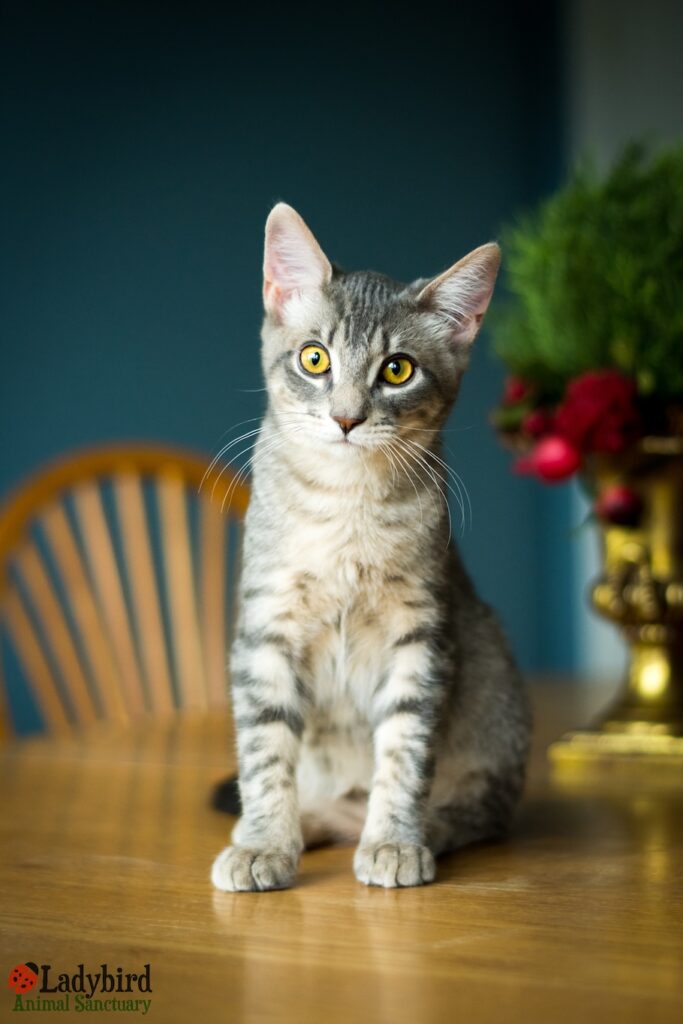
Dusty 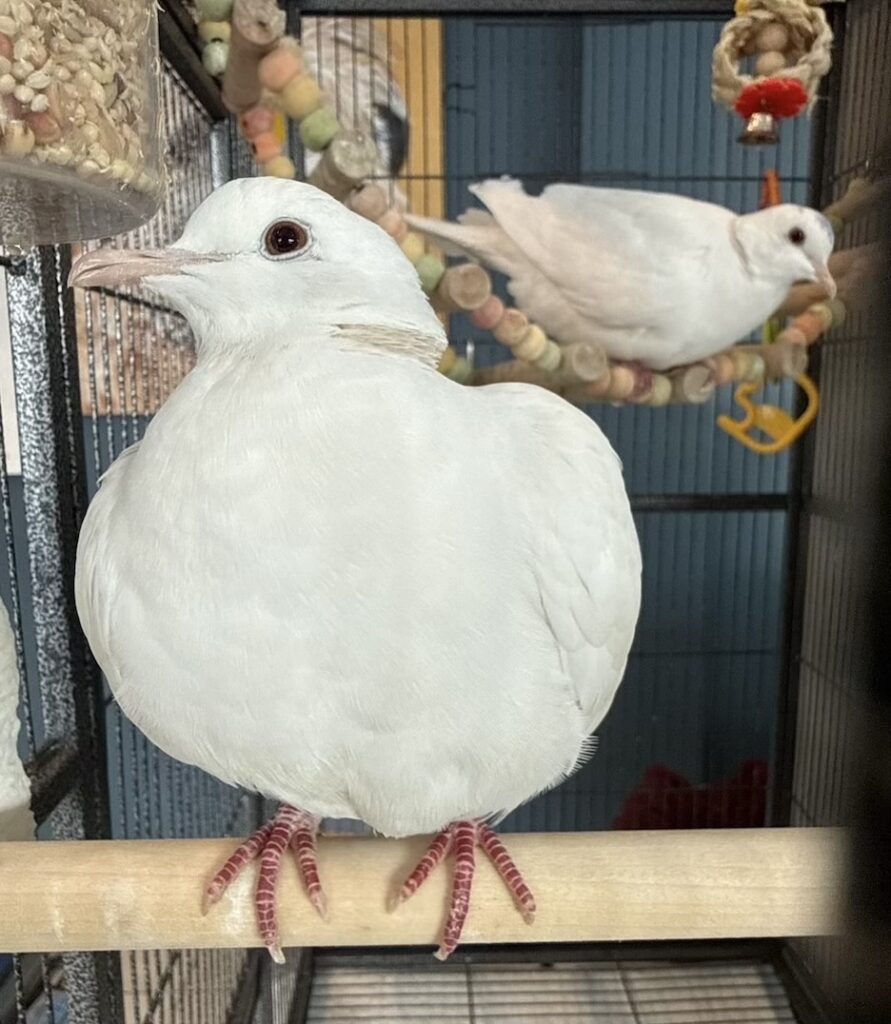
Diamond and Crystal 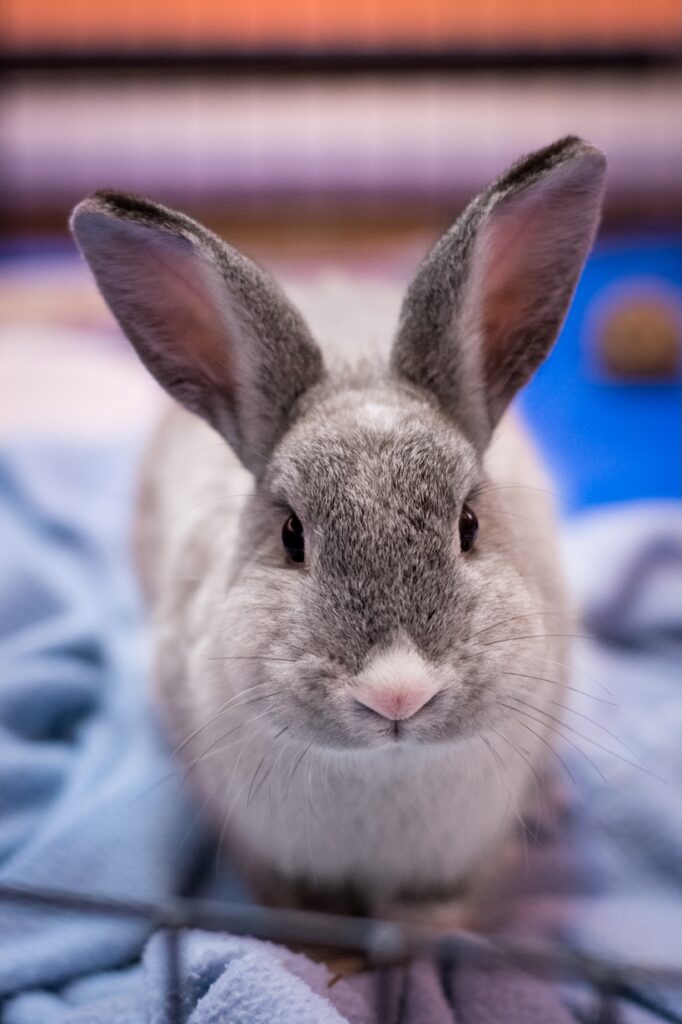
Lily 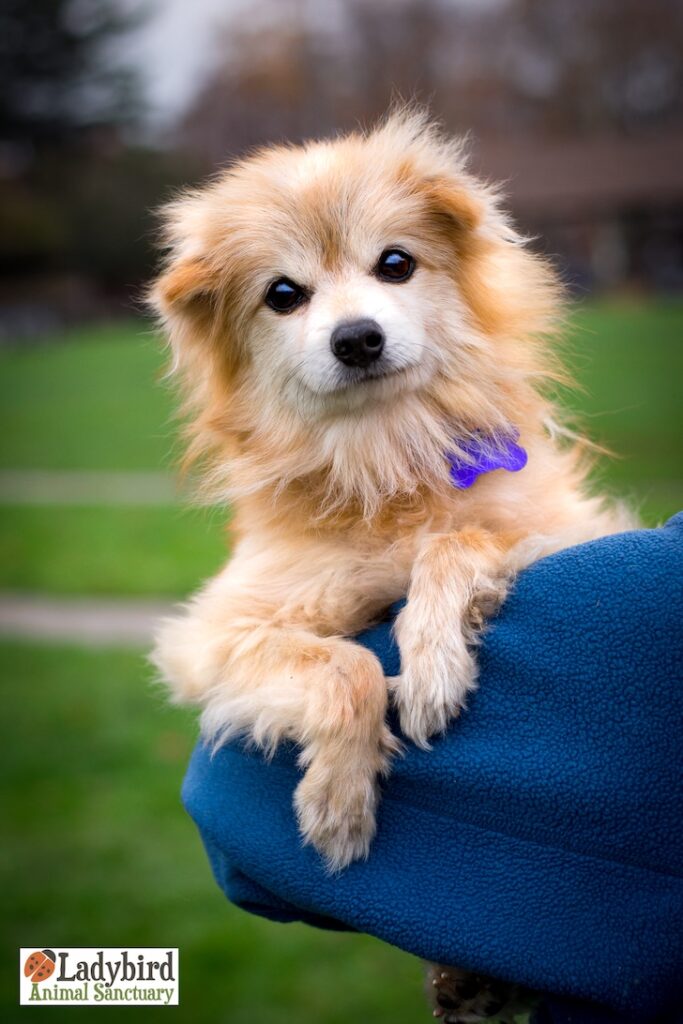
Fozzie 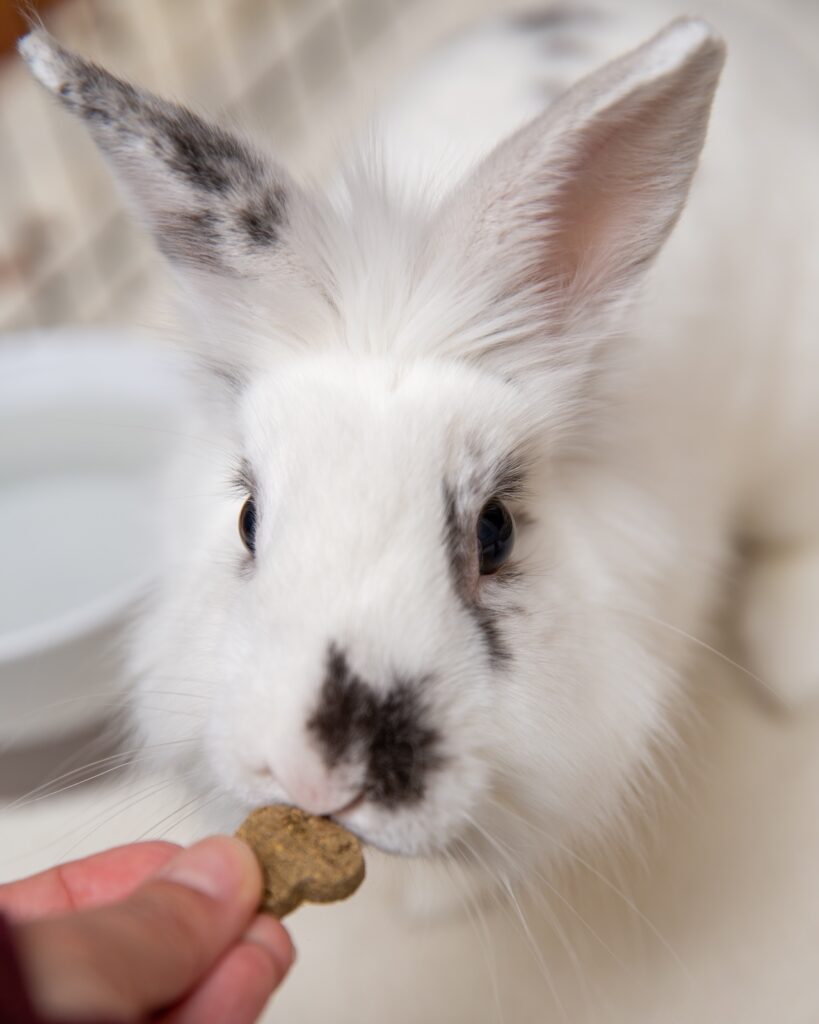
Jackson 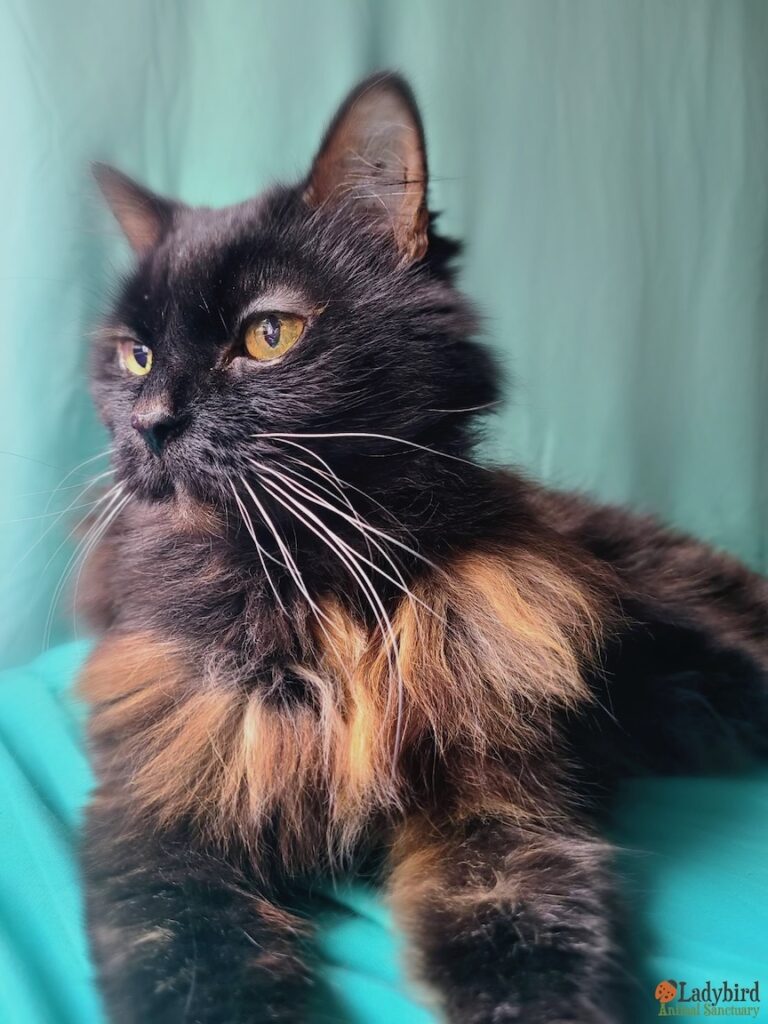
Lilly 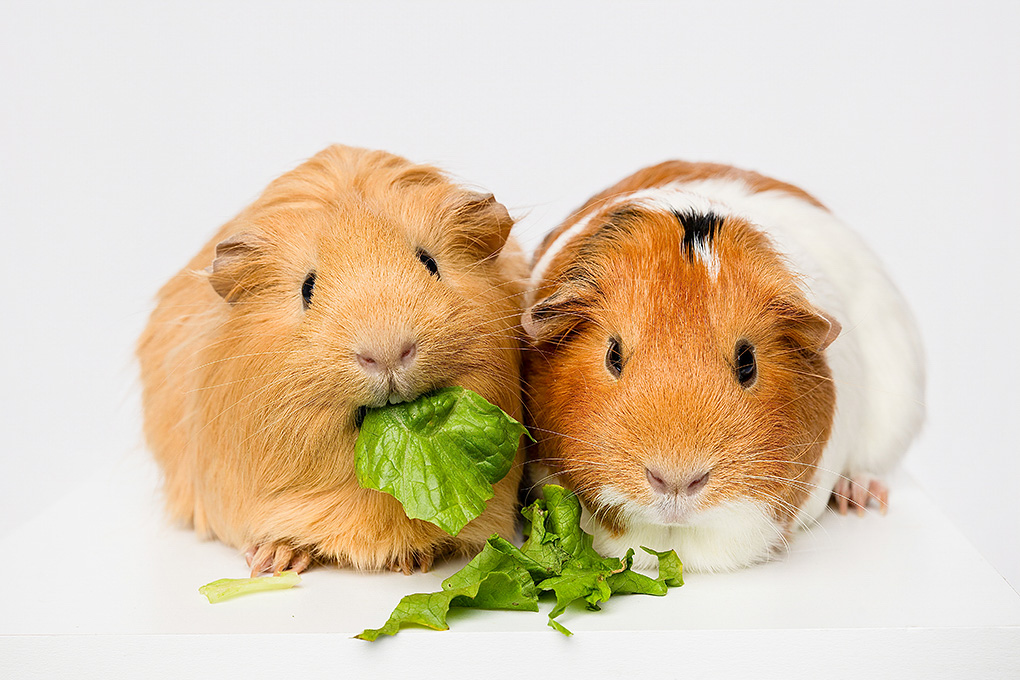
Gini and Mini
HOW YOU CAN HELP
Ladybird Animal Sanctuary is always looking for donations, whether financial or animal supplies. Supporters can contribute through United Way paycheque deductions, donating Aeroplan points, or donating a car. The sanctuary manages a number of funds for donations, including Buy A Brick for the farm project and the Gilbert Fund for special needs animals.
There is also a Partners for Paws program that offers different sponsorship tiers to local businesses.
And Ladybird offers memberships, for those who want to contribute a set amount each month. Members get insider benefits and discounts.
“That’s probably one of the biggest ways to support Ladybird, because it's predictable for us," say Ladybird co-founder Janine Stoll. "We know if we have a certain number of members, and we have a certain number of member dollars coming in, we can afford to rescue this dog that we know is going to cost $12,000 in vet bills, because we can rely on our membership dollars helping to cover that. It just creates a base of operations for us.”