







TD Coliseum: One year in

From Paul McCartney’s opening-night performance to a new era of professional sports, the transformed downtown arena has welcomed more than 850,000 fans in its first year — and the momentum is building.
When Sir Paul McCartney took the stage at TD Coliseum on Nov. 21, 2025, it was more than a spectacular opening night with a music legend. It was a statement about what Hamilton’s newly transformed downtown arena could become.
One year later, that promise is beginning to take shape.
With more than 850,000 fans attending more than 110 events over the past year, a calendar spanning international music stars, major sporting events and family entertainment, and a growing profile as a destination for audiences across southwestern Ontario and beyond, TD Coliseum has made a strong first impression.
For Nick DeLuco, senior vice-president and general manager of the venue, the past 12 months have been a whirlwind.
“I don't know if the year's flown by or if it's taken like 10 years off my life, but it's something in the middle of that,” he says with a laugh.
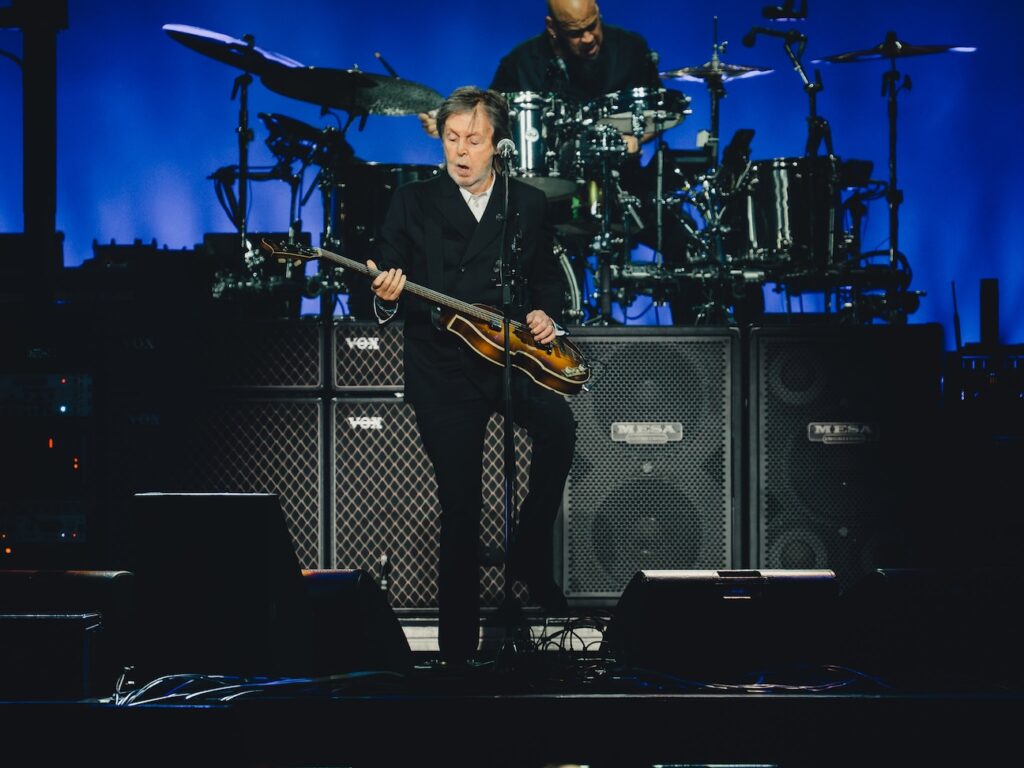
The $300-million transformation of the downtown venue by global venue operator Oak View Group comes with a music-first identity, modern concessions and premium amenities in spaces that were once closed off to the public, and an 18,000-seat capacity.
“Everyone's vision for 40 years of Hamilton was Copps Coliseum and the seats and the old infrastructure,” says DeLuco. “Just being able to ... spread the word about how amazing the venue is, how great it sounds, the look, what you can hang in the building, all of the artist spaces, getting people to finally see that and see how different Hamilton is.”
But the real test was whether audiences, artists, and promoters would embrace it.
The first-year numbers suggest they have.
According to numbers reported by global concert and live entertainment trade publication Pollstar, in the half-year between opening night and mid-May, TD Coliseum generated $19.6 million in reported box office revenue and sold 191,904 tickets.
Fourteen concerts generated more than $1 million each in gross ticket sales. Those numbers added up to the Hamilton arena being ranked as the second-highest-grossing arena and the top-selling arena in Canada. Globally, it ranked No. 51 among the highest-grossing arenas and No. 65 for tickets sold.
“We've had massive success with [the] shows we've put on sale,” DeLuco says. “It doesn't even matter the genre, if it's K-pop or country or pop or rock. People are buying.”
A stage for every sound
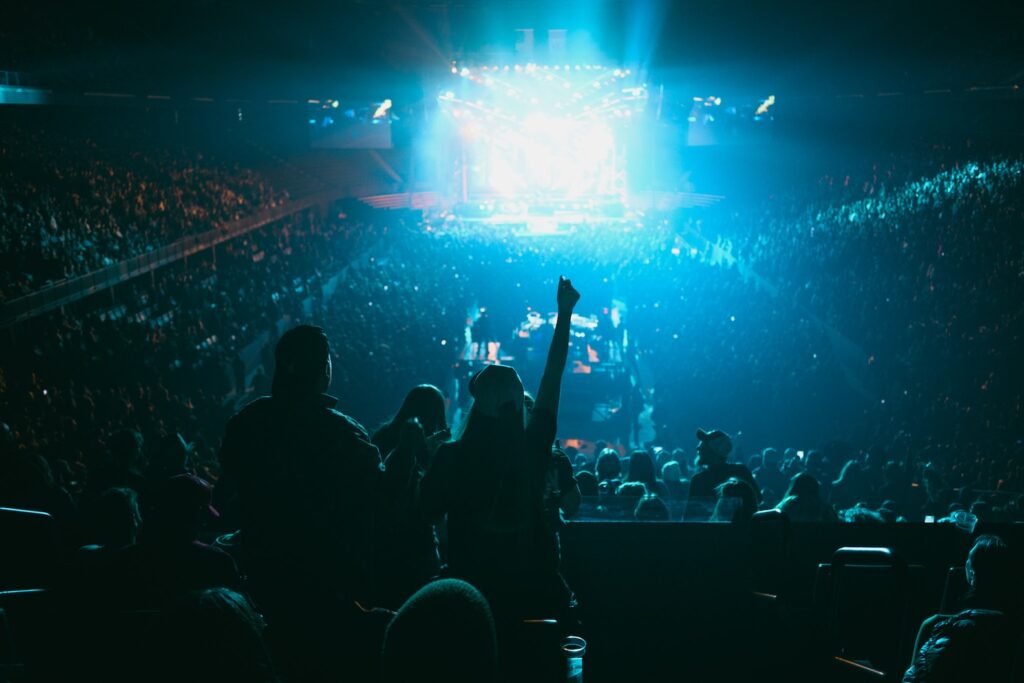
The inaugural year brought a large range of performers through the doors, including Andrea Bocelli, mgk, the Jonas Brothers, Cardi B, Elle Langley, TWICE, Journey, Bryan Adams, Brad Paisley, the Smashing Pumpkins, and John Summit.
Comedy also made its mark. Matt Rife's January appearance set a venue record for tickets sold for a comedy show, according to DeLuco.
The diversity is intentional. The goal is to establish TD Coliseum as a place where audiences can discover different kinds of live entertainment, while giving touring artists a compelling reason to put Hamilton on their itineraries, says DeLuco.
And the building itself is helping make that case.
DeLuco says audience feedback about the arena's acoustics has been particularly encouraging, with some concertgoers describing it as one of the best-sounding arenas they've experienced.
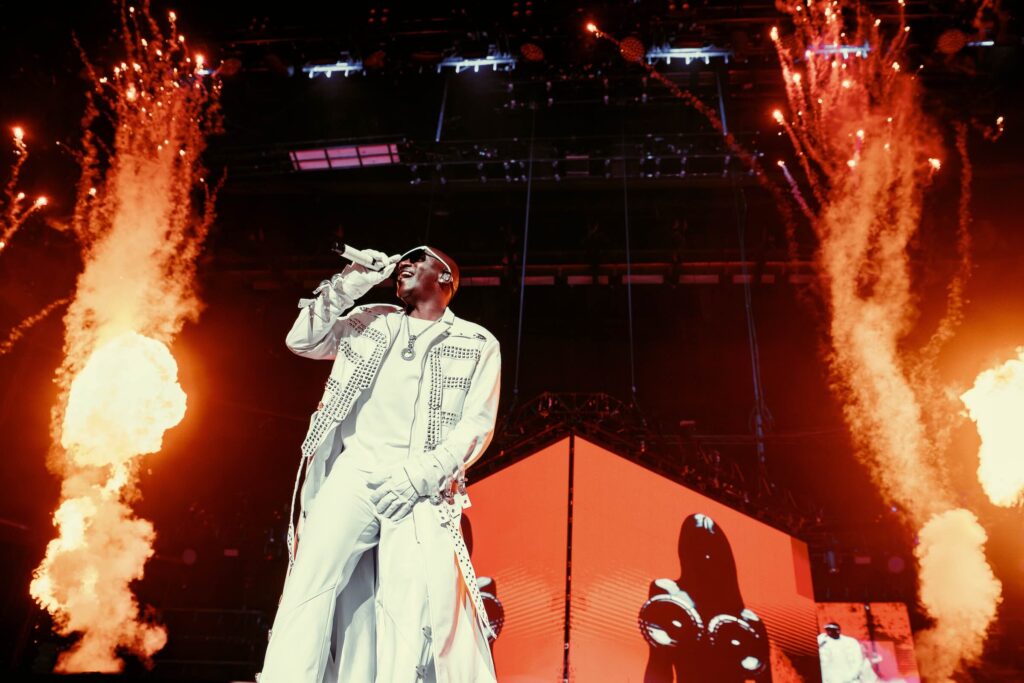
“That speaks volumes to the renovation and the job that was done to make sure we give artists the best experience they can get in the market,” he says.
The venue's reach has also extended well beyond Hamilton. Background figures show that 75 per cent of tickets sold during the first year went to people outside the Hamilton designated market area, with 58 per cent of ticket buyers coming from the Greater Toronto and Hamilton Area.
DeLuco says the strongest response has come from communities west of Toronto, including Oakville, Burlington and Mississauga, as well as audiences from Buffalo and other parts of upstate New York for selected shows.
One particularly surprising success was a Professional Bull Riders Canada Cup Series event. Despite initial questions about how the May event would perform in Hamilton, the show went on to set a Canadian ticket-sales record for a PBR date.
“It kind of just validated the need for this building and that there is a market here and people that want live music and live entertainment are going to come,” DeLuco says.
More than concerts
While major concerts have helped establish the venue's profile, professional sports have become an increasingly important part of its identity.
The first year included the PWHL Takeover Tour, which drew a raucous crowd of more than 16,000 and helped pave the way for professional women's hockey to establish a permanent presence in Hamilton. The home opener for the Hamilton Havoc of the Professional Women's Hockey League is Dec. 13.
The franchise is the third team in the venue, joining the Hamilton Hammers of the American Hockey League, an affiliate of the New York Islanders, and the Toronto Rock of the National Lacrosse League.
The Rock added a championship to the arena’s inaugural year, capturing the 2026 NLL title.

“Getting to bring pro hockey back both on the female side and on the men's side, three teams now playing out of the building on top of the music and events — it is truly an entertainment hub with things to do for everybody,” says DeLuco.
Managing the schedules of three professional teams alongside a busy concert and event calendar is something of a game of “Tetris,” says DeLuco, particularly during playoff season, but that’s a good problem to have.
The venue also played a central role in bringing the Canadian music industry to Hamilton for the 55th annual JUNO Awards in March. JUNO Awards Week generated $23.1 million in economic activity across Ontario, with $17.2 million concentrated directly in Hamilton.
The event offered an opportunity to showcase not only the arena, but also downtown Hamilton, the city's music scene and its broader cultural offerings.
Nationally televised events, including the JUNOs, PWHL Takeover Tour, FIBA Basketball World Cup qualifiers, and PBR Canada Cup Series, have further expanded the city's visibility.

A boost for the local economy
The impact of a busy arena extends well beyond the people attending events.
Since reopening, TD Coliseum has added more than 600 full- and part-time positions, bringing its active workforce to more than 1,250, including on-call event staff. It has also worked with more than 65 local vendors, artists and businesses, while partnering with 25 local charities and non-profit organizations through ticket donations.
For DeLuco, the people behind the scenes deserve much of the credit for the venue's first year.
“We put in a lot of hours and we ask a lot of people,” he says. “The jobs they've done to bring us to where we are today, I can't thank them enough on my team because that's the reason behind all of our success here,” he says.
“Everybody cares and they're passionate about this building and they want to see it succeed,” he says. “You need all of those ingredients to have a successful operation.”
The next act
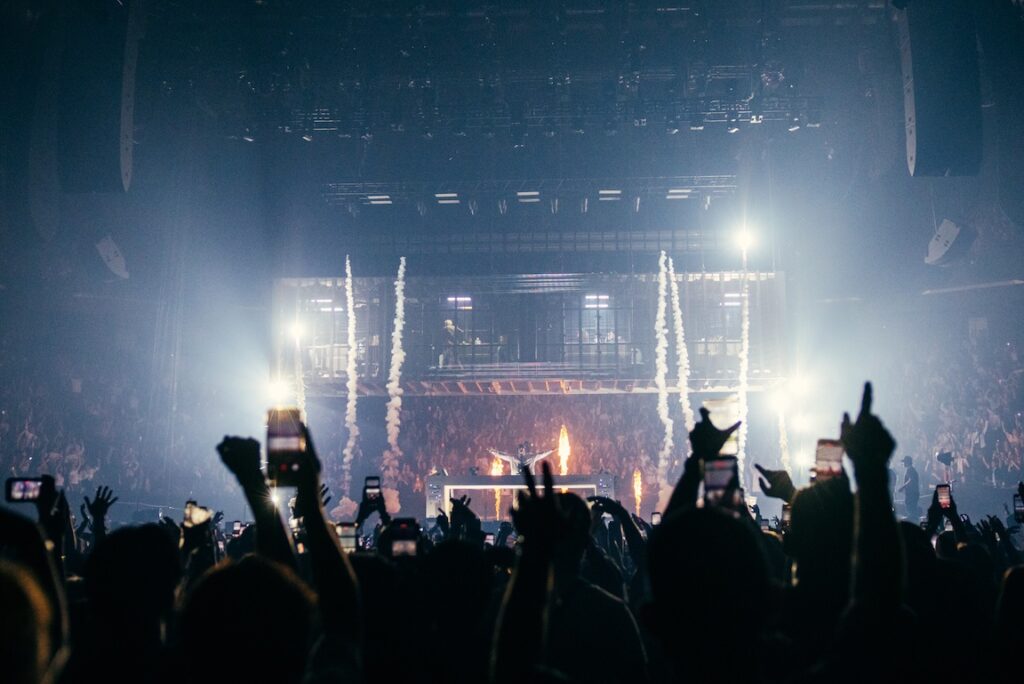
If the first year was about establishing TD Coliseum as a major entertainment destination, the second is about building on that momentum.
That includes Il Volo and Pentatonix last weekend and four sold-out Garth Brooks performances in the first weekend of December are expected to bring approximately 60,000 people through the doors. Andrea Bocelli is returning Dec. 19.
Among the announced highlights for 2027 are Hilary Duff, Hans Zimmer, Nickelback, Phoebe Bridgers, Alex Warren, Calvin Harris, Disney On Ice, Monster Jam, and KPop Demon Hunters.
More announcements will come before the end of the year, says DeLuco.
As the venue moves into its second year, DeLuco is optimistic about what the future holds for the arena, and for Hamilton, as TD Coliseum continues to offer reasons for people from across the region to spend time in the city.