




THE PLAYLIST
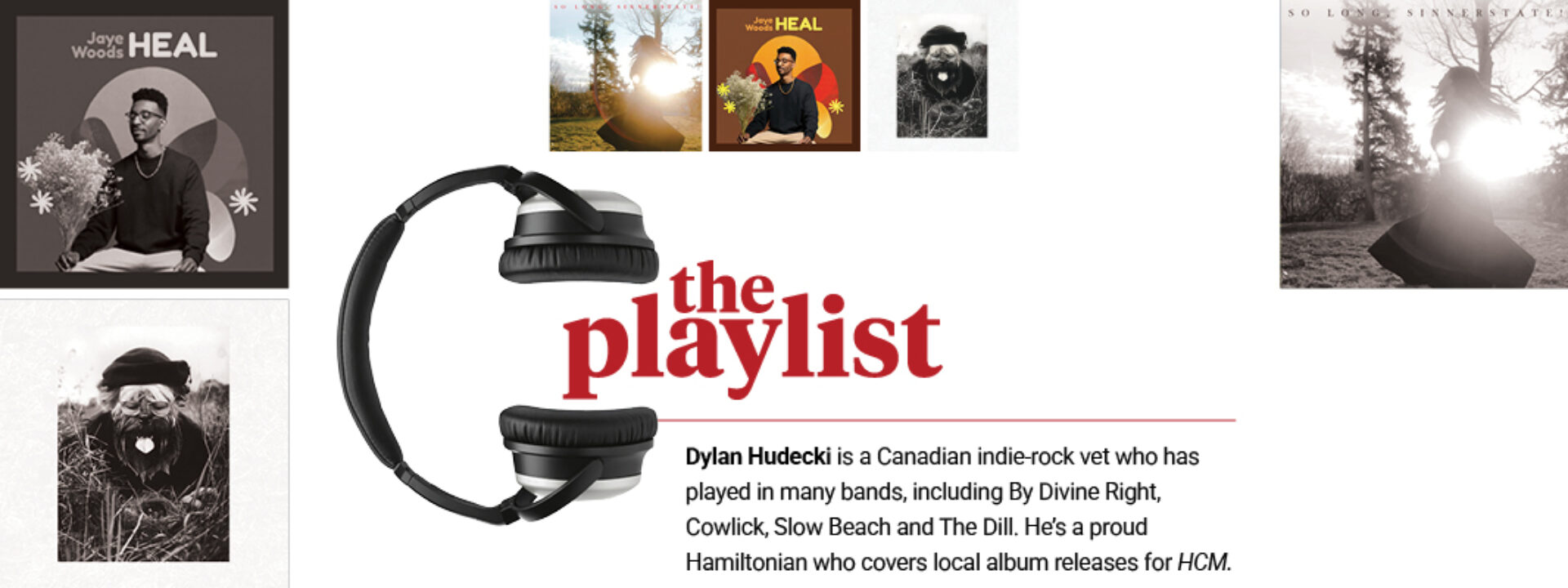
Dylan Hudecki is a Canadian indie-rock vet having played in many different bands, including By Divine Right, Cowlick, Slow Beach and The Dill. He’s a proud Hamiltonian who covers local album releases for HAMILTON CITY Magazine.
A. David MacKinnon
I Never Needed More Than This
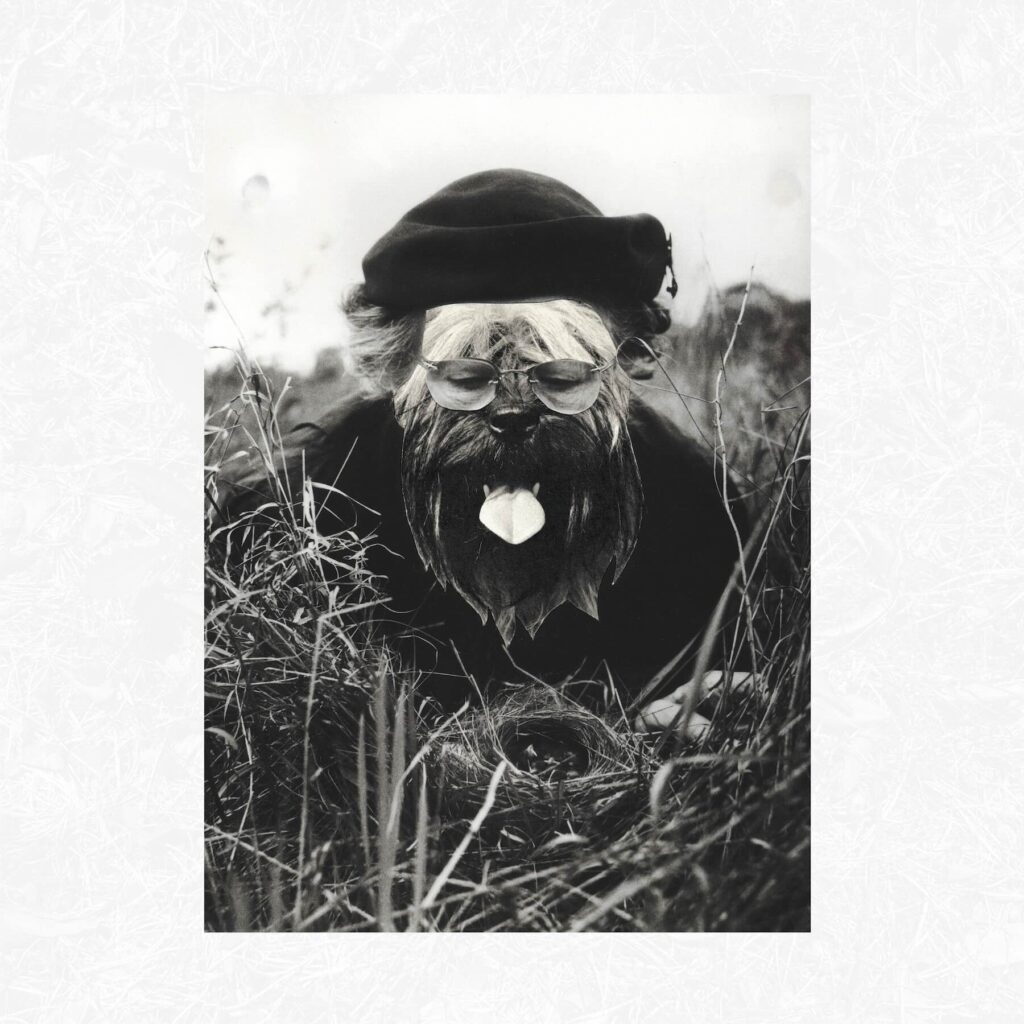
There are some albums that feel like they were written; others feel like they were lived. A. David MacKinnon’s I Never Needed More Than This belongs firmly in the latter category.
The Hamilton songwriter, multi-instrumentalist, and producer has spent three decades making music with an understated ability to turn everyday experiences into something profound. As one half of FemBots and Drones Over Dufferin, MacKinnon has developed a reputation for thoughtful songwriting and arrangements that never overwhelm the stories at their centre.
His latest solo album may be his most personal and precious work yet. Produced by Sandro Perri, I Never Needed More Than This is, at its heart, an album about devastating loss. MacKinnon wrote these songs in the shadow of losing his life partner to cancer, and that grief permeates the record without ever becoming melodramatic. Instead, the album finds its power in the quieter spaces, the memories, the observations, and the small details that remain after someone so special is gone for good.
MacKinnon surrounds himself with an impressive group of collaborators, including Thomas Hammerton on piano, organ, and mellotron, Nathan Lawr on drums and percussion, his brother Duncan MacKinnon on pedal steel, Andy Magoffin on brass, Greg Smith on bass, and Kate Maki on backing vocals. Perri’s production provides an equally sensitive framework, allowing the songs to breathe while adding subtle layers of synthesizer, percussion, and texture.
MacKinnon’s weathered vocals carry the emotional weight. There is sadness here, certainly, but also affection, gratitude, and a growing acceptance of what cannot be changed. “It’s always the end of the world, everything's lost and returned, everyone knows it’s not gonna last, forever.” The songs move through love, death, leaving Toronto, birds, dogs, and starting over, ordinary subjects that become extraordinary through MacKinnon’s storytelling.
Nothing feels forced, as he has an unusual ability to make his songs sound as though they have always existed, as if he is uncovering rather than constructing them. That quality makes I Never Needed More Than This especially affecting. This isn't an album that asks the listener to admire its sadness. It simply invites us into a deeply human experience and trusts us to find our own way through it. This may be my favourite Canadian and local album of the year. Simple, real, tragic, beautiful, endearing, deep, important.
In a career built on quiet observation and beautifully crafted songs, MacKinnon has created something particularly moving here. I Never Needed More Than This is an album about what we lose, what remains, and ultimately, what allows us to keep going.
RIYL: Bonny “Prince” Billy, FemBots, Sparklehorse, Damien Jurado
GENRE: Folk, indie folk
STANDOUT TRACKS: In the Lily of the Valley, Blue, Blue Skies, It’s Always the End of the World, Cherry Blossom Time, So Good at Missing You, Welcome Home
LISTEN HERE: Apple, Bandcamp, Instagram
Tewksbury
rust/wave
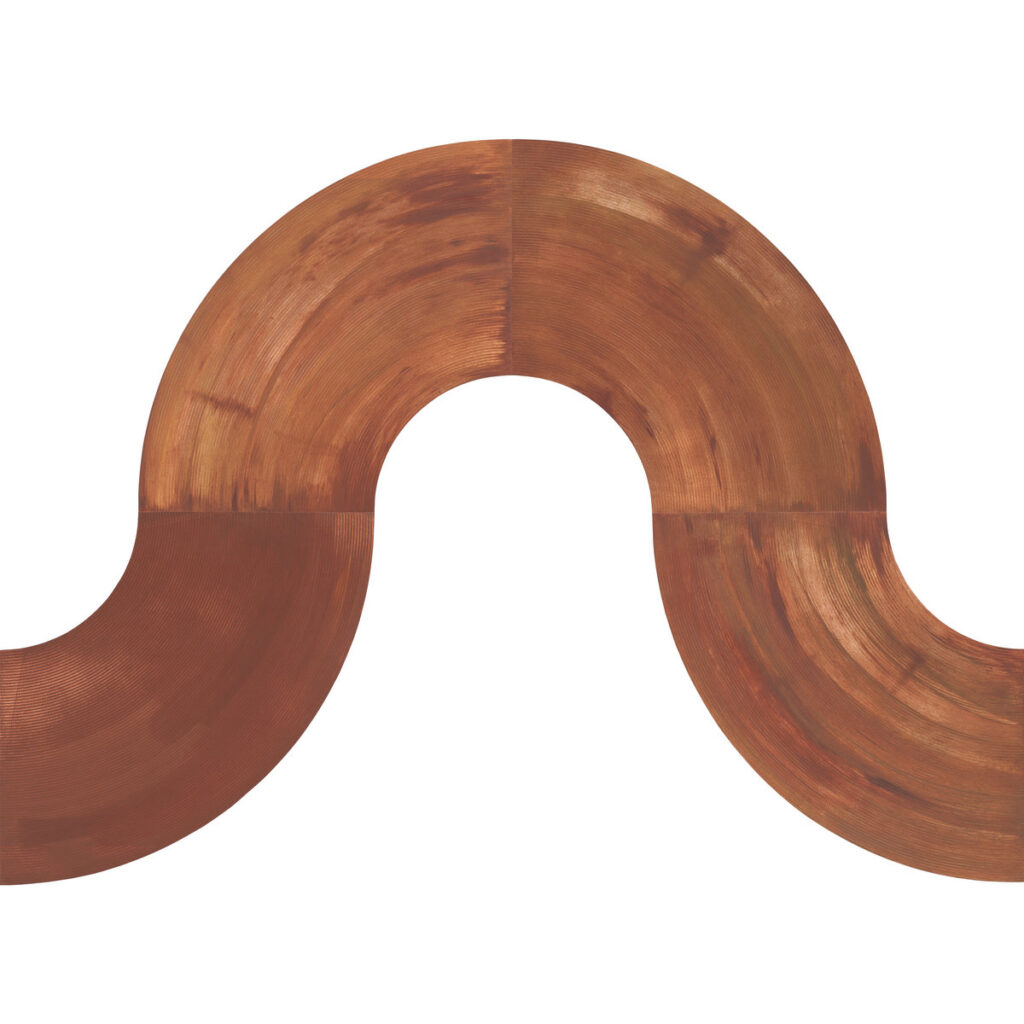
There is something inherently cinematic about rust/wave, the latest album from Hamilton multimedia artist, composer, and sonic experimenter Douglas Tewksbury. Rather than functioning simply as a collection of ambient, instrumental compositions, the record feels like the soundtrack to a film that exists somewhere between memory, and an uncertain future.
Its 10 pieces continually shift in tone and texture, creating scenes that appear, disappear and transform before the listener has fully grasped them.
Released through Imaginary North, rust/wave represents another fascinating evolution in Tewksbury’s ongoing exploration of sound. While his earlier work often embraced lengthy compositions and slowly developing atmospheres, this album is more immediate and unpredictable. Most of its tracks are under five minutes, creating a feeling of movement that makes rust/wave feel like a series of connected cinematic vignettes.
Much of the album was created using vintage hardware samplers, including the Akai Riff-O-Matic and Korg MS-1. Instead of correcting the limitations of these machines, Tewksbury makes them part of the composition. Warbling samples, distortion, unstable loops and saturated tones become instruments in their own right. The imperfections give the music a physical human quality that some ambient music misses. For lack of a better term, spa/zen music specifically.
To understand rust/wave, it helps to look at where Tewksbury has been before. His 2021 debut Paths established his fascination with solo piano and ambient music, analogue processes, and environmental ideas.
Brutes followed in 2022 with two enormous compositions, each approaching 20 minutes, constructed from long analogue tape loops, historic choral recordings, and an unusual “amplifier orchestra” of guitar amps (recorded at Boxcar Studio by Gage Park in Hamilton). The result was haunting, glacial music that connected human voices with the destruction and beauty of the natural world.
That exploration expanded dramatically with 2024’s Floes: Volumes I-IV, a four-part, three-and-a-half-hour collection inspired by Canadian and Arctic winter landscapes. Built from a single Moog One synthesizer and extremely long analogue tape loops, the music unfolds at an almost geological pace. Melodies slowly emerge, overlap and dissolve, with tape splices, drifting motors and other imperfections becoming part of the experience.
Tewksbury’s work also regularly escapes the confines of the recorded space. His Glacierphone installation, for example, allows listeners to telephone into a recording of a glacier calving, captured during his 2023 Arctic Circle residency in Svalbard, Norway. It is an ingenious meeting point between environmental art, technology, and sound, turning a distant landscape into an intimate listening experience.
That same installation-based sensibility runs through rust/wave. “Rime” surrounds the listener in mysterious layers, while “Corridors” is a fleeting, almost filmic, delicate fragment. “Libration” feels unsettled, dizzying and mechanical, while “Illume” drifts into one of the record’s most beautiful and weightless passages. His approach is more like collage. Disparate sounds are cut apart, distorted and rearranged until they form something unexpectedly cohesive. The result is experimental music with an unusually human warmth.
Tewksbury has created a strange, beautiful sonic landscape where decay, technology, nature, and memory seem to occupy the same space, and where even the imperfections become part of the story.
RIYL: Brian Eno, Nils Frahm, Jon Hopkins
GENRE: Ambient, new age
LISTEN HERE: Apple, Bandcamp, Instagram
The Fledge
Gatherer
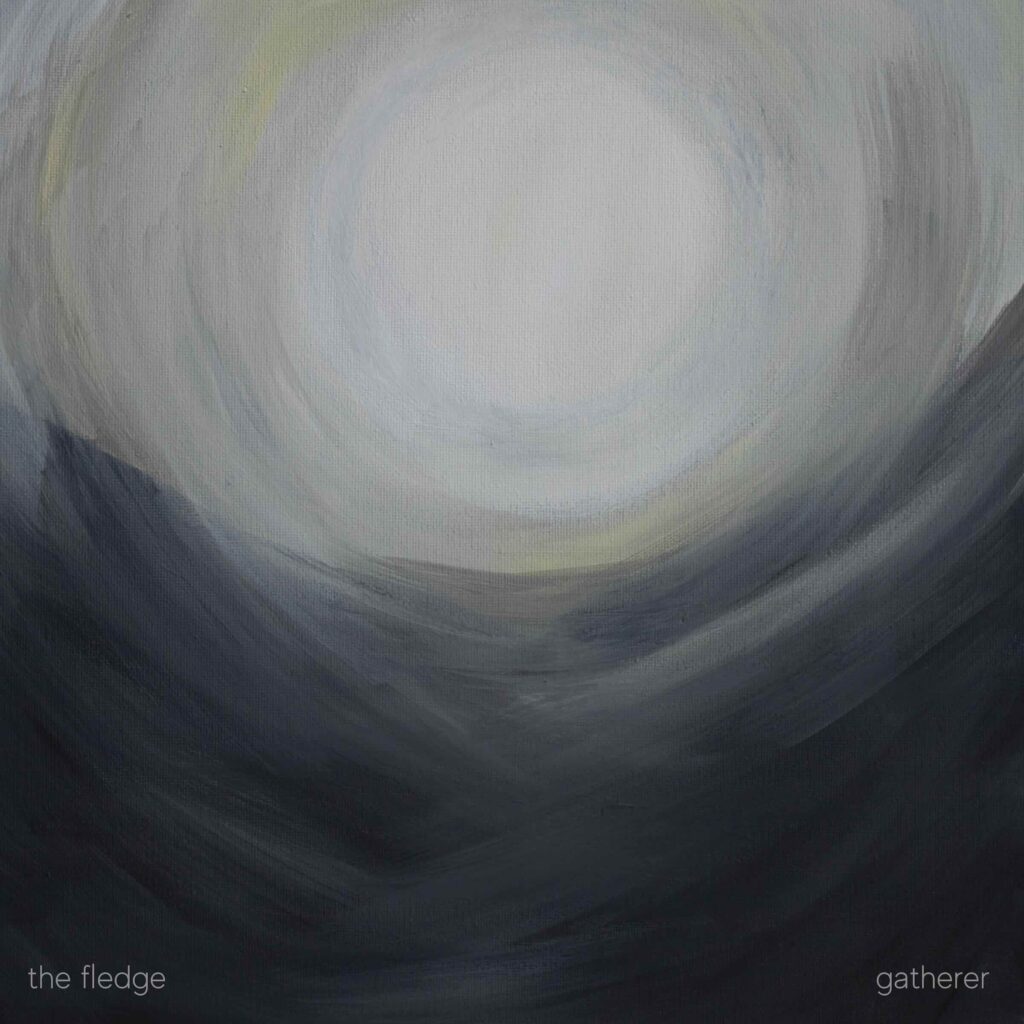
There’s a particular tension running through Gatherer, the new full-length from Hamilton’s The Fledge: the feeling of being deeply attached to a place while becoming increasingly uneasy about the world surrounding it. Their second studio release and first proper album doesn't attempt to make sense of that contradiction. Instead, it leans directly into it.
Released through zBTFD Records, Gatherer expands the ideas first introduced on 2022’s Hunter. Where that debut largely turned inward, examining anxiety, identity, and the messier corners of the self, this time main songwriter Adrian Murchison and the band are looking beyond themselves.
Hamilton, the housing crisis, capitalism, political division, aging, and the relentless pressure of simply getting through the day all become part of the picture. The music matches that unease. Angular guitar lines collide with tightly wound rhythms, sudden shifts, and controlled bursts of intensity.
The Fledge occupy the space between post-rock, post-hardcore, and post-punk, but Gatherer feels less concerned with genre than with creating tension and release. There’s an almost physical sense of restraint throughout the album, as if the songs are constantly holding something back before finally allowing it to erupt.
Recorded, mixed, and produced by guitarist Marco Bressette at Deadquarters Studio, the record sounds considerably more assured than Hunter. The band, made up of Murchison, Bressette, Kevin O’Connor, Rob Singh, and Carl Anthony have developed a knack for making complicated arrangements feel purposeful rather than merely difficult.
“Southern Farms” is perhaps the clearest example. Looking south from a Canadian perspective, the song takes aim at American exceptionalism, the military-industrial complex, mass entertainment, and the increasingly tribal nature of politics. Rather than offering a simple rant, The Fledge turns observation into something more unsettling: a warning about a culture that can feel uncomfortably close.
The Fledge may call themselves “post-optimist,” but there’s something hopeful underneath the noise, the belief that community might still be the thing that gets us through.
RIYL: Kitchens & Bathrooms, QOTSA, The Dirty Nil, Kyuss, Helmet
GENRE: Rock, math rock, grunge
LISTEN HERE: Apple, Bandcamp, Instagram
Jaye Woods
HEAL
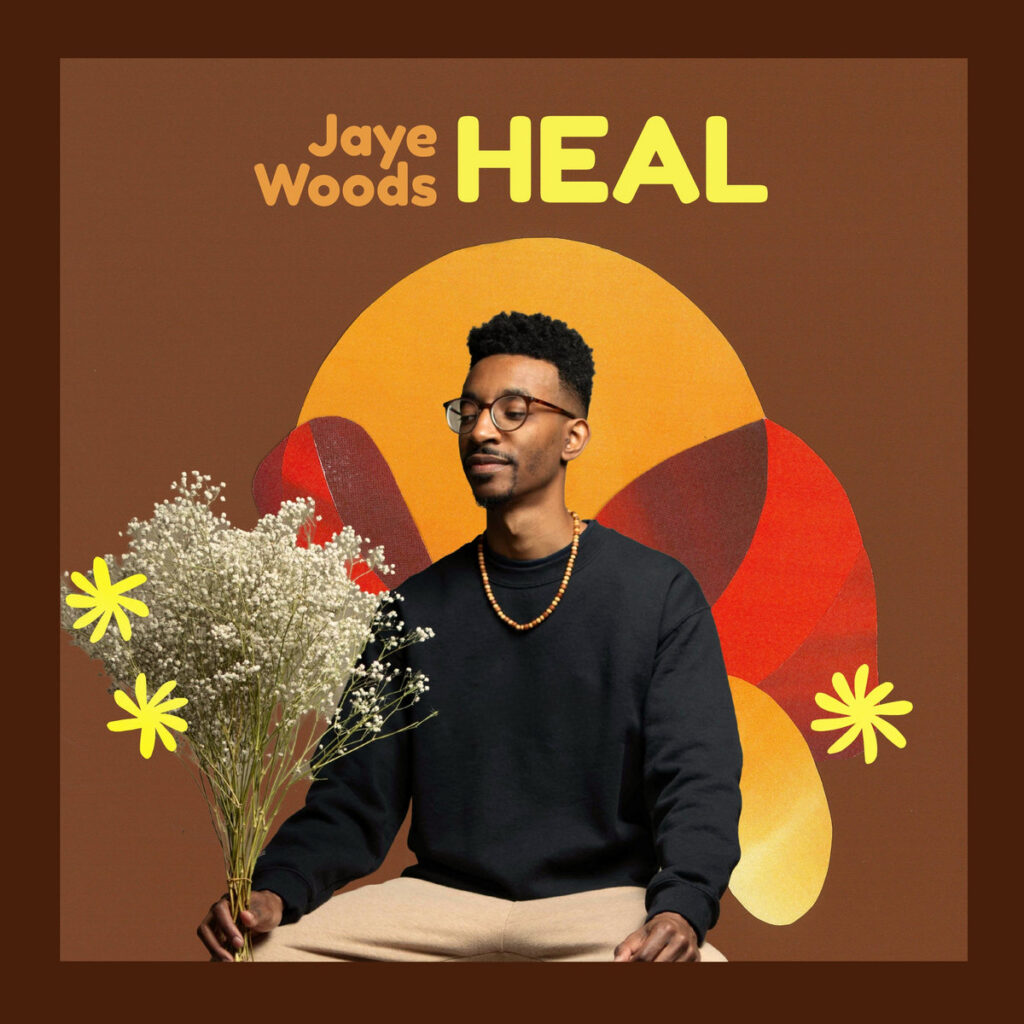
For Hamilton artist Jaye Woods, music and healing have never been entirely separate things. A veteran emcee and practising therapist, Woods has built his latest work around the intersection of hip-hop, emotional honesty, and the complicated business of being human. On HEAL, those worlds come together in a remarkably natural way.
Released Sept. 25, HEAL is a concise, soulful record that blends ’90s hip-hop sensibilities with R&B melodies, contemporary production, and plenty of personality and vibe. Rather than presenting healing as some tidy destination, Woods explores the awkward, funny, and sometimes uncomfortable work involved in understanding ourselves and communicating with the people around us.
That approach is immediately apparent on “Say What U Mean,” featuring Cj Cruicks. Built on a smooth, funky groove, the song tackles passive-aggressive behaviour and our tendency to hide difficult feelings behind defensiveness or sarcasm. Its playful energy keeps the message from becoming preachy, while Woods’ lyrics encourage something much harder: actually saying what we mean. The song’s origins date back to 2017, when Woods was introduced to nonviolent communication and its emphasis on recognizing the unmet needs beneath conflict.
Years later, reflecting on communication patterns within his own family helped transform that idea into music. Recorded in a makeshift booth inside his Hamilton home, the track grew from an accidental combination of drum loops into a collaborative production featuring David Soliman’s guitar, Ari Daye King’s songwriting input, and Cruicks’ contributions.
The spirit of looking inwardly carries throughout HEAL. Songs, including “Open Heart,” “Love Is Who We Are,” “Real Men,” “Fight or Flight,” “Boundaries,” and “You Deserve” explore vulnerability, relationships, self-worth, and the emotional habits we inherit and sometimes need to unlearn.
The collaborations of HEAL extends well beyond the songwriting. Woods is joined by featured artists Aubrey Noronha, Cj Cruicks, Abbie Winger, and Jon Corbin, with production contributions from Jeremy Rodney-Hall, Corbin, David Soliman, and Adam Pondang alongside Woods himself. Soliman also adds guitar and piano, while Amanda Heywood, Ben Heywood, and Adam Pondang contribute additional vocals.
Pondang also handles the mixing and mastering, with Elise Bird providing the cover artwork and design. It warms the heart to see a wide circle of Hamilton collaborators helping Woods bring his vision of connection and healing to life. I’ve always said, “it always takes a village to release an album.”
Another level of what makes HEAL work is that Woods never sounds like he’s delivering a lecture. He’s figuring things out alongside the listener, and bringing them in on the process. There’s humour, groove, and warmth alongside the introspection, giving the album an inviting quality even when its subject matter gets personal. For an artist working at the crossroads of conscious hip-hop and mental-health advocacy, HEAL feels like an open conversation. It’s music about lowering the defences, examining what’s underneath, and finding better ways to connect. Sometimes healing starts with simply saying what you mean.
RIYL: Jurassic 5, Frank Ocean, Childish Gambino, Common, Shad
GENRE: Hip hop
LISTEN HERE: Bandcamp, Instagram
READ HCM'S Q&A WITH JAYE WOODS HERE!
Danger!! Death Ray
Communication
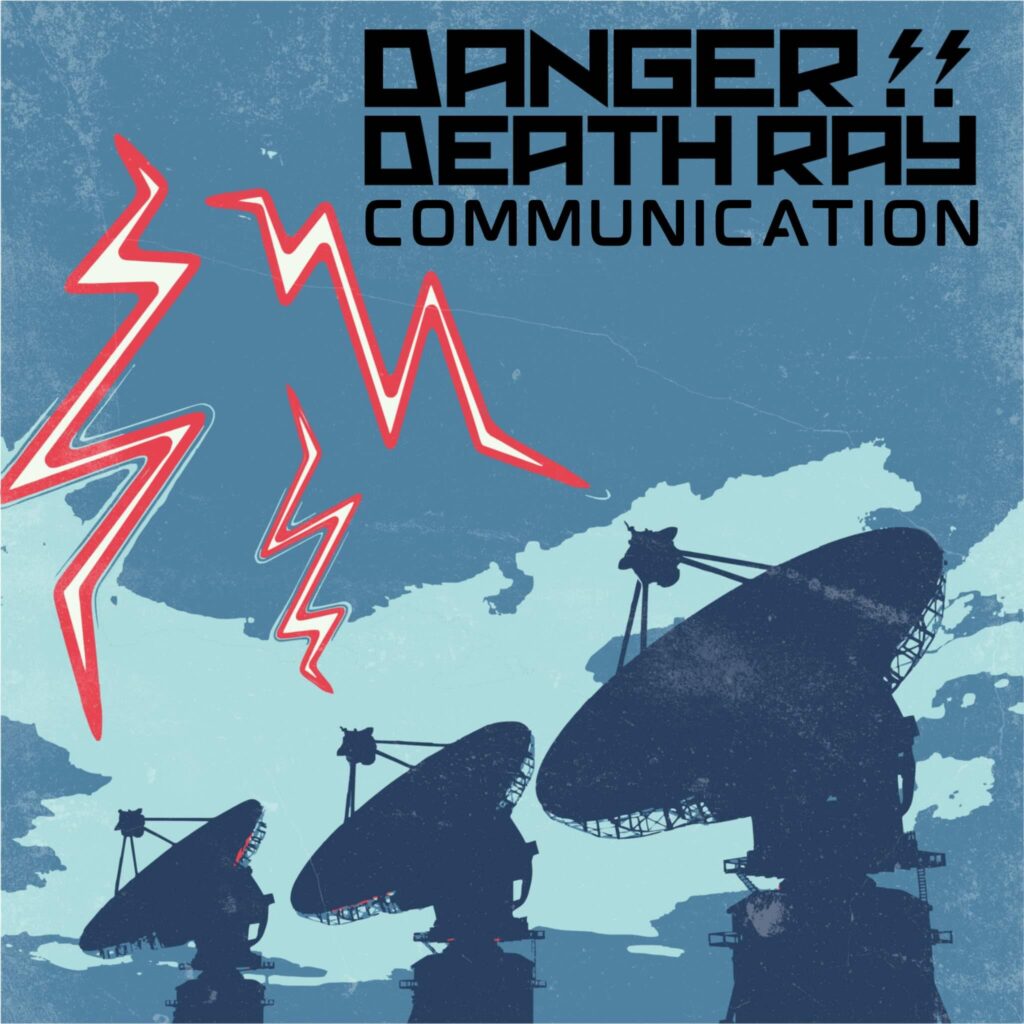
There’s always been something slightly otherworldly about Danger!! Death Ray. Since forming in Hamilton in 2019, the instrumental trio has been sending its twangy guitars into increasingly strange and noisy territory. With Communication, their latest four-track, 7-inch EP, the signal has gotten considerably louder.
Released through Hyperopia Records, Communication finds brothers Christopher Farr and Daniel Farr, and friend Adam Patterson pushing their sound further into garage, punk and ’90s alternative territory without abandoning the hooks and vintage surf feel that first established their identity. The guitars still carry that unmistakable twang, but there’s more grit underneath them now, less beach party, more something strange emerging from the static.
The band’s loose sci-fi narrative continues with the EP’s title. Their releases have followed a deliberately playful extraterrestrial progression: Demonstration, Invasion, Devastation, and now Communication. Apparently something has: arrived, caused some damage and, apparently, has finally decided to get in touch. The joke works because the music itself feels like a transmission from somewhere just outside the familiar. With no vocals to explain the message, the listener is left to decide what these instrumental signals actually mean.
Opening with “North Warning System,” the EP immediately establishes that sense of movement and unease. What makes Danger!! Death Ray particularly effective is their refusal to stay neatly within the surf-rock box. The influence of The Ventures and Dick Dale remains embedded in the guitar work, but the band also pulls from the wirier instrumental weirdness of Man or Astro-man?, the shadowy grooves of Shadowy Men on a Shadowy Planet, and the heavier instincts of garage punk, and grunge. The result is music that can sound cinematic and downright unruly.
Recorded at Hamilton’s Threshold Studios in January, Communication was engineered, mixed and mastered by Mickey Ellsworth, with Trevor Cooke assisting. At four tracks, the EP is short enough to leave you wanting more, which may be exactly the point.
Danger!! Death Ray has made contact. The message remains unclear, but the transmission is impossible to ignore.
RIYL: Ventures, Dick Dale, Nirvana, Link Ray, Man or Astro-Man?, Shadowy Men on Shadowy Planet, The Pixies.
GENRE: Surf rock, rock
LISTEN HERE: Apple, Instagram
Ariana Fig
So Long, Sinnerstate!
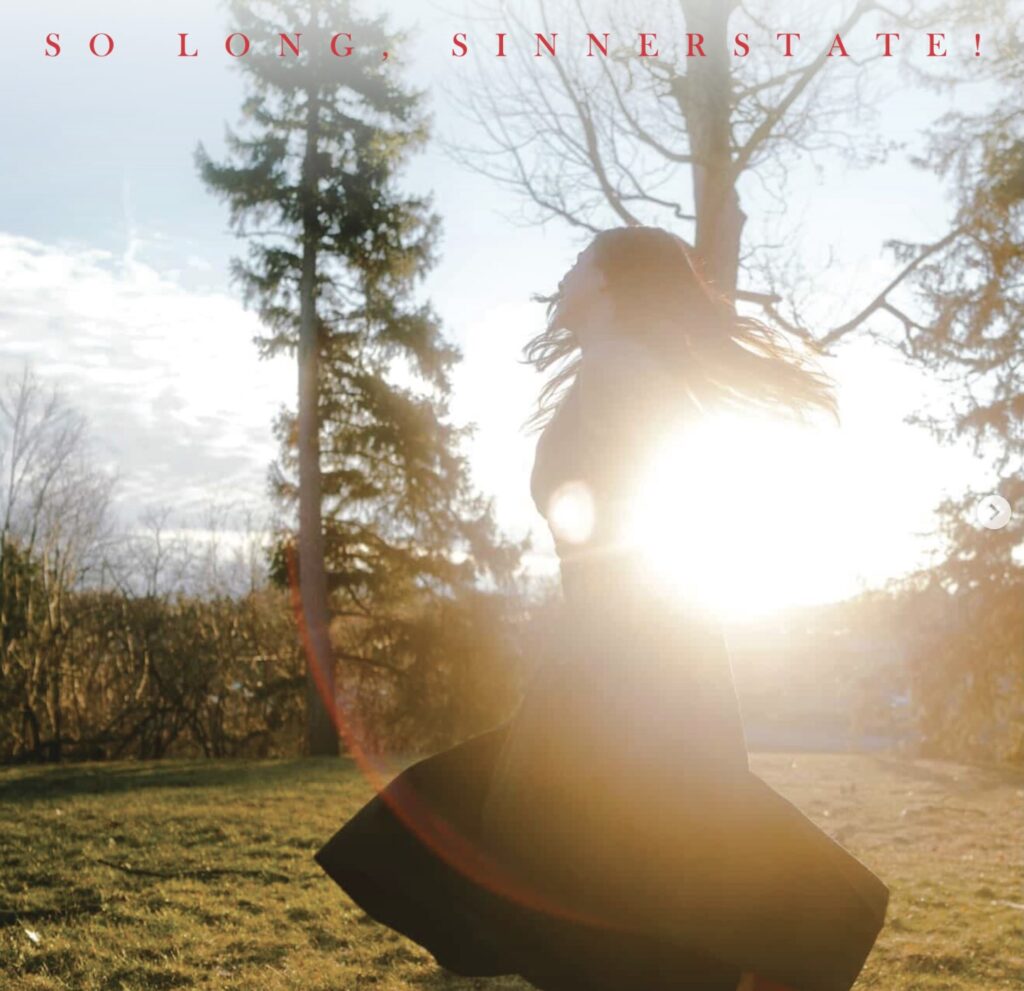
There’s a moment in growing up when looking backwards and moving forward start to feel like the same thing. For Hamilton singer-songwriter Ariana Fig, that tension is at the heart of So Long, Sinnerstate!, a debut full-length that finds its emotional power in the uncertainty of becoming someone you haven’t quite met yet.
Following two independently released EPs, So Long, Sinnerstate! represents a significant expansion of Fig’s songwriting. Her folk-pop foundation remains intact, but the album refuses to settle comfortably into one sound. Indie rock, alternative, pop, and country influences weave through 10 songs, giving each one its own personality while Fig’s unmistakable lyrical voice provides the connective tissue.
That willingness to experiment is one of the record’s greatest strengths. Fig has described the album as a deliberate move away from writing exclusively from autobiography, drawing instead from books, films, and imagined perspectives. The result is deeply personal without always being literally about her. These are songs about identity, relationships, ambition, and uncertainty that leave enough room for listeners to recognize themselves in them.
Written while Fig was listening to records by MJ Lenderman and Briston Maroney, the song “So Long, Sinnerstate!” looks back at youthful dreams while acknowledging that growing older inevitably means leaving certain versions of yourself behind. There’s nostalgia in the song, but little sentimentality. It feels more like taking a final look in the rear-view mirror before continuing down the road.
Elsewhere, “I Hope You Love Me” captures the nervous excitement of a new relationship, having been written the day before Fig went on her first date with her eventual partner. “Motor Mouth,” “7 Years,” “Anyway,” and “Beware, Front Lawn” demonstrate the breadth of her writing, moving between intimacy, humour, anxiety, and imagination.
Fig’s classical violin background adds another dimension to an artist who clearly has little interest in staying inside conventional genre boundaries.
Ultimately, So Long, Sinnerstate! is a mature, well-balanced, strong album about accepting that there may never be a finished version of yourself. Fig doesn't pretend to have everything figured out, and that’s precisely what makes the album so relatable.
The destination remains uncertain. The road, however, is worth taking.
RIYL: boygenius, Faye Webster, Olivia Rodrigo, Taylor Swift, Stevie Nicks
GENRE: Genre: pop, indie pop
LISTEN HERE: Apple, Instragram
READ MORE ABOUT ARIANA FIG IN HCM HERE!
REVISIT ME
Many publications review reissues of albums, but none ever retroactively review albums that are fantastic and overlooked after years have gone by. Why not? Why does every music review have to be for a brand new release? Why do we have to wait until certain songs have made comebacks thanks to movies and TV shows like Kate Bush’s “Running Up That Hill” in Stranger Things to remind us how good a song or album is? So at HCM we have a feature in our reviews called Revisit Me. In each edition, we’ll spotlight a Hamilton album that deserves another listen and the spotlight again.
Zoon
Bleached Wavves
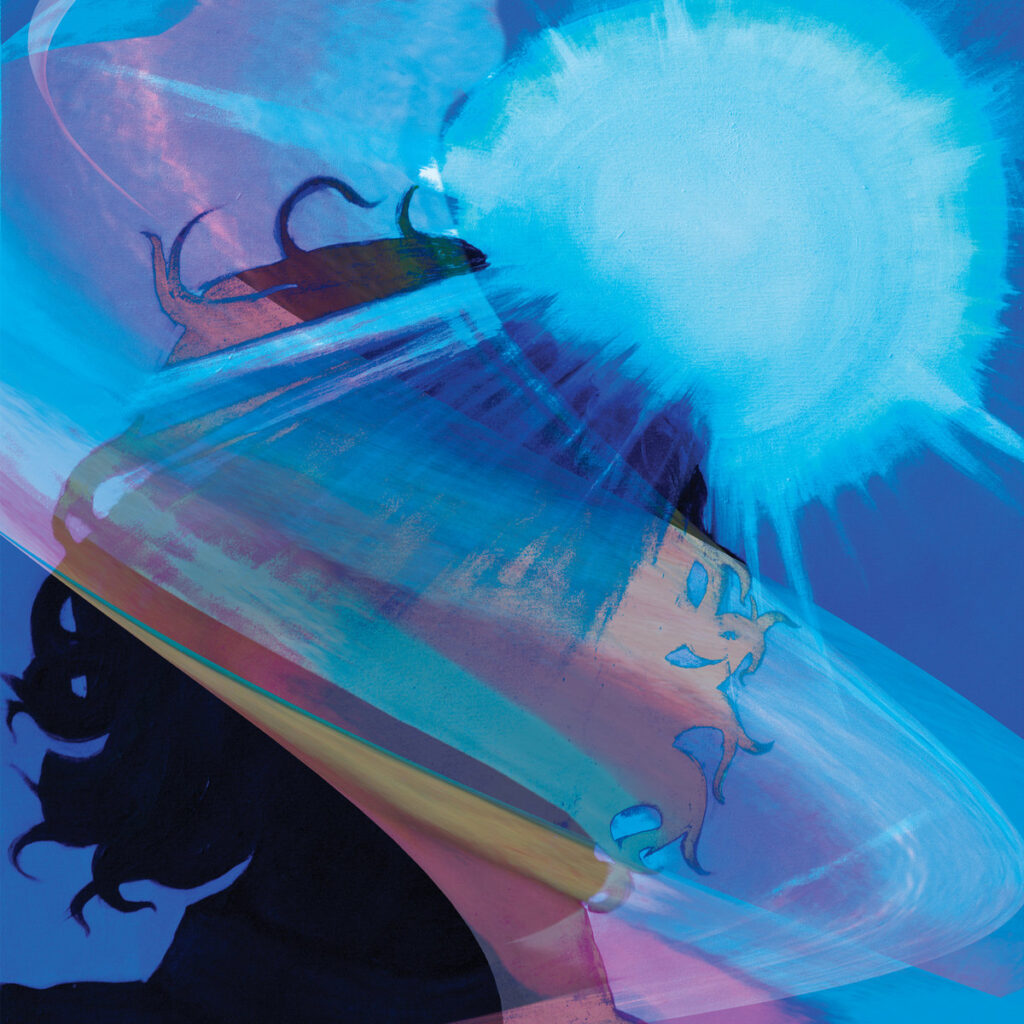
Daniel Monkman created Zoon’s breakthrough debut, Bleached Wavves, under remarkably modest circumstances. Working alone in a small bedroom and local jam space in Hamilton, Monkman built the album from the ground up after having much of his musical equipment stolen. Armed with little more than a Fender Stratocaster, Fender DeVille amplifier, and DigiTech delay pedal, Monkman created a dense, immersive record that would put him on the radar as one of Canada’s most intriguing indie artists.
The influence of My Bloody Valentine is impossible to miss. Bleached Wavves is filled with distorted guitars, swirling textures, repetition, and massive walls of sound that recall the hypnotic power of Loveless. But Monkman wasn’t interested in simply recreating the shoegaze records that inspired him.
Instead, he developed his own description for the music: “moccasin-gaze.” The term reflects the way Monkman combines the hazy, psychedelic qualities of shoegaze with his Indigenous heritage and the rhythms of Anishinaabe music. Born and raised in the Brokenhead Ojibway Nation near Selkirk, Manitoba, Monkman eventually settled in Hamilton in 2017, where Zoon’s musical identity began to fully take shape.
Traditional Indigenous music became an important part of that evolution. Monkman was particularly drawn to the hypnotic qualities of Anishinaabe drumming, finding a natural connection between its rhythmic repetition and the immersive sound of shoegaze. His music became less about simply creating a particular style and more about building an atmosphere where those influences could coexist.
Even the album’s enigmatic title carries deeply personal meaning. For Monkman, waves can represent waves of anxiety or happiness, while bleached refers to a painful family memory connected to his aunt and the effects of racism. Those experiences sit beneath the album’s dreamlike surface, giving the music an emotional depth that goes well beyond its impressive guitar sounds.
Throughout Bleached Wavves, beauty and hardship exist side by side. Songs draw from Indigenous spirituality, personal experience, colonial history, and the realities of modern life, while still maintaining the hypnotic qualities that make the album so immediately captivating. What began with a few pieces of equipment and a modest Hamilton recording space became something much bigger. Bleached Wavves established Zoon as an artist with a sound that could not easily be categorized, and “moccasin-gaze” as a fitting description for a uniquely Canadian fusion of shoegaze, psychedelia, and Indigenous musical tradition.
RIYL: My Bloody Valentine, Sonic Youth, Broken Social Scene, Slowdive
GENRE: Indie rock, shoegaze, moccasin gaze
LISTEN HERE: Apple, Bandcamp, Instagram