
CANDIDATE SURVEY: HAMILTON MUNICIPAL ELECTION 2026
The Hamilton Arts Council, Hamilton Phil, and HAMILTON CITY Magazine have teamed up to produce a four-question survey of mayoral and ward candidates vying for seats at City council in the Oct. 26 municipal election. Read on to for the candidates' thoughts about arts and culture in Hamilton.
Ahead of the 2026 municipal election, Hamilton Arts Council invited every registered candidate for mayor and city council to respond to four questions on arts and culture policy in Hamilton, in partnership with Hamilton Phil (Hamilton Philharmonic Orchestra) and HAMILTON CITY Magazine. Invitations were sent to all candidates by email in mid-September, with a response deadline of Sept. 23; a reminder email and social media direct-message followed. Every registered candidate had an opportunity to submit a response.
The questions below were the same for every candidate, regardless of ward or platform. Each is grounded in a specific, documented issue facing Hamilton's arts and culture sector (municipal funding, affordable space, and sector engagement) rather than asking candidates to state a position on a contested political question. The goal was a survey any candidate could answer on its merits.
"Every councillor has a choice to make about how they see the arts — as a line item to trim when budgets tighten, or as infrastructure this city depends on just as much as anything else in the municipal budget,” says David Hudson, executive director of Hamilton Arts Council. “The candidates who understand that arts and culture aren't a reward for a healthy city, but a reason cities become healthy in the first place, are the ones best positioned to lead Hamilton forward."
Responses, listed in alphabetical order by last name, are published in full and exactly as submitted, with no editing for content, spelling or grammar, and are organized by ward for councillor candidates. Candidates who did not submit a response are not included. Publication here does not constitute an endorsement of any candidate by Hamilton Arts Council, Hamilton Philharmonic Orchestra, or HAMILTON CITY Magazine.
The goal is to provide voters with information they need to make an informed decision on Oct. 26.
The four questions and some context
1. Arts & culture as an economic and wellbeing driver
In 2023, Hamilton's arts and culture sector generated an estimated $1.29 billion in GDP and supported 15,648 jobs — 6% of Ontario's total culture-sector employment and 4.6% of its culture GDP (Sources: Ontario Arts Council, 2025 Impact Report; Statistics Canada / Nordicity Regional Economic Model).
The question: In your view, how essential is arts and culture to Hamilton's economic vitality and to the wellbeing and social cohesion of its communities — and how would that view shape your priorities on council?
2. Municipal arts funding (City Enrichment Fund)
The City Enrichment Fund — Hamilton's primary dedicated funding source for local arts and culture organizations — has been held flat with no increase for 2026, even as applications have grown from 335 (2021) to roughly 475 (2025), a nearly 40% rise in demand against a fixed budget. The fund is financed entirely through the property tax levy.
The question: Will you commit to reviewing and strengthening the City Enrichment Fund during your term? What approach would you take?
3. Affordable, accessible cultural space
As downtown Hamilton continues to redevelop, the arts sector has raised concerns about affordable studio, rehearsal, and performance space being displaced by rising costs — including cases where City-owned venues themselves have been priced out of reach for local arts organizations.
The question: How would you ensure Hamilton's artists and arts organizations retain affordable, accessible access to cultural space — including space the City itself owns — as downtown development continues?
4. Local & sector-wide engagement
Hamilton's arts and culture community includes both ward-based artists and organizations and a city-wide sector convening through the Hamilton Arts & Culture Collective (HACC) — a forum of 20+ arts and culture organizations engaging the City on shared issues like funding, space, and downtown planning.
The question: How would you engage with the artists and arts and culture organizations in your own ward, as well as the broader sector convening through the Hamilton Arts & Culture Collective, over your term?
Mayoral Candidates
Scarlett Gillespie
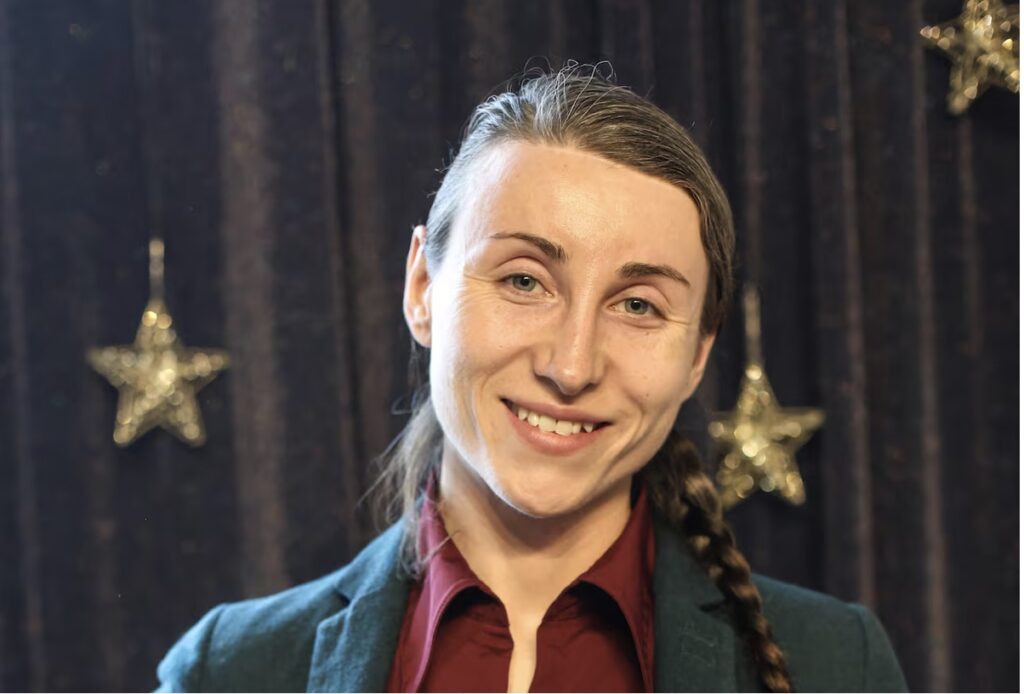
Q1 – In your view, how essential is arts and culture to Hamilton's economic vitality and to the wellbeing and social cohesion of its communities — and how would that view shape your priorities on council?
Arts and culture are essential civic infrastructure. The sector creates employment, supports small businesses and tourism, animates commercial districts and contributes significantly to Hamilton's economy. But its value cannot be measured only through GDP.
Artists, festivals, museums, galleries, music venues and cultural organizations create places where people meet one another, tell their stories and develop a sense of belonging. That matters especially in a city experiencing rapid redevelopment and demographic change.
As Mayor, I would treat arts and culture as part of economic development, downtown revitalization, neighbourhood planning and community wellbeing, and not as an optional expense considered only after other priorities.
I would prioritize sustainable arts funding, affordable cultural space, accessible public programming, support for working artists, and meaningful inclusion of artists in planning decisions that affect cultural districts.
Hamilton's own long-term community vision calls for investment in arts and local artists, vibrant downtowns and year-round cultural activity. I believe our municipal budgets and development decisions should reflect that commitment in practice.
Q2 — Will you commit to reviewing and strengthening the City Enrichment Fund during your term? What approach would you take?
Yes, I would request a comprehensive review of the City Enrichment Fund early in the term, with artists, organizations and sector representatives involved in that process.
Demand for the fund has grown considerably while organizations face higher costs for wages, rent, insurance, materials and programming. A funding system can technically remain stable while the purchasing power of every grant declines.
I would support examining an annual inflationary adjustment, growth tied to demonstrated application demand, and sustainable supplementary revenue sources rather than forcing arts organizations to compete over an effectively shrinking pool. I would also protect and evaluate the City's new multi-year funding model, which can give established organizations greater predictability and reduce administrative burden.
I would examine whether a larger, predictable portion of revenues associated with tourism and major events-including appropriate Municipal Accommodation Tax revenues-could be reinvested in the cultural activity that helps attract visitors in the first place.
Finally, I would want transparent annual reporting showing application demand, amounts requested, amounts awarded, geographic distribution and funding gaps so Council can make informed budget decisions.
Q3 — How would you ensure Hamilton's artists and arts organizations retain affordable, accessible access to cultural space — including space the City itself owns — as downtown development continues?
Hamilton should not allow the artists who helped make neighbourhoods desirable to be priced out once those neighbourhoods succeed. I would support creating a citywide inventory of existing and at-risk studios, rehearsal rooms, performance venues and cultural spaces, including underused City-owned and leased properties.
For municipal venues, I would review rental rates and policies to ensure local nonprofit and grassroots cultural organizations have genuinely affordable access. Public cultural infrastructure should serve the local cultural sector, not become inaccessible to it. I would also explore long-term affordable leases of suitable City properties to nonprofit cultural organizations, partnerships for shared cultural hubs, and incentives or community-benefit arrangements that create cultural space within major redevelopment projects.
Planning matters as well. Hamilton's Official Plan already recognizes that new residential development near existing live-music venues should be designed to reduce noise conflicts. I would defend and strengthen the principle that new development should coexist with established cultural activity rather than displacing it.
Any cultural-space strategy must also address physical accessibility, transit access and affordability so these spaces are usable by both artists and audiences.
Q4 — How would you engage with the artists and arts and culture organizations in your own ward, as well as the broader sector convening through the Hamilton Arts & Culture Collective (HACC), over your term?
I would establish regular, structured engagement with Hamilton's arts and culture sector rather than limiting consultation to budget season.
I would meet with the Hamilton Arts & Culture Collective and other sector representatives early in the term to identify priorities around funding, cultural space, accessibility, downtown redevelopment and municipal processes.
I would support an ongoing arts-and-culture roundtable involving HACC, independent artists, grassroots organizations, cultural workers and representatives from communities that may not be represented by larger institutions. That distinction matters: organizations have important expertise, but individual artists and smaller collectives also need direct access to decision-makers.
Before major changes affecting cultural funding, City-owned venues or cultural districts, I would expect consultation to occur early enough to influence the decision rather than after a proposal is effectively complete.
I would also support publicly reporting what was heard through consultations and what actions followed.
HACC already provides an established forum where arts organizations meet regularly, share information and identify common concerns. City Hall should use that existing community expertise rather than continually rebuilding consultation structures from scratch.
My expectation as Mayor would be simple: maintain the relationship throughout the term, listen before making decisions, and make the results of that engagement visible.
Keanin Loomis
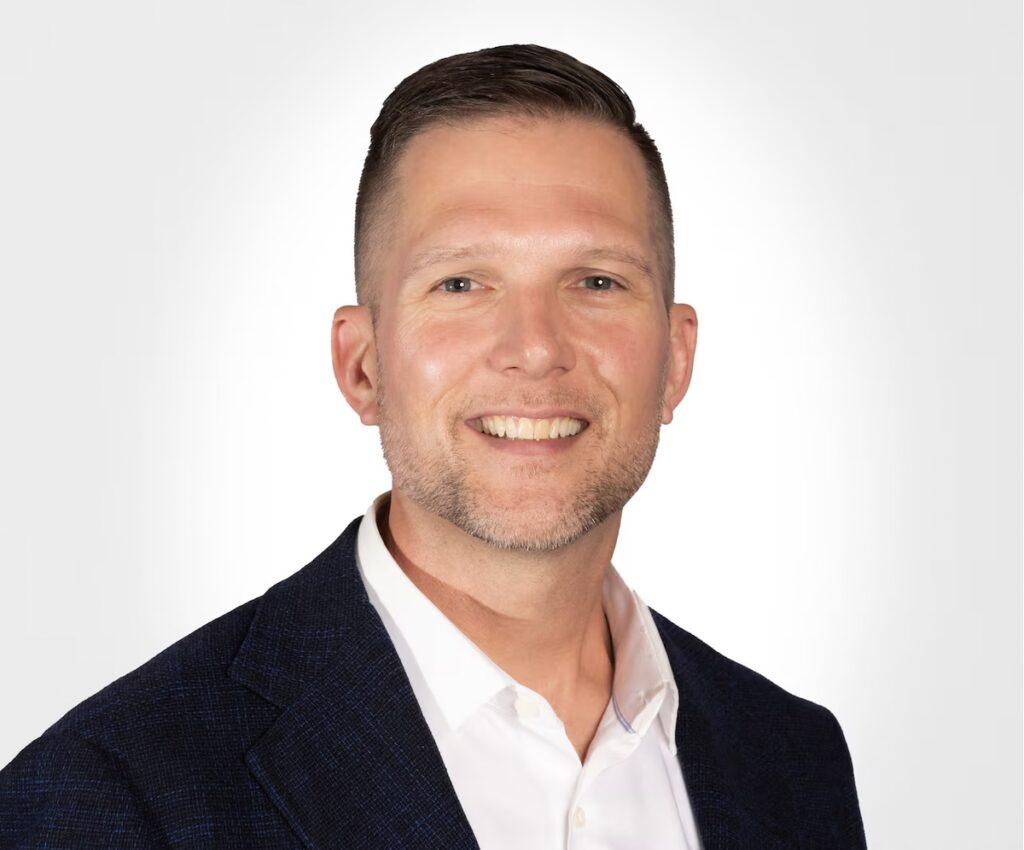
Q1 — In your view, how essential is arts and culture to Hamilton's economic vitality and to the wellbeing and social cohesion of its communities — and how would that view shape your priorities on council?
Arts and culture are absolutely essential to Hamilton’s economic vitality and to the wellbeing and social cohesion of our communities. I would go even further to say that arts and culture are one of Hamilton’s biggest competitive advantages.
I came to Hamilton during the first year of Supercrawl, and it was that energy - the creativity and buzz of the arts community - that got me excited about this city. My first volunteer opportunity here was supporting a film festival. I later had the privilege of serving as Chair of Supercrawl, and throughout my work with the Hamilton Chamber of Commerce, I have consistently championed our arts and culture sector, including partnering on the Hamilton Music Business Study.
I also believe in supporting the arts personally. I’m a season-ticket holder at the Hamilton Philharmonic Orchestra, a regular attendee at Theatre Aquarius, and a long-time parent at the Hamilton Conservatory for the Arts and Theatre Ancaster.
The economic numbers make the case for treating culture as an economic priority, but we also need to recognize the less easily measured returns. A vibrant cultural sector helps build the kind of city where people want to live, work, invest, raise a family and visit.
That would shape my priorities as mayor. I see arts and culture as an integral part of Hamilton’s economic development strategy. That means supporting cultural organizations and artists, strengthening our music and live-performance ecosystems, making it easier to host festivals and cultural events, investing in cultural infrastructure, and ensuring that our neighbourhoods have accessible opportunities to participate in the arts.
Q2 — Will you commit to reviewing and strengthening the City Enrichment Fund during your term? What approach would you take?
I see the City Enrichment Fund as an investment in an essential part of our city, our economy, our communities and our quality of life.
We know Hamilton is facing significant financial pressures at a time when residents are struggling with affordability. My first priority will be getting our finances back on track and making sure property tax increases are manageable for residents.
That said, I will commit to reviewing the City Enrichment Fund and strengthening the program as soon as we can do so. That review will be done in collaboration with the sector, so we can hear directly what is working, where improvements can be made, and how the program can best support Hamilton’s arts and culture community. I will not treat arts and culture as a nice-to-have or an afterthought.
My goal is to build toward a City Enrichment Fund that grows alongside Hamilton’s arts and culture sector. That means understanding our financial constraints, identifying ways to responsibly increase the fund, and ensuring that as demand for arts funding grows, our investment grows with it.
Q3 — How would you ensure Hamilton's artists and arts organizations retain affordable, accessible access to cultural space — including space the City itself owns — as downtown development continues?
City Hall needs to stop making it harder for people to create the spaces Hamilton needs.
I’ve heard from artists and entrepreneurs who have taken a risk, invested their own money and opened venues or studios only to be hit with fees, red tape, confusing permit processes and delays from City Hall that drive up their costs and put their businesses at risk. That’s backwards. If someone is willing to invest in Hamilton’s cultural economy, City Hall should be helping them succeed, not putting up unnecessary barriers.
We should also be looking at creative solutions to the shortage of affordable cultural space. I’d like to explore a “meanwhile lease” approach that allows artists and cultural organizations to temporarily use vacant spaces. Given Hamilton’s own challenges with vacant buildings, I think it’s worth exploring what we can learn from that model and whether something similar could work here.
As mayor, I’d also expect the City to lead by example. If we own cultural space that local artists and organizations can’t afford to use, then something is wrong. I would work with the sector to understand what changes would make those spaces more accessible.
Downtown development should create more opportunities for Hamilton’s arts community — not push it out. My job as mayor would be to make City Hall a partner to Hamilton’s artists and cultural entrepreneurs, not another obstacle standing in their way.
Q4 — How would you engage with the artists and arts and culture organizations in your own ward, as well as the broader sector convening through the Hamilton Arts & Culture Collective (HACC), over your term?
Engaging with Hamilton’s artists and arts and culture organizations is something I’m looking forward to as mayor. I believe the sector has not received the attention it deserves from City Hall leadership, and I want to change that.
Many leaders in the sector know me and know my record of supporting Hamilton’s arts community through my work at the Chamber — whether that meant writing op-eds, delegating at Council, or building partnerships. I’m accessible, collaborative and ready to engage.
As mayor, I would build on those relationships and make engagement a regular part of how my office works. That means maintaining a direct line to artists and organizations across Hamilton, working closely with HACC as a city-wide convening body, and bringing the sector into conversations early, particularly on issues like funding, cultural space, downtown planning and major city-building decisions.
I want you to know you have an open door, a willing partner and a champion at City Hall.
Nathalie Xian Yi Yan

Q1 — In your view, how essential is arts and culture to Hamilton's economic vitality and to the wellbeing and social cohesion of its communities — and how would that view shape your priorities on council?
Arts and culture are essential to Hamilton’s economic vitality and to the wellbeing and social cohesion of our communities. They are not a luxury; they are part of the city’s economic and social infrastructure.
Hamilton’s arts and culture sector generates an estimated $1.29 billion in GDP and supports more than 15,000 jobs. These numbers demonstrate that artists, cultural organizations, festivals, venues, museums, theatres and creative businesses are important contributors to our local economy. But their value goes beyond dollars. Arts and culture bring people together, strengthen neighborhood identity, create opportunities for young people and seniors, support tourism, and help residents feel that they belong.
As Mayor, I would work to make arts and culture a stronger part of Hamilton’s overall economic and community strategy. My priorities would include protecting and expanding affordable cultural spaces, supporting local artists and organizations, encouraging film and creative-media production, improving access for children and youth, and strengthening partnerships among the City, cultural institutions, businesses, schools and community organizations.
I also believe Hamilton should tell its own stories to Canada and the world. Our industrial heritage, diverse communities, immigrant experiences and creative talent provide extraordinary material for film, theatre, music, visual arts and other forms of storytelling.
My vision is a Hamilton where culture creates jobs, attracts visitors and investment, strengthens community connections, and gives every generation a reason to be proud of where they live.
Q2 — Will you commit to reviewing and strengthening the City Enrichment Fund during your term? What approach would you take?
Yes. I will commit to reviewing and strengthening the City Enrichment Fund during my term as Mayor.
A funding program cannot remain effectively frozen while demand continues to grow. If applications have increased from approximately 335 in 2021 to roughly 475 in 2025, the City should recognize that the cultural sector is being asked to accomplish more with the same limited resources.
My first step would be a transparent review of the Fund’s funding level, application process, eligibility criteria, approval rates and unmet demand. I would work with artists, cultural organizations, City staff, Council and the broader community to establish a sustainable multi-year funding strategy.
I would seek to increase the Fund progressively as the City’s fiscal position permits, while also exploring new partnerships with the private sector, foundations and other levels of government. I would also examine whether multi-year funding can provide greater stability for organizations that demonstrate strong community and economic impact.
Importantly, strengthening the Fund should not mean simply distributing more money. We should ensure that public investment reaches a broad range of Hamilton communities, supports emerging and established organizations, encourages youth participation, improves accessibility, and generates measurable cultural, social and economic benefits.
As Mayor, I would treat arts and culture as an investment in Hamilton’s future—not merely another expense in the municipal budget. A growing city needs a growing cultural ecosystem, and our funding mechanisms should reflect that reality.
Q3 — How would you ensure Hamilton's artists and arts organizations retain affordable, accessible access to cultural space — including space the City itself owns — as downtown development continues?
Affordable cultural space is essential community infrastructure, not a luxury.
As Mayor, I would make the protection and creation of affordable studio, rehearsal, performance and exhibition space an important part of Hamilton’s downtown planning and redevelopment strategy. When the City owns cultural or community space, it should remain accessible to the artists and organizations that serve our community. Publicly owned space should serve the public.
I would begin with a comprehensive review of City-owned and underused properties to identify opportunities for affordable cultural use. I would also review rental rates and access policies, with the goal of providing cost-recovery or below-market rates where appropriate, together with longer-term agreements that give local organizations stability.
For major redevelopment projects, I would encourage the City to use available planning tools and partnerships to secure dedicated cultural space and prevent the loss of existing affordable space. I would also promote partnerships among the City, developers, arts organizations, schools and community groups to create shared studios, rehearsal facilities, galleries and performance spaces.
Accessibility must include affordability, physical accessibility and equitable access for emerging artists, youth, seniors, newcomers and established organizations.
Hamilton can grow without losing the artists and cultural organizations that give our city its identity. As Mayor, I would make affordable cultural space part of our long-term development strategy—not an afterthought.
Q4 — How would you engage with the artists and arts and culture organizations in your own ward, as well as the broader sector convening through the Hamilton Arts & Culture Collective (HACC), over your term?
I believe meaningful engagement begins with listening, respect and ongoing communication—not only consultation when a major decision is already being made.
As Mayor, I would establish regular dialogue with artists, arts organizations and the Hamilton Arts & Culture Collective (HACC), including scheduled meetings with representatives of the sector to discuss funding, affordable space, downtown planning, accessibility and other emerging issues.
I would also encourage direct engagement with artists and organizations at the ward level, recognizing that Hamilton’s cultural needs are not the same in every neighborhood. I would seek input from both established institutions and smaller, emerging and independent artists, ensuring that voices with fewer resources are not overlooked.
Where appropriate, I would invite HACC and sector representatives to participate early in the development of policies and major municipal decisions affecting arts and culture. I would also support transparent follow-up: when the City receives recommendations from the sector, the community should know what actions will be taken, what cannot be done, and why.
I would work with HACC, City staff, Council, educational institutions, businesses and community organizations to identify opportunities for partnerships and measurable improvements.
As Mayor, my goal would be to build a relationship based on continuous communication, practical collaboration and accountability. Hamilton’s artists and cultural organizations should not simply be asked for their opinions; they should be active partners in shaping the city’s cultural future.
Councillor Candidates, by Ward
Click on a link to scroll directly to your ward
WARD 1
WARD 2
WARD 3
WARD 4
WARD 5
WARD 6
WARD 7
WARD 8
WARD 9
WARD 10
WARD 11 (no responses received)
WARD 12 (no responses received)
WARD 13
WARD 14
WARD 15
Ward 1 Candidates
Mark Powell
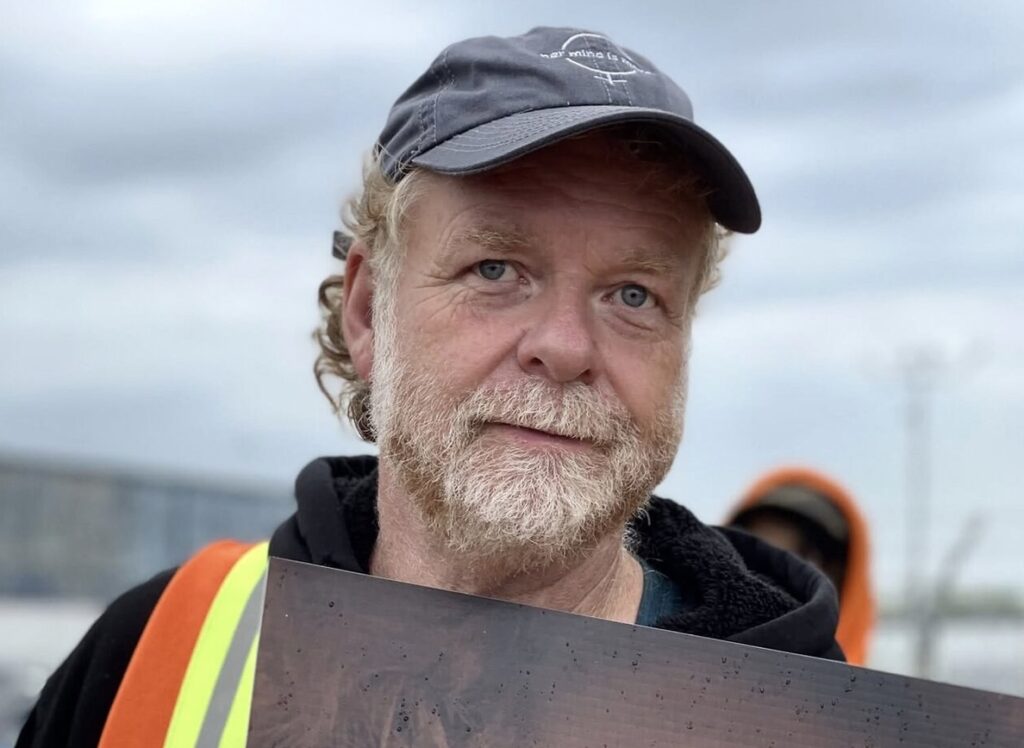
Q1 — In your view, how essential is arts and culture to Hamilton's economic vitality and to the wellbeing and social cohesion of its communities — and how would that view shape your priorities on council?
I believe arts and culture are essential to Hamilton's growth - the Art Crawl is only one recent example of how a monthly arts driven event can have a transformative impact on an area.
If I am elected to council, I will focus on sustaining current municipal programs rather than making cuts - it is hard to deny we are facing financial uncertainty at City Hall, but it will be important to remain committed to our Arts and Culture investments.
Q2 — Will you commit to reviewing and strengthening the City Enrichment Fund during your term? What approach would you take?
I will commit to reviewing and strengthening the fund; but that will take time. One of my first priorities will be to identify wasteful spending at City Hall, which is a well known issue. We will find the funds to bolster our programs through that effort, and I will make sure the City Enrichment Fund is one of the first discussed and made a top priority.
Q3 — How would you ensure Hamilton's artists and arts organizations retain affordable, accessible access to cultural space — including space the City itself owns — as downtown development continues?
One of my personal goals during my term on Council will be to propose further investment into City Housing, including more high density, mixed used facilities - especially in wards that don't already have them. I would ensure portions of these developments are earmarked for arts development spaces; whether they be classrooms or specialized studios (as just two examples) would be based on the location of those developments and how it would best suit that community.
Q4 — How would you engage with the artists and arts and culture organizations in your own ward, as well as the broader sector convening through the Hamilton Arts & Culture Collective (HACC), over your term?
I would engage with them openly and hope to include them in the conversation regarding most projects within my Ward. My first priority if I am elected is to establish a more transparent, accessible, and courteous Ward 1 Office.
I would actively encourage the HACC to create proposals related to beautifying existing and new public facilities, in the many ways they can. Ideally we would work together to promote engagement with the community on these projects so that everyone in Ward 1 can feel like they are contributing to making our spaces more vibrant and welcoming.
We can't just throw up murals and shrubbery and say we're serving the arts community though. I would hope to engage with the whole Ward 1 arts community, and direct more of our constituents, young and old, into galleries and theatres all over the Ward. I would direct my office to support the local arts community by any means we can, through our online platforms, newsletters, and monthly community reports. We can even be creative and look to New York, where City Hall is actively investing into the local arts and giving out tickets to galleries, shows, and events so that people of all walks of life can participate in the arts.
Nathan Savelli
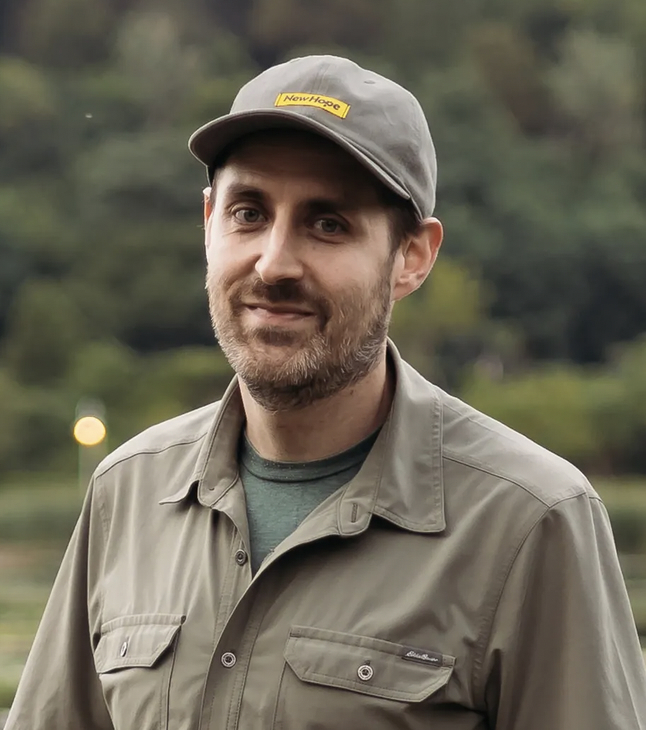
Q1 — In your view, how essential is arts and culture to Hamilton's economic vitality and to the wellbeing and social cohesion of its communities — and how would that view shape your priorities on council?
As a lifelong Hamiltonian and lover of the arts, if one thing is clear to me it is that the city has an extraordinarily creative community. I believe that investing in culture helps to make Hamilton a stronger, more connected, and more vibrant city.
I view arts and culture are essential to Hamilton's economic vitality, quality of life, and sense of community. We need to view arts and culture not merely as an optional extra, but as core civic infrastructure.
The numbers speak for themselves, and the economic impact of the arts and culture sector are substantial. One needs only to look at events like Supercrawl, to see that arts and culture attract visitors, support local businesses, create jobs, and help attract and retain residents, workers, students, and entrepreneurs. All this economic activity generates broader benefits for Hamilton, including supporting the tax base that allows us to invest in infrastructure and other essential municipal services.
The value of the arts and culture sector of course goes beyond economics though. We know that cultural spaces and creative activity give people opportunities to participate, connect across differences, tell their stories, and build a stronger sense of belonging.
If elected, I would advocate for treating arts and culture as important components of economic development and community planning. In practice this would like look supporting sustainable funding for organizations, protecting affordable cultural space, incorporating arts and culture into neighbourhood revitalization, and ensuring major municipal decisions consider their cultural and community impacts.
Q2 — Will you commit to reviewing and strengthening the City Enrichment Fund during your term? What approach would you take?
Yes. I would commit to reviewing and strengthening the City Enrichment Fund during my term because the increase in applications is a strong indicator that more support is needed. My experience working in the non-profit sector tells me that without the necessary funding organizations are forced to make difficult decisions about staffing, programming cutbacks, and even their long-term sustainability.
Some of the actions I would take include strengthen the fund include:
• Advocate to have the funding provided scaled to inflation each year.
• Work with City staff, art and culture workers, and other members of Council to find creative ways to increase the fund without putting the entire cost on the property-tax levy. For example: Explore directing a portion of new revenues generated through economic and tourism growth towards arts and culture.
We know that support for arts organization help our local economy and community by providing employment, contributing to our tourism industry, beautifying public spaces, and stimulates the local economy. I think ultimately that we should be viewing the enrichment fund as an investment and not just an expense. I don’t think it’s reasonable or realistic to ask our cultural organizations to do more every year with less. We need the investment to reflect the economic and social value of the sector.
Q3 — How would you ensure Hamilton's artists and arts organizations retain affordable, accessible access to cultural space — including space the City itself owns — as downtown development continues?
I think we need to ensure that development and culture are treated as complementary and not competing priorities. A downtown which has both development and the arts is best positioned to succeed, and a thriving and vibrant downtown only exists if there is a strong arts and cultural organization presence.
A few actions I would take to ensure Hamilton's artists and arts organizations retain affordable, accessible access to cultural space (including space the City self owns) include:
• Support a municipal strategy aimed at protecting and expanding affordable cultural space, including studios, rehearsal rooms, galleries, and performance venues.
• Review City-owned properties and venues to determine whether their pricing, leasing practices, and availability are supporting the City's cultural objectives.
• Support exploring below-market leases of City owned space to artists and art organization.
• Support shared-use arrangements of the City-owned cultural facilities.
• Advocate to incorporate cultural spaces into major development projects.
• Work to ensure that spaces provided are accessible and supported by transit.
While ensuring that Hamilton artist retain affordable, accessible access to cultural space downtown, I also think it is important that we make space for artists and arts organizations in all neighbourhoods throughout the city. I believe that Hamilton should be a city where artists can afford to create, organizations can afford to operate, and residents can afford to experience culture.
Q4 — How would you engage with the artists and arts and culture organizations in your own ward, as well as the broader sector convening through the Hamilton Arts & Culture Collective (HACC), over your term?
I think the best way to really understand what barriers both established and emerging arts face is by getting to know the artists, community groups, venues, and cultural organizations in Ward 1. Over my term, I’d like to establish a direct line of communication and personally get to know as many artists and individuals working in the industry as possible. I would like to organize opportunities for artists to meet with me and discuss their concerns directly. I feel it is important that artists and cultural organizations have a meaningful way to voice their perspectives on decisions affecting their ability to create, operate, and contribute to our city.
Engaging regularly with the Hamilton Arts & Culture Collective (HACC) would also be important to me; on issues such as funding, cultural space, downtown planning, and municipal policy, HACC’s ability to communicate collectively on behalf of the sector to Council is crucial.
In my opinion, Hamilton's art and culture communities are assets worth celebrating and I would like Ward 1 and the broader city to benefit from their creativity.
Ward 2 Candidates
Eisham Abdulkarim
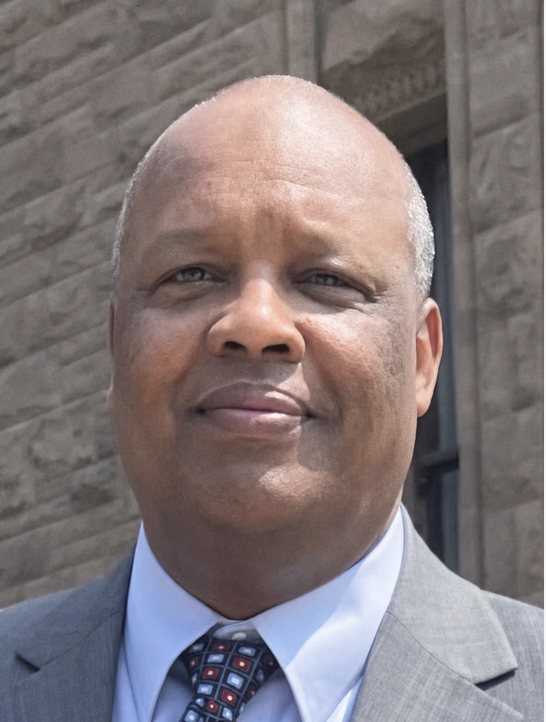
Q1 — In your view, how essential is arts and culture to Hamilton's economic vitality and to the wellbeing and social cohesion of its communities — and how would that view shape your priorities on council?
Arts and culture are essential to Hamilton’s economic vitality and to the strength of our communities. In Ward 2 especially, artists, galleries, music venues, festivals and cultural organizations help bring people downtown, support local businesses, create employment and contribute to the identity that makes Hamilton distinctive. But their value goes beyond economics. Arts and culture create places where people from different backgrounds and generations meet, participate and feel that they belong. That strengthens community wellbeing and social cohesion. On Council, I would therefore treat arts and culture as part of our broader approach to economic development, downtown revitalization and community wellbeing—not as an isolated budget item. That means protecting affordable cultural space, reviewing whether City-owned facilities are genuinely accessible to local organizations, supporting a sustainable City Enrichment Fund, and ensuring artists and cultural organizations have a meaningful voice when decisions about downtown development are being made. My approach would be practical: protect the cultural assets we already have, remove barriers to participation, and measure whether City investments are actually helping local artists, organizations and neighbourhoods thrive.
Q2 — Will you commit to reviewing and strengthening the City Enrichment Fund during your term? What approach would you take?
I would commit to reviewing and strengthening the City Enrichment Fund. Demand for the program is clearly growing faster than available resources. For 2026, the City received 565 applications requesting approximately $12.6 million, while approximately $7 million was ultimately allocated. That tells us we need to examine both the sustainability of the fund and how available dollars are distributed. I would support a review of funding levels, eligibility and outcomes, with particular attention to smaller and emerging organizations that may lack the administrative capacity of larger institutions. I would also examine multi-year funding where appropriate, so established organizations can plan instead of facing unnecessary annual uncertainty. The City is already using a multi-year funding pilot for qualifying CEF recipients, so Council should evaluate its results before determining whether it should be expanded.
Q3 — How would you ensure Hamilton's artists and arts organizations retain affordable, accessible access to cultural space — including space the City itself owns — as downtown development continues?
Downtown redevelopment should create opportunities for Hamilton’s cultural community, not gradually price it out. I would begin with the assets the City already controls. I would support an inventory and review of City-owned cultural, meeting, rehearsal and performance spaces, including their rental rates, utilization and accessibility. If publicly owned space is routinely unaffordable to the local organizations it is supposed to serve, Council should examine the pricing model. For new downtown development, I would want cultural-space needs considered earlier in planning and redevelopment discussions rather than after artists have already been displaced.
Q4 — How would you engage with the artists and arts and culture organizations in your own ward, as well as the broader sector convening through the Hamilton Arts & Culture Collective (HACC), over your term?
At the Ward 2 level, I would include artists, venues and cultural organizations in the community engagement structure I intend to establish, including my proposed Ward 2 Community Roundtable. That gives the sector a regular avenue to identify problems involving affordability, City processes, public space, safety, events and downtown development. City-wide, I would maintain an ongoing working relationship with the Hamilton Arts & Culture Collective and other sector organizations. I would seek structured discussions during the term, particularly before major decisions affecting arts funding, cultural facilities and downtown planning.
Cameron Kroetsch
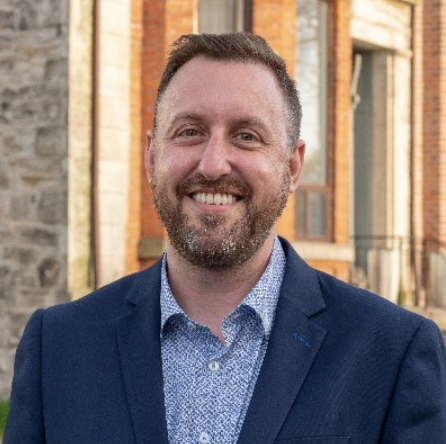
Q1 — In your view, how essential is arts and culture to Hamilton's economic vitality and to the wellbeing and social cohesion of its communities — and how would that view shape your priorities on council?
Arts and culture builds communities with a strong sense of solidarity, common goals, and care. Artists and art engage communities in critical dialogue that asks us all to think about one another, how we live in this world together, and what needs to happen to make it better. I care deeply about arts and culture in Hamilton. It's why I prioritized joining the boards of the Art Gallery of Hamilton and Theatre Aquarius when I was first elected and why I started the Ward 2 Community Grants program to help not for profit organizations, including many arts organizations, to deliver programming and events downtown. Art matters.
Q2 — Will you commit to reviewing and strengthening the City Enrichment Fund during your term? What approach would you take?
I will definitely commit to reviewing and strengthening the City Enrichment Fund and, during the budget process, tabled a motion to increase the funding. Unfortunately, my Council colleagues did not support the motion, but that will not stop me from bringing it forward again if I'm reelected. As Vice Chair of the Grants Sub-Committee, responsible for the City Enrichment Fund, I intend to work with staff to help make things easier for organizations who apply and to strengthen funding for the arts.
Q3 — How would you ensure Hamilton's artists and arts organizations retain affordable, accessible access to cultural space — including space the City itself owns — as downtown development continues?
I've been a strong advocate for ensuring that City spaces are used by the public at as low a cost as possible, and I'll continue to do so. I've advocated for better lease agreements with our partners and favourable access agreements for community organizations. In this term, I allocated $700,000 to improving a performing space in Ward 2's North End so it was accessible to all and the audio and visual equipment was updated so it could be used more easily. I also made space available to local artists at a lower cost and hired them to perform at my community meetings and town halls. As development in our downtown continues, we need to find ways to prioritize space for artists and arts organizations, which is why I supported the Art Gallery of Hamilton's plan to build affordable artist space and the vision for The Music Hall to not only create a new music venue but to offer space for organizations to call home.
Q4 — How would you engage with the artists and arts and culture organizations in your own ward, as well as the broader sector convening through the Hamilton Arts & Culture Collective (HACC), over your term?
I've engaged with nearly every arts organization downtown, have attended HACC, and am keenly aware of the challenges artists and arts organizations face. In the next term, I'm considering starting a downtown steering committee with arts organizations in order to try to coordinate some of the larger issues and see what can be done to help strengthen the arts community.
Tony Sciara
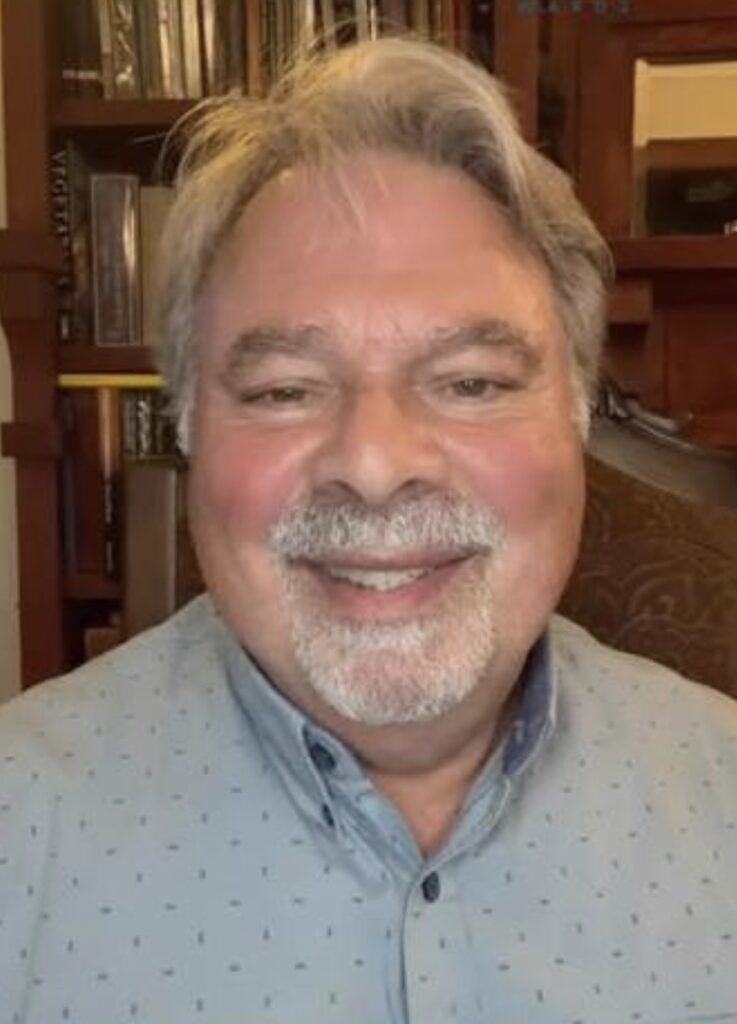
Q1 — In your view, how essential is arts and culture to Hamilton's economic vitality and to the wellbeing and social cohesion of its communities — and how would that view shape your priorities on council?
I think arts and culture are essential to Hamilton's economic vitality and to the quality of life in our communities. I want to see us support local artists, musicians, theatres, festivals and cultural organizations, while making sure taxpayers are getting value for public dollars. Hamilton already recognizes culture as part of economic-development. Arts and culture are part of building a stronger Hamilton, economically, socially and culturally.
Q2 — Will you commit to reviewing and strengthening the City Enrichment Fund during your term? What approach would you take?
I would commit to reviewing and strengthening the City Enrichment Fund. I've spent many years in the arts, so I understand the value, but I also understand that we're dealing with taxpayers money. I'd look at the growing demand, the economic and community impact, and weather the funding is reaching the organizations that need it most. If the evidence supports additional funding I'd make a case for it. And I'd want clear accountability and measurable results for every dollar we provide.
Q3 — How would you ensure Hamilton's artists and arts organizations retain affordable, accessible access to cultural space — including space the City itself owns — as downtown development continues?
I understand how important affordable space is. We can't say we're revitalizing downtown while pushing out the people who helped build it's character. I'd look hard at City owned spaces, make sure we're charging reasonable rates and find ways to protect rehearsal, studio and performance space.
Q4 — How would you engage with the artists and arts and culture organizations in your own ward, as well as the broader sector convening through the Hamilton Arts & Culture Collective (HACC), over your term?
I know the people in this sector and I understand the challenges they face. In Ward 2, I'd meet with our local artists and organizations regularly to see what they actually need. And I'd make sure HACC has a direct line to me at Council. I don't want to just hear from the arts community when there's a problem. I want an on going conversation, so we can work together and get things done.
Bernard Tompkins
Q1 — In your view, how essential is arts and culture to Hamilton's economic vitality and to the wellbeing and social cohesion of its communities — and how would that view shape your priorities on council?
I believe that Hamilton was once, and still is, known as the Steel City, but our culture and arts districts have grown and created a community and culture of their own. I know that events such as Art Crawl bring in revenue for independent artists and small and large business owners, while creating jobs and growing our economy.
At a time when our dollar doesn’t go as far as it should, art is something that has been bringing our communities together and attracting tourism to our city.
I believe we should continue to build on what has already been created. On Council, I would support arts and cultural initiatives that can demonstrate benefits to the community, whether through economic activity, tourism, jobs, stronger neighbourhoods or bringing people together. At the same time, I believe public funding should be accountable and focused on programs that produce measurable results.
Q2 — Will you commit to reviewing and strengthening the City Enrichment Fund during your term? What approach would you take?
I would review the City Enrichment Fund and look at what value we are actually getting from it. If the value is there and we can show that these programs are bringing people together, supporting local businesses, creating jobs or bringing people into Hamilton, then I don’t see why we wouldn’t continue to support them.
My pledge will be to commit to review and strengthen the fund to ensure that it’s accountable and providing returns for our communities, the review will tell me if the fund needs to be restructured , continued, or increased. My vote would reflect this review.
Q3 — How would you ensure Hamilton's artists and arts organizations retain affordable, accessible access to cultural space — including space the City itself owns — as downtown development continues?
The city should invest in initiatives that will show results, build communities, create jobs, bring tourism. We should direct these originations toward funding to support their goals. We should be able to offer discounts at our own facilities to support when appropriate but not at a loss.
Q4 — How would you engage with the artists and arts and culture organizations in your own ward, as well as the broader sector convening through the Hamilton Arts & Culture Collective (HACC), over your term?
I will to sit and listen to organizations, learn how the city can become partners, and help grow our arts and culture communities while ensuring accountability of funding.
Ward 3 Candidates
Christine Cayuga
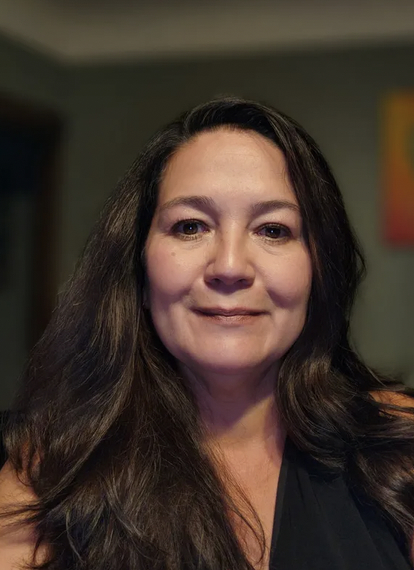
Q1 — In your view, how essential is arts and culture to Hamilton's economic vitality and to the wellbeing and social cohesion of its communities — and how would that view shape your priorities on council?
Arts and culture are essential to Hamilton’s economy and the wellbeing of our communities. They support local jobs and businesses, attract visitors, celebrate our diversity, and bring people together. As Councillor, I would support responsible investment in local artists, cultural organizations and community events, while ensuring opportunities are accessible across neighborhoods, including Ward 3.
Q2 — Will you commit to reviewing and strengthening the City Enrichment Fund during your term? What approach would you take?
Yes. I would support reviewing the City Enrichment Fund to ensure it is keeping pace with community needs while remaining financially responsible. I would look at funding levels, growing demand, accessibility of the application process, and how funds are distributed. Any increase should be considered transparently through the budget process, with clear outcomes and accountability for taxpayers residents of Hamilton
Q3 — How would you ensure Hamilton's artists and arts organizations retain affordable, accessible access to cultural space — including space the City itself owns — as downtown development continues?
I would work to help protect affordable and accessible cultural spaces for the long term, not just provide temporary solutions. This means reviewing fees for City-owned venues, exploring long-term leases and predictable community rates, and considering affordability protections when City properties are sold, leased or redeveloped. I would also support partnerships that create permanent studio, rehearsal and performance spaces. As Hamilton grows, we need to ensure the artists and organizations that contribute to our city’s identity are not priced out.
Q4 — How would you engage with the artists and arts and culture organizations in your own ward, as well as the broader sector convening through the Hamilton Arts & Culture Collective (HACC), over your term?
I would maintain open and regular communication with artists and cultural organizations in Ward 3, while also engaging with HACC on city-wide issues. I would listen to their concerns, attend community and sector meetings, and ensure their perspectives are considered in decisions about funding, affordable space and development. Arts organizations should have a meaningful voice in decisions that affect their/our future.
Christopher De Melo
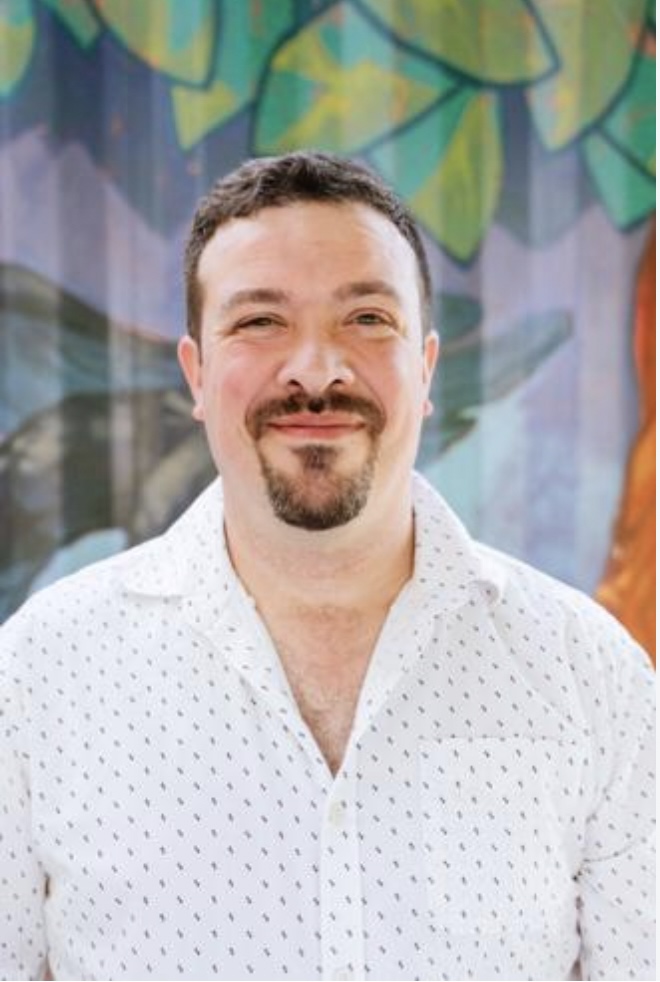
Q1 — In your view, how essential is arts and culture to Hamilton's economic vitality and to the wellbeing and social cohesion of its communities — and how would that view shape your priorities on council?
I think arts and culture play a integral role in Hamilton, both as an economic driver (9-11% of total city economy), and social cohesion (giving outlets to creatives and youth). I aim to continue support the arts as long as it continues to check those two boxes above.
Q2 — Will you commit to reviewing and strengthening the City Enrichment Fund during your term? What approach would you take?
I'm always up for reviewing and strengthening the city enrichment fund as long as a case can be made that they can be supported either economically or a social good like social cohesion. I'd look to see if we can encourage other models of supporting (private, subscription, etc) the arts in the city to help alleviate any lacking arts funding.
Q3 — How would you ensure Hamilton's artists and arts organizations retain affordable, accessible access to cultural space — including space the City itself owns — as downtown development continues?
I would commit to retain affordable access to culture space with mixed use agreements with new developments and existing locations. I've seen how arts spaces fail (32 lisgar in toronto) and would like to avoid that.
Q4 — How would you engage with the artists and arts and culture organizations in your own ward, as well as the broader sector convening through the Hamilton Arts & Culture Collective (HACC), over your term?
I have an open door policy to allow anyone to come see and pitch ideas for all things ward related. As for HACC, I reach out and find from them what is the best way to find partnerships going forward.
Nrinder Nann
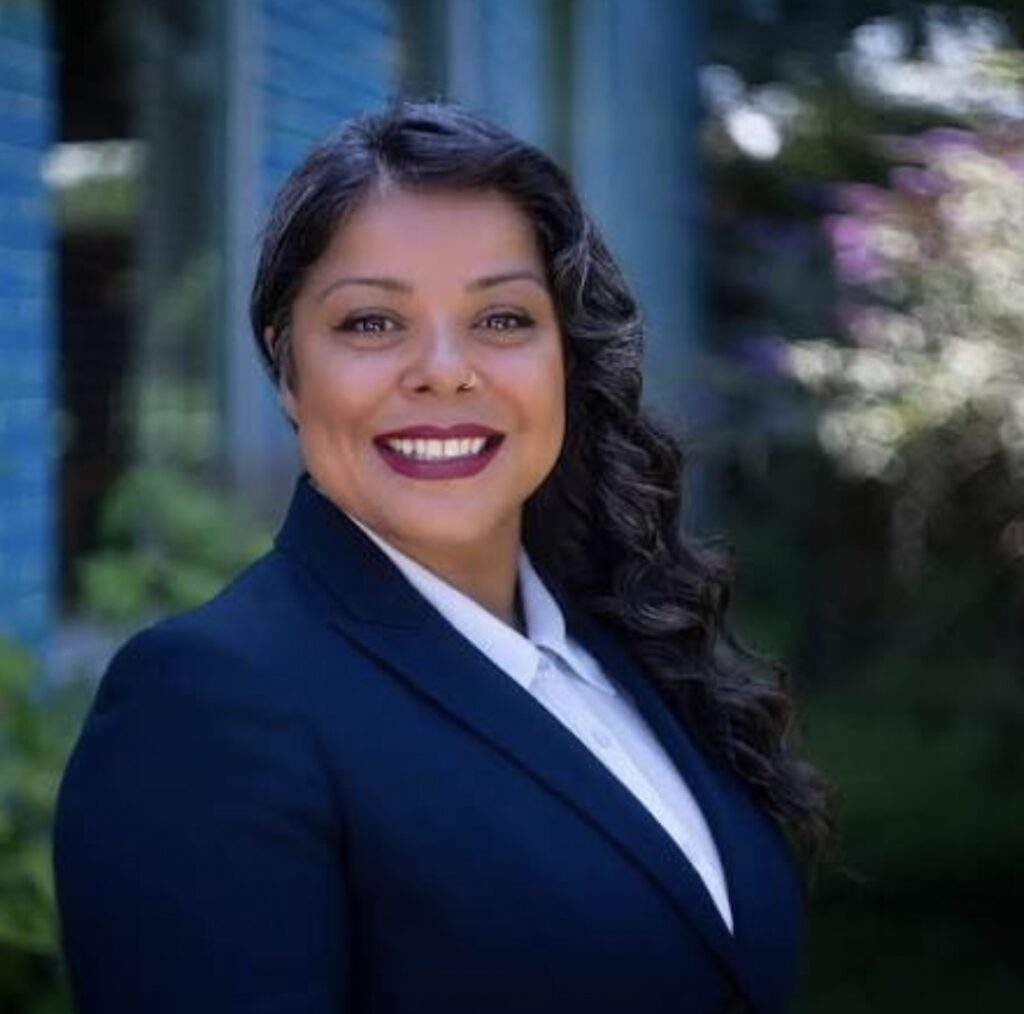
Q1 — In your view, how essential is arts and culture to Hamilton's economic vitality and to the wellbeing and social cohesion of its communities — and how would that view shape your priorities on council?
Arts and culture are incredibly essential to Hamilton’s economic vitality. Some sectors have the ability to create jobs, enable cultural workers to become trained, certified and part of guilds or unions that then generate further work for cultural sector workers, like in the film and music industry. More than that, the creative expression that comes with arts and culture is how we connect in community, how we tell our stories and document our struggles and human experience. The value arts and culture bring to our society is so much higher than just the economic return on investment.
Q2 — Will you commit to reviewing and strengthening the City Enrichment Fund during your term? What approach would you take?
Yes. As Chair of the Grants Sub Committee this term and as a Sub Committee member in my first term, I moved the motion to bring an equity framework to the City's granting program and supported a motion to annualize increases to the program pot until it reached a more sustainable sum to meet the demand. Te result has meant more divers artists and cultural organizations that didn't used to access CEF, have been successful in their applications. As we have seen applications to the fund increase, it is has become harder to provide meaningful funding to those that rely on it. Balancing increases to the fund with pressure the property tax base remains the challenge many Members of Council struggle with. A review and strengthening of the CEF fund is needed and if re-elected, I will move a motion to direct staff to take this on and report back recommendations to address needs, contemplate sustainable funding sources that are not reliant on property taxes alone.
Q3 — How would you ensure Hamilton's artists and arts organizations retain affordable, accessible access to cultural space — including space the City itself owns — as downtown development continues?
I have consistently taken the position that development in the downtown and the lower City needs to ensure we are not pricing out the residents who already live and work there. A vibrant downtown includes businesses that cater to a variety of needs, mixed-income housing, and arts and culture. In order to maintain that, we do need to ensure artists and arts organizations can afford to maintain their residents and work spaces in the lower City.
Specific things I would pursue as a Councillor with the local arts community:
- City-owned venues to set aside hours and rates for local artists and smaller arts & cultural organizations/groups to be able to access.
- Should the vision for the Downtown United Church continue to be supported, I look forward to it providing a solution to venue space in the downtown.
- City Housing Hamilton or other Hamilton Is Home coalition partners need to consider project scoping co-locating arts venues with affordable housing when bringing proposals to Build Canada Homes and other federal capital housing funding programs.
Q4 — How would you engage with the artists and arts and culture organizations in your own ward, as well as the broader sector convening through the Hamilton Arts & Culture Collective (HACC), over your term?
I am proud of the collaboration and work I have done with the Hamilton Arts and Culture Collective over the past 8 years and look forward to continuing that in my next term. I have invested over $418,000 in the second term alone toward public art and placemaking. A portion of that is through the Ward 3 Community and Resilience granting program. I have been able to provide needed funds to small organizations and artists directly to build community through their art in Ward 3. Should I be re-elected, I will continue to invest these non-property tax revenue discretionary funds toward these initiatives.
Graham Schreiber
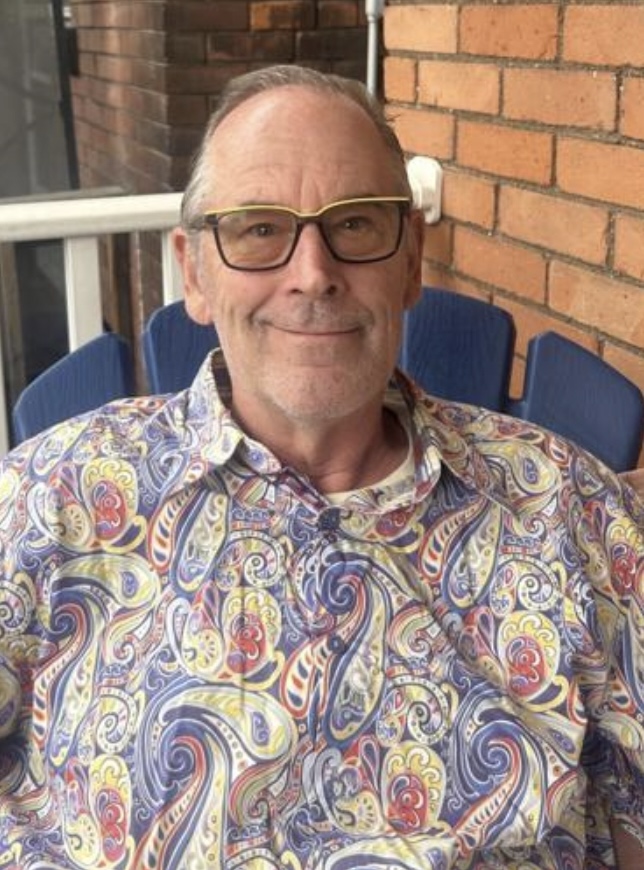
Q1 — In your view, how essential is arts and culture to Hamilton's economic vitality and to the wellbeing and social cohesion of its communities — and how would that view shape your priorities on council?
I am working with the gentleman who ran the Burlington Sound of Music Festival, until 8 to 10 years ago and intend to replicate it ( with a new name ) at our stadium, in the heart of Ward 3.
And ….. more
Q2 — Will you commit to reviewing and strengthening the City Enrichment Fund during your term? What approach would you take?
Notwithstanding renting the space, at the stadium for a reasonable price, I would not seek Taxpayers money.
I think there are corporations & people who would fund the project, given it’s objective will be to raise money for great institutions and services, in our community.
Q3 — How would you ensure Hamilton's artists and arts organizations retain affordable, accessible access to cultural space — including space the City itself owns — as downtown development continues?
Hamilton’s downtown is littered with dangerous and decaying buildings and I’ve posted ( with delicacy ) that they’d be expropriated, demolished and replaced.
4 or 5 floors to each existing floor currently at the location.
With more Office, Retail & Residential space becoming available, there will be space for the arts.
I’m a supporter of the arts, my daughter was raised in competitive dance and the arts is an excellent source of life skills education for children, so I’ll do whatever it takes, to ensure our local children have access to what children in richer communities have access to.
Q4 — How would you engage with the artists and arts and culture organizations in your own ward, as well as the broader sector convening through the Hamilton Arts & Culture Collective (HACC), over your term?
I’d engage as I did with Jayce’s or Rotary, preparing an event. Meet, chat, determine goals and venture forth to accomplish them.
Whatever it takes to make it happen, works for me. Working hard to avoid aggravating Red Tape.
Kristeen Sprague
Q1 — In your view, how essential is arts and culture to Hamilton's economic vitality and to the wellbeing and social cohesion of its communities — and how would that view shape your priorities on council?
Hamilton is a city rich in arts and culture. It is very important that we continue to support this sector of our community. I believe arts and culture helps to unite our families and our community, and brings in revenue from neighbouring communities. I would like to see more community street festivals, as well as making venue events more accessible/affordable for lower income families.
Q2 — Will you commit to reviewing and strengthening the City Enrichment Fund during your term? What approach would you take?
Yes. I would look into this matter and look for other sources of funding besides the property tax levy.
Q3 — How would you ensure Hamilton's artists and arts organizations retain affordable, accessible access to cultural space — including space the City itself owns — as downtown development continues?
I would consider looking at City planning to allocate space in new developments for the arts sector. Also look at existing city owned space that could be better utilized. I would like to see more arts and music space in Ward 3.
Q4 — How would you engage with the artists and arts and culture organizations in your own ward, as well as the broader sector convening through the Hamilton Arts & Culture Collective (HACC), over your term?
Yes. I would be interested in meeting with the HACC to see how Ward 3 could help them to achieve their goals.
Ward 4 Candidates
Jason Farr
Q1 — In your view, how essential is arts and culture to Hamilton's economic vitality and to the wellbeing and social cohesion of its communities — and how would that view shape your priorities on council?
It is very essential. I strongly support enhancing our sector and appreciate the value arts and culture brings. As past Councillors who led the charge on doubling arts funding in my time and who has sat on Arts Advisory Commission
Hamilton Arts Council Board of Directors
Art Gallery of Hamilton Board of Directors
Theatre Aquarius Board of Directors as Councillor in the past. I also championed a stronger and more fair Grants (now City Enrichment Fund) process and contributed Area Rating dollars to various groups to address capital needs.
Q2 — Will you commit to reviewing and strengthening the City Enrichment Fund during your term? What approach would you take?
Yes. I believe the concept was watered down over the years since its institution. We (Council) need to maintain a fair and impartial process. The former Grants process was far too influenced by Councillors who would have their own preferences and this led to other deserving organizations and events being less successful in that process. I will commit to a review and hope to get us back on track.
Q3 — How would you ensure Hamilton's artists and arts organizations retain affordable, accessible access to cultural space — including space the City itself owns — as downtown development continues?
In the past as the Councillor for Ward 2 we instituted various new concepts. We developed artist apartments on King Street above Mills Hardware and operated by City Housing Hamilton, created new programming spaces like Bridgeworks (transforming the former City Carpenters warehouse on Caroline North) and the St Marks Church on Bay and Hunter. I one case, I attempted an artist co-op and pop ups opportunities for artists to be included in the Tivoli redevelopment. We have the spaces and should encourage more growth with outside the box planning and engagement with the arts and culture community.
Q4 — How would you engage with the artists and arts and culture organizations in your own ward, as well as the broader sector convening through the Hamilton Arts & Culture Collective (HACC), over your term?
I would continue to meet with our arts community in Ward 4. Ottawa street is taking off. Kenilworth provides amazing opportunities. I have seen first had how artists can transform a neighbourhood from both aesthetically and economically. I truly feel that my past and current strong and supportive rapport with the arts community will be a great advantage to both sides. There are wonderful mutually beneficial opportunities out there. I would engage under the theory that Arts and Culture organization know their needs best and work with them from there.
Tammy Hwang

Q1 — In your view, how essential is arts and culture to Hamilton's economic vitality and to the wellbeing and social cohesion of its communities — and how would that view shape your priorities on council?
Arts and culture are vital pillars of Hamilton's success, driving both our economic vitality and community wellbeing. As a diversified economy, many different industries in Hamilton sustain and enrich our residents and the cultural economy is an essential part of that mix. When we invest in arts and culture, we're investing in our local economy that supports the livelihoods of hardworking Hamiltonians while creating the unique variety and amenities that make our city vibrant. A thriving arts community directly enhances our overall quality of life, acting as a powerful magnet for attracting and retaining top talent to keep our business environment competitive and dynamic. Furthermore, a robust cultural sector provides young people with well-rounded educational and creative opportunities that enrich their development. On council, I see arts and culture as an integral component of our broader economic strategy, not separate from it. By supporting this sector, we bolster job creation, foster social cohesion and ensure Hamilton remains a vibrant, attractive place to live, work and invest in.
Q2 — Will you commit to reviewing and strengthening the City Enrichment Fund during your term? What approach would you take?
I will commit to reviewing and strengthening the City Enrichment Fund during my term, recognizing the growing demand from our vibrant cultural community. However, the City Enrichment Fund is only one tool in the toolbox and true sustainability requires the sector to work together and find innovative ways to support each other. We must ensure local organizations have the necessary tools and resources to secure additional funding dollars, explore new revenue-generating opportunities and access financial support from other governments. It's not enough for arts and culture organizations in Hamilton to rely solely on municipal grants for their operating budgets. To thrive long term, they need to diversify their revenue generation options and look for opportunities to consolidate resources where appropriate to deliver maximum value to Hamiltonians. On council, I've actively facilitated partnerships between arts organizations to build resilience, foster collaboration and seek out diverse funding streams so arts and culture can continue to flourish across our city.
Q3 — How would you ensure Hamilton's artists and arts organizations retain affordable, accessible access to cultural space — including space the City itself owns — as downtown development continues?
I will continue to work directly with our city staff to enable the Downtown Revitalization strategy to ensure artists are not priced out, while also recognizing that there's a significant opportunity for creators to establish themselves in other vibrant parts of the city. For example, in Ward 4, our economic development team has recently updated the Community Improvement Project Area strategy for Kenilworth Street to include a municipal incentive for building owners to develop creative spaces within the commercial buildings lining the corridor. This provides a fantastic opportunity to cultivate more live and work creative spaces for artists outside of the downtown core, expanding into thriving neighbourhoods that warmly welcome creative industries. By spreading cultural investments and infrastructure across various communities, we can ease downtown cost pressures while enriching commercial mainstreets throughout the city. On Council, I'll continue championing these targeted municipal tools and collaborative partnerships to ensure affordable, accessible spaces remain available for Hamilton artists everywhere.
Q4 — How would you engage with the artists and arts and culture organizations in your own ward, as well as the broader sector convening through the Hamilton Arts & Culture Collective (HACC), over your term?
I'm committed to maintaining an open door and working hand-in-hand with the Hamilton Arts and Culture Collective, local arts organizations and groups like the Hamilton Arts Council to actively seek out and support artist collectives in Ward 4. Grounded engagement means meeting people where they are at and collaborating directly on grassroots initiatives that beautify our neighbourhoods and celebrate our local identity. For instance, I'm proud to support the Red Tree Collective in several of their inspiring art initiatives that directly enhance the Ward 4 Pipeline Trail, and I will continue finding ways to champion these projects through available funds and resources. Beyond direct funding, I see my role on council as a dedicated connector, bridging the gap between local artists and unconventional partners or businesses that want to support the arts sector but may not have traditionally been part of the conversation. I'm always open to fresh ideas, creative partnerships and new ways of collaborating to ensure our local artists have the platform and backing they need to succeed.
Jemma Lambert
Q1 — In your view, how essential is arts and culture to Hamilton's economic vitality and to the wellbeing and social cohesion of its communities — and how would that view shape your priorities on council?
Arts and culture are an essential element of any functioning society. Especially when that art raises up marginalized voices, and challenges society to imagine new realities. Finding ways to support the most marginalized artists in our community to thrive is key to expanding any arts sector, as proximity to white supremacy, colonialism, ableism, transphobia and capitalism reduces culture down to an economic product rather than a key element of how society tells stories to each other to transfer knowledge and meaning.
Which also means that in order to make art that means something to people rather than another piece of social media or AI slop, we need to protect our artists in a time of growing economic uncertainty for them. Part of this means supporting artist efforts to poison pill AI and keep it from remixing our creations, and thereby stripping them of meaning. But another part is making sure that artists can continue to support themselves as corporate tech giants are stealing their work.
Q2 — Will you commit to reviewing and strengthening the City Enrichment Fund during your term? What approach would you take?
I would like to see this program's funding rise, but I will admit that I have higher priorities, which I think would be in line with the Hamilton Arts and Culture Forum's goals. Primarily, I think that ending homelessness and suburban/highrise sprawl is an intense need if we are to support poor or marginalized artists. I think both of these issues severely impact the ability of the most marginalized in our society to take part in our local art and culture scenes. I think as we solve these issues, many opportunities will arise for supporting more cultural and third spaces among the city of Hamilton, but for everyone in the city to have the opportunity to appreciate it and take advantage of these programs in the first place, we need to end homelessness, and adopt a city design strategy that allows for citywide proliferation of these spaces in the first place.
I place basically every social program in our city over police in terms of priority, which can and should free up some funding for programs like yours, as well as social housing, traffic calming engineering, and non-coercive mental health supports. Community safety is achieved through social programs, ending poverty, and traffic engineering, not enforcement. I see art's role in community safety as giving voice to underserved people in our society, giving residents more opportunities to see things from another person's perspective and strengthen a sense that everybody belongs within our society.
Q3 — How would you ensure Hamilton's artists and arts organizations retain affordable, accessible access to cultural space — including space the City itself owns — as downtown development continues?
Ending the suburb/highrise pattern of development is key if we want mixed use spaces for small businesses, third spaces, and cultural space. We shouldn't only be developing cultural spaces in the downtown core, but also amongst our communities along strong transit corridors to increase foot traffic and accessibility. As our city grows, cultural spaces should grow with it, ensuring that cultural and third spaces are being considered as new builds are added throughout our intensifying city, as well as supporting community markets for makers and artists to show off their works.
Widespread medium density development throughout the entire city is necessary if we want diversified cultural space in the city. It means cheaper municipal service provision, more access to third spaces, more ability to proliferate cultural spaces throughout our communities and it means further outlying communities are better connected to contribute to and appreciate Hamilton's diverse art and culture. More than just downtown, we need develop so that art, culture and community can flourish in every corner of our city.
City owned venues should have requirements to price and prioritize a solid chunk of it's time towards what local arts can afford after consultation between the art collectives being priced out and the managers of the venues. Clearly, even if short-term economic benefits come from pricing venues for artists outside of Hamilton, local art needs to have performance space in Hamilton itself if we are to have the long term economic benefit of a thriving local art scene.
Q4 — How would you engage with the artists and arts and culture organizations in your own ward, as well as the broader sector convening through the Hamilton Arts & Culture Collective (HACC), over your term?
For most things involving art and culture, I will consult artists. However in particular I always want to see expansions of accessibility in any space, and am interested to review these programs to see how well they help people with a wide range of disabilities participate, projects that fund indigenous art and culture, black arts and culture, trans arts and culture, and support for other marginal intersections to share their stories, experiences, and ideas with our communities through art.
Finding a way for this program to directly supply artists with resources as opposed to only being able to access this program via a non-profit or registered charity is a key element for expanding it in the future.
Tobin Tuff
Q1 — In your view, how essential is arts and culture to Hamilton's economic vitality and to the wellbeing and social cohesion of its communities — and how would that view shape your priorities on council?
The arts are absolutely essential to the soul of any growing city. The numbers speak for themselves - there are significant, measurable economic benefits to our city that come from the artists residing here. As a councillor, I would approach arts and culture the same way I approach other priorities: practically and with respect for local voices. I support investments that deliver clear value -whether that’s supporting local artists and venues, making city spaces accessible, or engaging artists to help with revitalization efforts for commercial streets like Kenilworth in Ward 4.
My focus would be on results and partnership. I aim to keep open communication with the arts community about what actually works, and I will support policies that strengthen both economic opportunity and community well-being while keeping tabs on fiscal responsibility.
Q2 — Will you commit to reviewing and strengthening the City Enrichment Fund during your term? What approach would you take?
Yes, I support reviewing the City Enrichment Fund during my term. The demand has clearly grown, while funding has stayed the same. This definitely puts pressure on the arts community. However, being funded by property taxes means that any decisions have to be weighed carefully against other needs to find the right balance so as not to increase property taxes. The residents of Ward 4 don't want any more tax increases, and as an authentic representative, my decisions will reflect their will. I believe the right balance includes enabling the arts, as booms in arts and/or culture are a big indicator of future economic growth.
Q3 — How would you ensure Hamilton's artists and arts organizations retain affordable, accessible access to cultural space — including space the City itself owns — as downtown development continues?
We have to be careful not to price out the artists that help make the area vibrant to begin with. This is a big problem as downtown redevelops. I will push for reviewing how city-owned spaces are priced and prioritized, ensuring local arts organizations get fair access. We should be looking for win-win situations with current city assets and treat affordable access as the real issue it is.
Q4 — How would you engage with the artists and arts and culture organizations in your own ward, as well as the broader sector convening through the Hamilton Arts & Culture Collective (HACC), over your term?
I would engage the same way I plan to engage every part of the community - by showing up and listening. In Ward 4, that means making myself available to local artists and organizations and treating their concerns with the same approach I take with other neighbourhood issues. I believe real results come from an open dialogue. My door is open. I will make time to hear from artists in my ward and the city at large to work towards a brighter future.
Ward 5 Candidates
Juanita Maldonado
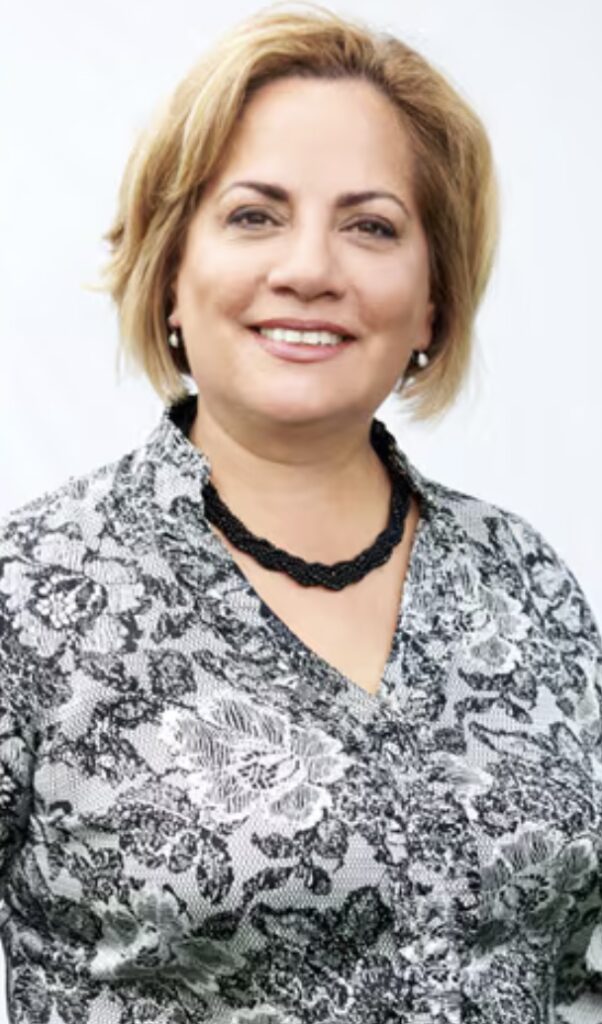
Q1 — In your view, how essential is arts and culture to Hamilton's economic vitality and to the wellbeing and social cohesion of its communities — and how would that view shape your priorities on council?
Arts and culture are critical to the well-being of our ward. They save lives as a moce of expression in a world where some feel there is no hope and that they have no voice. Arts and culture would be a priority for me since it has a formative prt of my life as a professional musician.
Q2 — Will you commit to reviewing and strengthening the City Enrichment Fund during your term? What approach would you take?
I will actively work to increase the budget and address the previous shortfalls.
Q3 — How would you ensure Hamilton's artists and arts organizations retain affordable, accessible access to cultural space — including space the City itself owns — as downtown development continues?
I would do so by removing wasteful spending, such as administrative duplication, and improve efficiencies so that the savings can be redirected to the more important issues, such as the arts and keeping space affordable.
Q4 — How would you engage with the artists and arts and culture organizations in your own ward, as well as the broader sector convening through the Hamilton Arts & Culture Collective (HACC), over your term?
I am disappointed that Ward 5 lacks a large robust art/music initiative or project although there are some smaller projects in Riverdale. I would work to promote the wonderful diversity in our Ward and inspire young diverse artists and programming foe the residents.
Ward 6 Candidates
Melissa Debicki
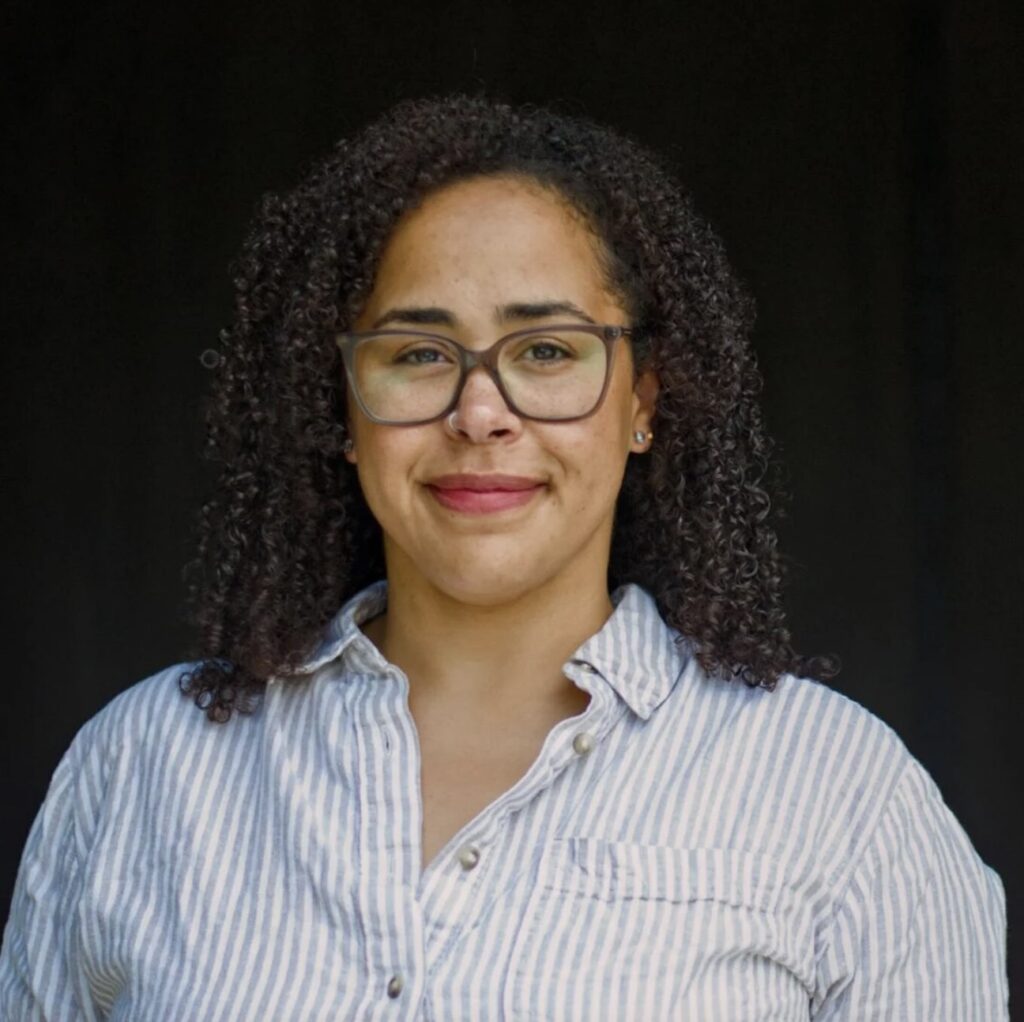
Q1 — In your view, how essential is arts and culture to Hamilton's economic vitality and to the wellbeing and social cohesion of its communities — and how would that view shape your priorities on council?
From throwing pots with my mother, to growing trades skills volunteering with Theatre Ancaster, I am continually influenced by Arts and Culture. The majority of Hamilton’s community structure and growth is arts based, with benefits for every demographic such as volunteer run art classes to high-risk youth, theatre organizations helping children establish confidence, or instrumental bell classes giving seniors a chance to socialize. These things build community, create opportunities, and contribute to a healthy economy. Community supports is a big part of my platform and the arts will emerge in my council priorities from engaging with local artists for input on decisions concerning the arts community, bringing in ward events that are artist friendly, or creating business initiatives that focus on various artists and local organizations.
Q2 — Will you commit to reviewing and strengthening the City Enrichment Fund during your term? What approach would you take?
The City Enrichment Fund had 565 applications in 2026. When we have a history of success, I believe that requires any area to be looked at closely. What we know is the areas for funding started with four sectors and is currently at seven and due to this expansion the program was never modified to meet the growing demand. There needed to be a complete analysis and rewrite of the funding requirements, and the funding that’s offered. This needs to be completed with members from the arts community as well as all sitting council members.
Q3 — How would you ensure Hamilton's artists and arts organizations retain affordable, accessible access to cultural space — including space the City itself owns — as downtown development continues?
Working with the City and select partners I would bring in subsidized spaces for artists. Those who would benefit from these spaces are individuals, small arts organizations, and those who fall within the designated requirements. The guidelines for this project would be determined by council and a collective of artists.
Another option for keeping spaces available would be to deduct costs in city run spaces for local artists based on community volunteer time. This could entail donating art lessons to long-term care patients or assisting with costume design for a non-profit theatre.
The city can offset the costs passes to artists by working with various supports of the arts such as large corporations and private donors.
Q4 — How would you engage with the artists and arts and culture organizations in your own ward, as well as the broader sector convening through the Hamilton Arts & Culture Collective (HACC), over your term?
Engaging with local artists and organizations successfully means giving them a safe space to belong, and feel comfortable in. Ward 6 currently has no spaces for creatives to work or publish artwork, and therefore excludes an entire community that can be involved with the success of the ward. I would like to consult with local artists and the HACC to create a plan to bring arts and culture to the area that is affordable, and meets the changing needs of the community. The more opportunities for arts, the more community representation.
Peter Werhun
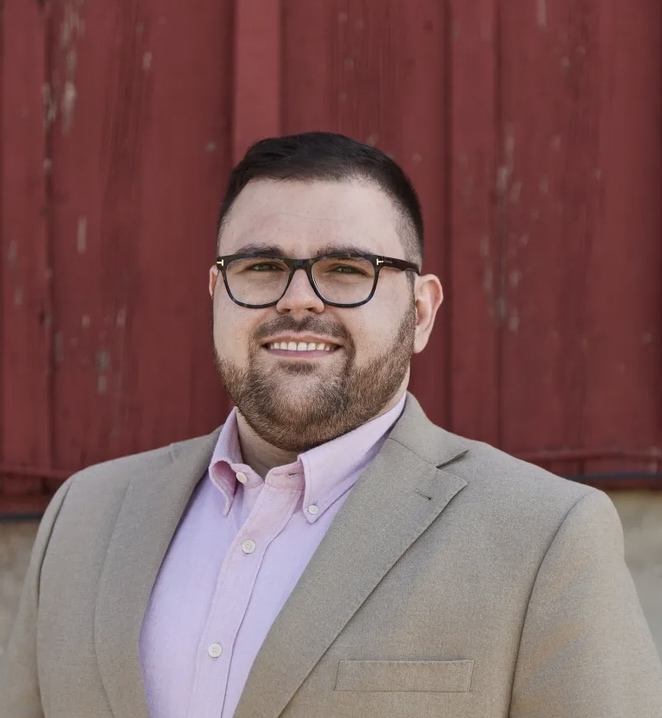
Q1 — In your view, how essential is arts and culture to Hamilton's economic vitality and to the wellbeing and social cohesion of its communities — and how would that view shape your priorities on council?
It is vital to ensuring that Hamilton can attract and retain residents who will build communities, invest in our tax base, and make our lives not just more prosperous, but worth living.
Q2 — Will you commit to reviewing and strengthening the City Enrichment Fund during your term? What approach would you take?
The fund should be indexed to CPI inflation. I would like larger investments in the long run but am concerned about the City's short-term financial position.
Q3 — How would you ensure Hamilton's artists and arts organizations retain affordable, accessible access to cultural space — including space the City itself owns — as downtown development continues?
This is a complicated question - space is at a premium in almost every aspect of our lives right now. I do think that a certain number of days per year at City-owned venues should be earmarked to "at-cost" events which allow local organizations to access them without putting pressure on user fees to also generate profit.
Q4 — How would you engage with the artists and arts and culture organizations in your own ward, as well as the broader sector convening through the Hamilton Arts & Culture Collective (HACC), over your term?
This forum is a start. I look forward to building from here to maintain an open, accessible, and productive relationship.
Ward 7 Candidates
Heather Beale

Q1 — In your view, how essential is arts and culture to Hamilton's economic vitality and to the wellbeing and social cohesion of its communities — and how would that view shape your priorities on council?
Arts and culture are essential to Hamilton’s economic vitality and the wellbeing of our communities..
The value goes beyond the numbers. Arts and culture bring people together, create a sense of belonging, and contribute to the character and vibrancy of our neighbourhoods.
I think of it as bread and roses. We need jobs, housing, infrastructure and responsible spending, but we also need the things that make a city a great place to live. Hamilton has a ling history of this understanding.
My experience with the Hamilton Philharmonic Orchestra, incite Foundation for the Arts and Supercrawl has given me a firsthand understanding of the work, creativity and economic activity behind that vibrancy.
On Council, I would continue to see arts and culture as part of our broader economic and community infrastructure. I would look at the public value of those investments, use public dollars responsibly, and continue to look at the numbers so we understand the economic and community impact we're creating.
Q2 — Will you commit to reviewing and strengthening the City Enrichment Fund during your term? What approach would you take?
Yes, I would commit to reviewing and strengthening the City Enrichment Fund.
Recognizing that arts and culture contribute to Hamilton’s economy and quality of life, our funding approach needs to support a healthy, sustainable sector, not simply respond to demand one year at a time.
The gap between demand and available funding tells us we need to look carefully at whether the current model is sustainable. I would want to understand what organizations are requesting, what they’re receiving, and what that means for the programs, jobs and economic activity they provide in our community.
I would explore the funding level, organizational stability, accessibility, and measurable community and economic outcomes. My recent work with incite Foundation for the Arts has given me a closer understanding of the realities facing arts organizations and the importance of sustainable funding.
While I can’t promise a specific increase without understanding the evidence, I would commit to bringing that evidence to Council and working with the sector on practical options to strengthen the fund.
Q3 — How would you ensure Hamilton's artists and arts organizations retain affordable, accessible access to cultural space — including space the City itself owns — as downtown development continues?
Growth and cultural space shouldn’t be treated as competing priorities.
I’m supportive of Hamilton growing and investing in our downtown, but we also need to make sure the artists and organizations that contribute to a vibrant community can continue to afford to be here.
I would want the City to take a closer look at its assets: what cultural and community spaces are owned, how they’re being used, what they cost, and whether there are opportunities for more affordable or shared cultural use.
I would also look for opportunities to work with developers and other property owners as the city grows, including opportunities to incorporate cultural space into new development where appropriate.
To me, this connects directly to responsible growth. We should make room for the future without losing the people, places and cultural activity that give our communities their character. Growth should add more of what makes Hamilton vibrant.
Q4 — How would you engage with the artists and arts and culture organizations in your own ward, as well as the broader sector convening through the Hamilton Arts & Culture Collective (HACC), over your term?
I would engage at both the ward and city-wide levels.
I would want to know the artists and organizations working in our ward 7 neighbourhoods, including what they need, what barriers they’re experiencing, and what opportunities exist to bring more cultural activity into the community. The Concession Street BIA and some specific shops in the area actively support artists.
At the city-wide level, I would stay connected with HACC and other sector organizations because many of the issues they identify such as funding, affordable space, planning and access, reach across ward boundaries. My work with incite Foundation for the Arts has also connected me with a number of arts organizations and given me a broader understanding of the sector in the Hamilton area.
I would bring that information into Council, ask questions, understand the evidence and advocate for practical solutions. I would apply the same principle I bring to every issue: listen carefully, understand the evidence, make the best decision I can, and be accountable for it.
If arts and culture create economic and community value, we need sustainable funding, affordable places to create, and an ongoing relationship with the people doing the work.
Mark Daly
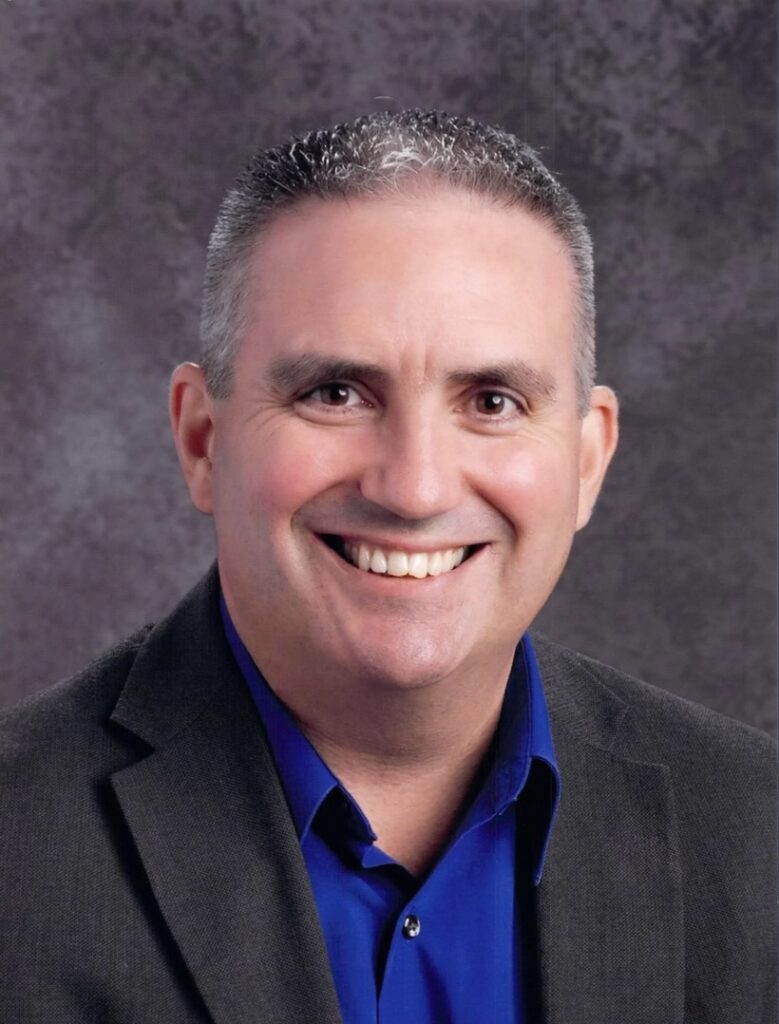
Q1 — In your view, how essential is arts and culture to Hamilton's economic vitality and to the wellbeing and social cohesion of its communities — and how would that view shape your priorities on council?
This is personal for me. Rowena and I had all four of our children involved for years at the Hamilton Conservatory for the Arts on James Street. All four studied music and piano, both of our daughters danced, and Miranda studied ballet. I saw firsthand the confidence, discipline and enjoyment that arts education gave them. Arts and culture also clearly contribute to Hamilton’s economy, neighbourhoods and quality of life. I would support a strong arts sector while applying the same standard I would everywhere at City Hall: responsible spending, clear priorities and evidence that public money is producing real value.
Q2 — Will you commit to reviewing and strengthening the City Enrichment Fund during your term? What approach would you take?
Yes. A nearly 40% increase in applications while funding remains flat deserves a serious review. I would look at how the money is allocated, the results being achieved and whether the fund is keeping pace with legitimate demand. I would not promise a specific increase before seeing the full City budget. Property taxpayers are already under significant pressure. But if the evidence shows the fund is delivering good value and needs strengthening, I would support making that case through the budget process.
Q3 — How would you ensure Hamilton's artists and arts organizations retain affordable, accessible access to cultural space — including space the City itself owns — as downtown development continues?
The City should not be pricing local artists and arts organizations out of spaces it already owns. I would review City-owned spaces, rental rates and policies to see where we can make access more affordable and practical. I would also support partnerships with non-profits, institutions and the private sector where they can help preserve affordable cultural space. Before spending money on new facilities, I would first make sure we are using the assets we already have effectively.
Q4 — How would you engage with the artists and arts and culture organizations in your own ward, as well as the broader sector convening through the Hamilton Arts & Culture Collective (HACC), over your term?
I would engage with the arts community the same way I intend to work with residents and other organizations: meet with people directly, listen and stay accessible. I would welcome regular contact with Ward 7 artists and organizations and with HACC on broader issues such as funding, space and planning. I will not promise that I can say yes to every request, but I will listen, be straightforward about what is possible and follow through on what I commit to.
Ward 8 Candidates
Dr. Nenos Damerchie
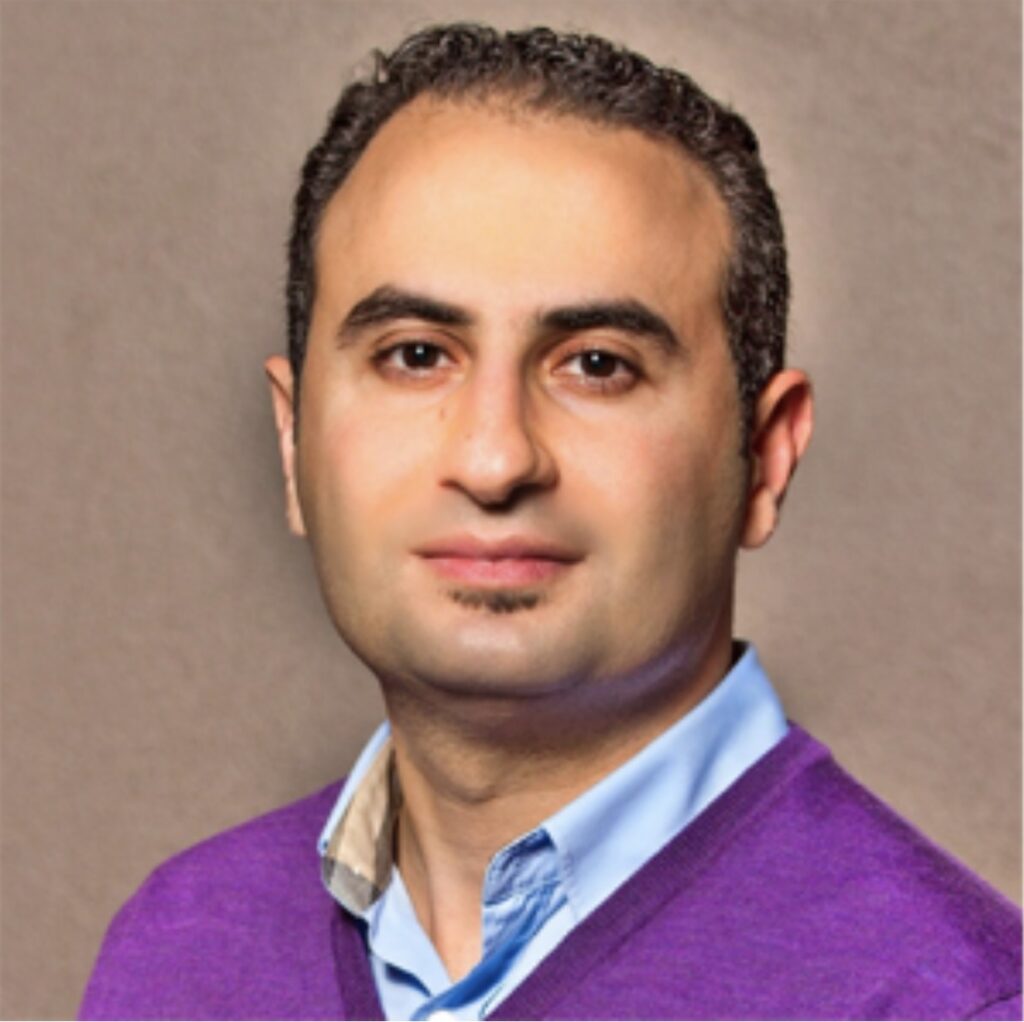
Q1 — In your view, how essential is arts and culture to Hamilton's economic vitality and to the wellbeing and social cohesion of its communities — and how would that view shape your priorities on council?
Arts and culture are important to Hamilton’s economy, identity and quality of life. They support jobs, attract people to the city and help build stronger communities. I would support the sector while making sure public funding is responsible and delivers clear community value.
Q2 — Will you commit to reviewing and strengthening the City Enrichment Fund during your term? What approach would you take?
Yes. I would support reviewing the fund to make sure it reflects current demand, is fairly distributed and provides value to residents. I would also look at whether multi-year funding could give established organizations more stability.
Q3 — How would you ensure Hamilton's artists and arts organizations retain affordable, accessible access to cultural space — including space the City itself owns — as downtown development continues?
I would review rates and policies for City-owned cultural spaces to make sure local organizations are not being priced out. I would also support shared-use spaces and look for opportunities to preserve cultural space as downtown redevelopment continues.
Q4 — How would you engage with the artists and arts and culture organizations in your own ward, as well as the broader sector convening through the Hamilton Arts & Culture Collective (HACC), over your term?
I would keep an open line of communication with artists and organizations in Ward 8 and meet with groups like HACC when issues affecting the sector come before Council. I believe consultation should happen early enough to actually influence decisions.
Adlan Taramov
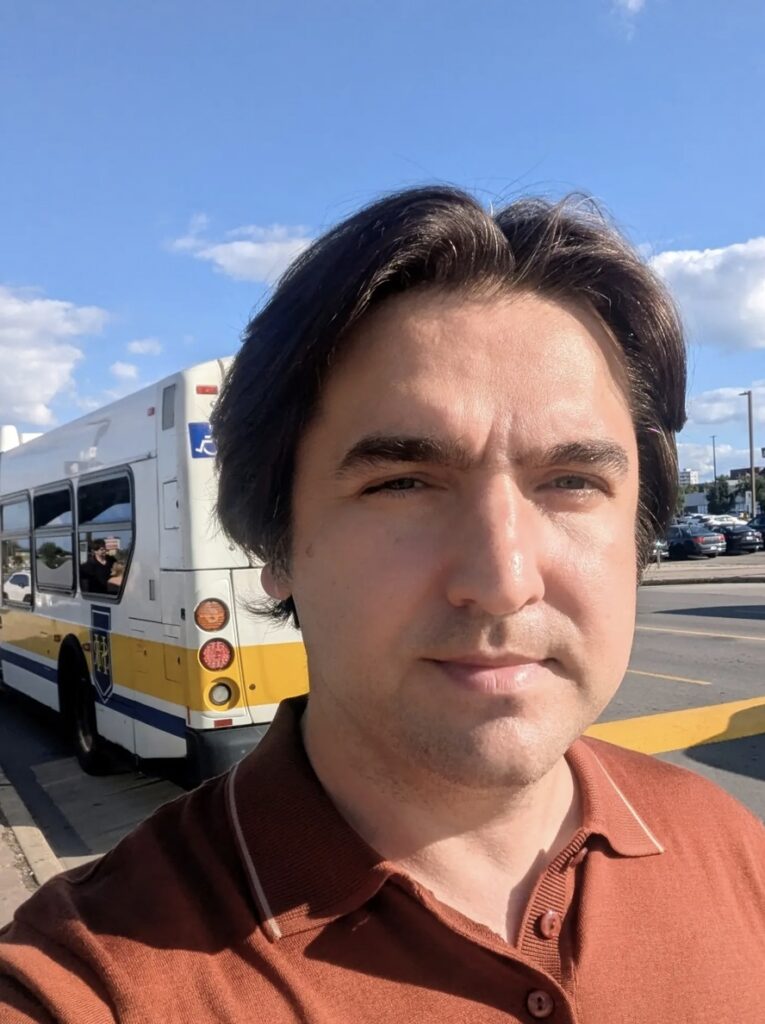
Q1 — In your view, how essential is arts and culture to Hamilton's economic vitality and to the wellbeing and social cohesion of its communities — and how would that view shape your priorities on council?
I play piano since I was 4 years old. I love art and cannot imagine my life without it. I do acting and background acting whenever I can. I am not a stranger.
Arts and culture are absolutely essential to Hamilton for economic, social vitality and quality of life.
I genuinely believe you cannot build a modern thriving city without a thriving arts scene. If we want Hamilton to be a premier destination for entertainment, tech, health, and innovation, we need the kind of vibrant, creative culture. Vibrant culture and communities make people actually want to live and build their families here.
Live music and local arts give our city its soul. On Council, I will treat the arts and culture sector as my priority for economic growth and quality of life.
Q2 — Will you commit to reviewing and strengthening the City Enrichment Fund during your term? What approach would you take?
If elected, I will strongly advocate for support of arts in Hamilton and especially in my Ward 8. Moreover, I will advocate for strong support of our arts sector from all other possible sources, whether it be from provincial and federal levels, or attracting private sector investment, and reducing red tape and barriers to arts sector in our city. If elected, you will gain a sincere and dedicated ally for arts sector in the city.
Q3 — How would you ensure Hamilton's artists and arts organizations retain affordable, accessible access to cultural space — including space the City itself owns — as downtown development continues?
The City needs to lead by example here; we should support art by providing affordable City-owned venues. Also, I will advocate that developers include affordable community and cultural spaces in their new builds. This is important not just for artists, but also for quality of life of future residents.
Additionally, I will advocate for measures aimed at supporting music and art schools to support development and success of our children.
We also need to remember that the arts don't just happen downtown. There are plenty of amazing musicians and creators living right here on the Mountain, and we should be better utilizing our suburban parks and community hubs to provide affordable rehearsal and performance spaces city-wide.
Q4 — How would you engage with the artists and arts and culture organizations in your own ward, as well as the broader sector convening through the Hamilton Arts & Culture Collective (HACC), over your term?
Artists are doing an incredible job and bring immense value to our life in the city. As a piano player, and a musician at heart, I am one of you and arts are very dear to me. If I am so lucky to be at the city council and represent the residents of Ward 8, my door will always be open. You won't get political jargon from me. If you have a practical idea to support our local creators and make Hamilton a better place to play music and create art, I will sit down with you, listen, and figure out how we can get it done together.
Ward 9 Candidates
Brad Clark
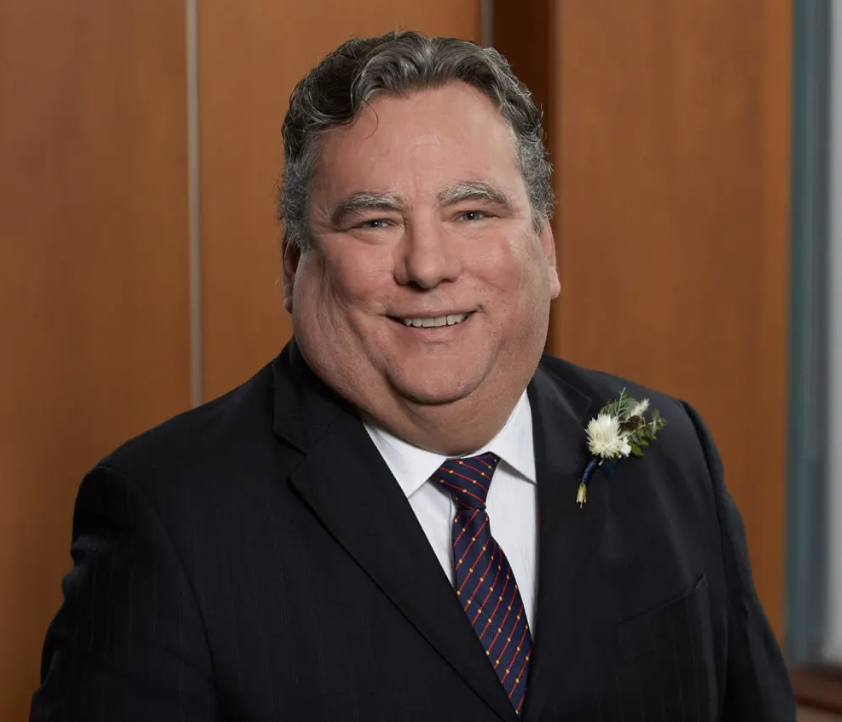
Q1 — In your view, how essential is arts and culture to Hamilton's economic vitality and to the wellbeing and social cohesion of its communities — and how would that view shape your priorities on council?
Arts & culture is one of Hamilton’s largest mid‑tier economic engines, comparable to the logistics and it is larger than life sciences, research and development. It has a significant role for its impact on Hamilton's cultural diversity and tourism attractions. We do love to see more arts and cultural events hosted in Hamilton rather than having to go to Toronto or Niagara.
Q2 — Will you commit to reviewing and strengthening the City Enrichment Fund during your term? What approach would you take?
The city enrichment fund was never meant to provide permanent year-over-year funding to organizations that have been approved for funding. It was intended to aid organizations to find ways to become more sustainable and self-sufficient themselves. The funding should be for a set time frame of 5 years with an application prohibition for 3 years to enable new applicants opportunities for funding.
Q3 — How would you ensure Hamilton's artists and arts organizations retain affordable, accessible access to cultural space — including space the City itself owns — as downtown development continues?
Not all cultural programing needs to be downtown. There are several communities across the city that may offer reasonable access to cultural spaces and suitable venues.
Q4 — How would you engage with the artists and arts and culture organizations in your own ward, as well as the broader sector convening through the Hamilton Arts & Culture Collective (HACC), over your term?
I am always open to engaging with artists and cultural organizations in my ward and the broader community. I enjoy many festivals, venues and cultural events in Ward 9 and throughout Hamilton.
Ward 10 Candidates
Cal DiFalco
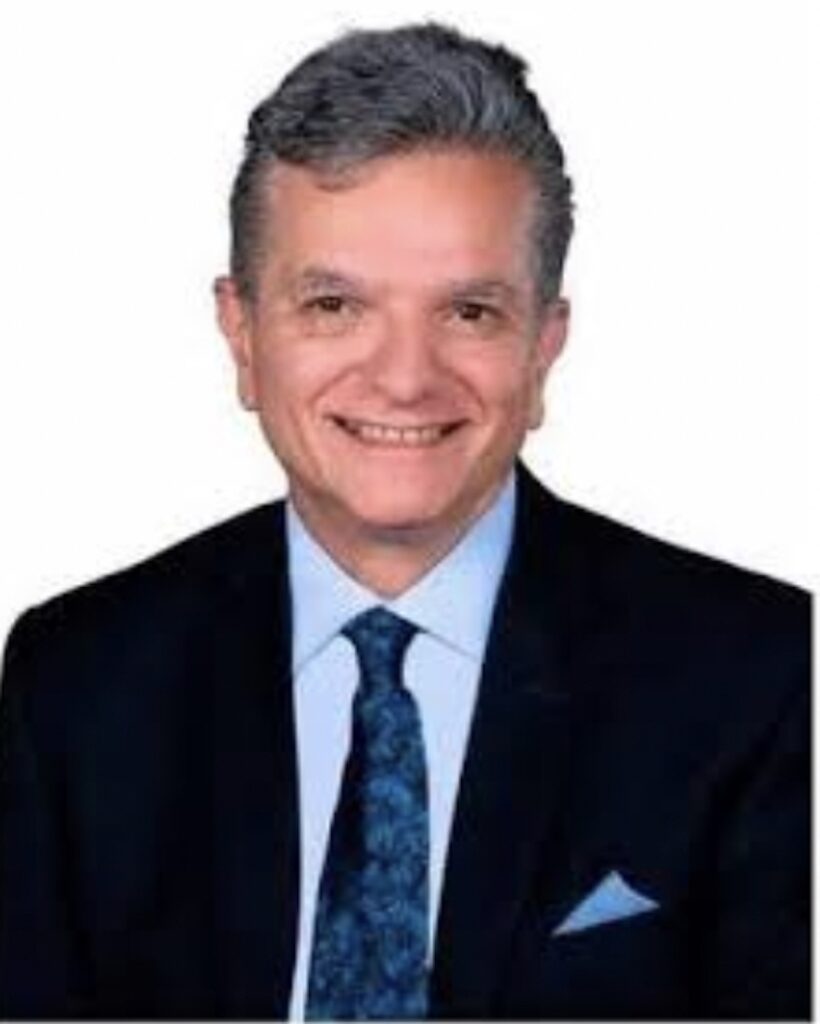
Q1 — In your view, how essential is arts and culture to Hamilton's economic vitality and to the wellbeing and social cohesion of its communities — and how would that view shape your priorities on council?
Arts and culture is an essential component of a well balanced community. Job and visitor attraction are amongst the many benefits that this sector drives. A foundational component of a vibrant city is its arts/culture landscape. I believe all areas of Hamilton should incorporate and support the arts and as a councillor, I would explore ways that Ward 10's vibrancy can be amplified through the arts.
Q2 — Will you commit to reviewing and strengthening the City Enrichment Fund during your term? What approach would you take?
There is always value in reviewing important components of our city, such as the City Enrichment Fund, to ensure we are providing support to those who are enriching our communities with creativity. As Councillor, I would be helping others to understand or develop business cases to illustrate the significant contribution and ROI this type of investment could achieve. Fiscal responsibility can help strengthen the arts if we understand their value on many levels, including the economic contribution.
Q3 — How would you ensure Hamilton's artists and arts organizations retain affordable, accessible access to cultural space — including space the City itself owns — as downtown development continues?
The City needs to fully recognize the value of the arts in order to usher in a conversation about the management of costs. I would contribute to that conversation, so as to position the arts sector to make the case for sustainability. Having been a lifelong musician, I understand that the arts sector is essential to our neighbourhoods, communities and to our city as a whole.
Q4 — How would you engage with the artists and arts and culture organizations in your own ward, as well as the broader sector convening through the Hamilton Arts & Culture Collective (HACC), over your term?
Creativity is essential to innovation. I think artists, arts and culture organizations can teach us a lot about looking beyond the obvious. I would like to see this sector have greater presence in our everyday lives, but also as resources to drive innovation within and beyond the arts sector. Arts and culture is a city wide resource that can help us drive vibrancy in each ward. I would invite discussions with The Hamilton Arts and Culture Collective, as well as open doors for artists in Ward 10 to discuss their ideas with me.
Sam Gamble
Q1 — In your view, how essential is arts and culture to Hamilton's economic vitality and to the wellbeing and social cohesion of its communities — and how would that view shape your priorities on council?
In my view, the arts and culture communities of Hamilton are essential. The economic impact on communities acts as a lifeline for many of our small businesses. The revitalization of James St. n, would not have happen without the arts and culture communities; Art Crawls being a massive win for the greater Hamilton area. I guess my favorite thing that I believe arts and culture provide is their ability to touch people’s hearts and souls, and they continue to create opportunities for our youth.
Q2 — Will you commit to reviewing and strengthening the City Enrichment Fund during your term? What approach would you take?
Absolutely, I am on board with reviewing and strengthening the City Enrichment fund during my term, if elected.
Some of my ideals are:
I) I would like to request an Audit of all city budgets to look for savings.
2) Implement Strategic City hires.
3) Pursue more local community partners.
4) Lobby the Provincial Government to increase funding.
5) Increase opportunities for our youth via Co-op’s and volunteering.
Q3 — How would you ensure Hamilton's artists and arts organizations retain affordable, accessible access to cultural space — including space the City itself owns — as downtown development continues?
The transformation of our decrepit neighbourhoods falls mainly on the backs of our struggling artist. After, putting in all their hard work to beautiful a part of the city; attracting small business, it’s kind of ironic that they can’t afford to stay there.
The art community should be receiving a hero’s welcome for their accomplishments, instead of eviction notices.
City council needs to work closely with the art and culture community ensuring that they still have affordable studios to work in after the Gentrification process starts to take place.
Q4 — How would you engage with the artists and arts and culture organizations in your own ward, as well as the broader sector convening through the Hamilton Arts & Culture Collective (HACC), over your term?
From the onset, I would like to Increase my exposure to the local artist in ward 10 by reaching out to HACC to gather all pertinent data. Going forward, I would open a channel for dialogue with all stakeholders, to see what their concerns, and needs are.
I would continue to network with the local arts community to help increase opportunities for our youth.
Michael T. Loomans
Q1 — In your view, how essential is arts and culture to Hamilton's economic vitality and to the wellbeing and social cohesion of its communities — and how would that view shape your priorities on council?
Art Gallery of Hamilton art collection, co-owned in partnership with the City of Hamilton, is approximately $1 billion in value. In times of hardship for example this valuable asset should be used to help homeless people. City of Detroit refused to sell their Vangogh painting even after bankruptcy due to corruption & was known as 'the Barber's Chair Mayor's office'. I guess that in itself could be created into an artwork that has quite the story.
Q2 — Will you commit to reviewing and strengthening the City Enrichment Fund during your term? What approach would you take?
The marketplace for artworks it a tough one. Banknotes feature art & helps to set a value on such things. Art is worth what another buyer is willing to pay at auction. Many Hamiltonians are out there suffering meanwhile we have a billion dollars worth of art in reserve.
Q3 — How would you ensure Hamilton's artists and arts organizations retain affordable, accessible access to cultural space — including space the City itself owns — as downtown development continues?
The library print shops & 'labs' are a great resource & add on to the City. Not even Toronto has these.
Q4 — How would you engage with the artists and arts and culture organizations in your own ward, as well as the broader sector convening through the Hamilton Arts & Culture Collective (HACC), over your term?
Already have time to time; dealing with Auction houses, etc. for my own artworks that I own. It was discover none of the works could get their actual value or even 30% on the dollar.
Ward 13 Candidates
Rick Kunc
Q1 — In your view, how essential is arts and culture to Hamilton's economic vitality and to the wellbeing and social cohesion of its communities — and how would that view shape your priorities on council?
Arts and culture are essential to vibrant communities and cities. Yes, they are economic drivers, and they also bring people together and build community. Building community and strengthening our sense of community across Hamilton is a priority for me.
Q2 — Will you commit to reviewing and strengthening the City Enrichment Fund during your term? What approach would you take?
I am committed to reviewing all aspects of the city budget, and the 2027 forecasted budget. It would be irresponsible to make commitments before having all of the information.
Q3 — How would you ensure Hamilton's artists and arts organizations retain affordable, accessible access to cultural space — including space the City itself owns — as downtown development continues?
Successful cities plan for a variety of uses as the city develops. We must ensure that we have mixed use space that includes affordable cultural space across our downtown core. This should come in the form of community spaces as well as studios and spaces for performances etc...
Q4 — How would you engage with the artists and arts and culture organizations in your own ward, as well as the broader sector convening through the Hamilton Arts & Culture Collective (HACC), over your term?
I would engage the artists where they are by attending events such as the pottery shows, or tours, concerts by local musicians, and the DVSA events as examples. I would also have representatives from the arts and culture community on my Ward 13 community council which I am pledging to reform if elected. And of course, being available to regularly meet with representatives of the community when needed.
Loren Lieberman
Q1 — In your view, how essential is arts and culture to Hamilton's economic vitality and to the wellbeing and social cohesion of its communities — and how would that view shape your priorities on council?
The economic impact in Hamilton from the Arts and Culture sector is very important, especially to the hospitality industry. Sold-out concerts at the TD Arena, the Art Gallery of Hamilton, any number of our annual Festivals, etc. bring people and their dollars into our community. These consumers of Arts and Culture fill our hotels, our restaurants, our parking lots and our shops. Arts and Culture defines the soul of any city in ways more difficult to measure than economic impact. For many years, Hamilton City Council has had strong advocates for sport, recreationally and professionally, to a much larger degree than the Arts. I strongly believe that you can be a Ti-cat fan AND a Theatre Aquarius subscriber simultaneously.
Q2 — Will you commit to reviewing and strengthening the City Enrichment Fund during your term? What approach would you take?
I would very much be interested in reviewing the City Enrichment Fund as well as other sources of municipal arts funding in Hamilton, i.e. Tourism Hamilton, Boards and Agencies, etc. Over the past term of council, the City Enrichment fund has shifted its focus toward special interest programming. This has come at the expense of other initiatives. Additionally, There are other ways for the City of Hamilton to fund Arts and Culture locally. Many of these initiatives are no longer in practice.
Q3 — How would you ensure Hamilton's artists and arts organizations retain affordable, accessible access to cultural space — including space the City itself owns — as downtown development continues?
For two generations we have heard how the City of Hamilton's assets (Hamilton Place, Studio Theatre, etc.) are out of the price range for the majority of local usage. That was true, and that remains true. As the visual artists' community have created their own galleries, the performing arts communities have found their own spaces as well. No one suggests that the art on the walls of James street north belong on the walls of the Hamilton Art Gallery. The privatization of the HECFI facilities drastically reduced the municipal subsidy. Regretfully, that savings was not reinvested in Arts and Culture.
Q4 — How would you engage with the artists and arts and culture organizations in your own ward, as well as the broader sector convening through the Hamilton Arts & Culture Collective (HACC), over your term?
I have been an active member of the arts community for decades and will continue to remain engaged. My vocational endeavours as a theatre producer, director, concert promoter, festival organizer, fine art collector keep me engaged with a great deal of the arts and culture community both in Dundas and the overall city.
Spencer Naylor
Q1 — In your view, how essential is arts and culture to Hamilton's economic vitality and to the wellbeing and social cohesion of its communities — and how would that view shape your priorities on council?
I believe arts and culture play a central role in both the economic and cultural development of any city, and that a vibrant art and culture scene is indicative of whether or not a community is truly flourishing. As such, ensuring that existing arts and culture sector initiatives are able to continue to grow and succeed in Hamilton would be a high priority for me.
Q2 — Will you commit to reviewing and strengthening the City Enrichment Fund during your term? What approach would you take?
I absolutely commit to reviewing the City Enrichment Fund during my term, but cannot at this time commit to strengthening it without first having the opportunity to assess the state of the city's finances, which by all indications are in fairly dire straits. Given the likelihood of the need for some belt-tightening in the city budget and the dire need to prioritize line items like the $5.2 billion infrastructure deficit, I cannot promise to commit to a budget increase for the City Enrichment Fund. I will, however, commit to not voting in favour of making any cuts to it.
Q3 — How would you ensure Hamilton's artists and arts organizations retain affordable, accessible access to cultural space — including space the City itself owns — as downtown development continues?
In the event I am not able to vote in favour of a budget increase for the City Enrichment Fund, I would commit to freezing rental costs for City-owned venues.
Q4 — How would you engage with the artists and arts and culture organizations in your own ward, as well as the broader sector convening through the Hamilton Arts & Culture Collective (HACC), over your term?
As with other organizations and stakeholders within Ward 13 and the City of Hamilton, my door will always be open to engagement and consideration of proposals during my term.
Ward 14 Candidates
Kojo Damptey
Q1 — In your view, how essential is arts and culture to Hamilton's economic vitality and to the wellbeing and social cohesion of its communities — and how would that view shape your priorities on council?
As a musician and former music festival curator I know full well the importance of the Arts and Culture sector in Hamilton. If elected to City Council I will be a strong advocate for ensuring financial barriers are reduced for the sector. I will advocate for more funding options for the arts sector.
Q2 — Will you commit to reviewing and strengthening the City Enrichment Fund during your term? What approach would you take?
Before running for elected office I consistently advocated for the an increase in the funding envelop for the City Enrichment Fund.
I played a crucial role is having the CEF pivoted to a multi-year funding model.
Q3 — How would you ensure Hamilton's artists and arts organizations retain affordable, accessible access to cultural space — including space the City itself owns — as downtown development continues?
As the former co-chair of the Hamilton Music Advisory Team I have consistently advocated for a holistic arts and culture strategy that addresses affordable, accessible access to cultural spaces, music venues, art galleries, and other multi-use arts spaces.
Q4 — How would you engage with the artists and arts and culture organizations in your own ward, as well as the broader sector convening through the Hamilton Arts & Culture Collective (HACC), over your term?
In my platform I highlight the point of "growing our local economy." I intend to do this by hosting neighbourhood and Ward festivals and parties where artists and entrepreneurs can showcase their work.
My ideal example would be to have a Ward 14 local crawl behind Westcliffe Mall with vendors, music, and artists.
Ward 15 Candidates
Mary Kovacs
Q1 — In your view, how essential is arts and culture to Hamilton's economic vitality and to the wellbeing and social cohesion of its communities — and how would that view shape your priorities on council?
Arts and culture are completely essential to Hamilton's economic vitality, but as a saxophonist who has performed across Ontario, I know firsthand that music is a vital tool for mental health, human survival, and social cohesion.My musical background led me directly into life-saving advocacy—using my instrument to raise national awareness for victims of violent crime, parental alienation, and intimate partner violence and mental health and addictions. I was formally presented a provincial certificate by Hamilton Mountain MPP Monique Taylor for my contributions to "Tree of Stars," promoting mental health awareness and addictions recovery through music and art. Most recently, in August 2026, I was honored by Voodoo Arts & Entertainment for "UNITY ONE / The Faces of Change" in support of the Royal Canadian Legion Branch 58. Furthermore, from 2012 until the pandemic struck, I put this into grassroots practice by hosting 50 to 100 musical events featuring hundreds of local musicians right inside our ward's senior homes and community spaces.On Council, this lived experience will shape my priorities. I will treat cultural funding as an essential public health utility. I will champion decentralized arts programming, ensuring municipal investments flow out of the downtown core and straight into our community halls, seniors' residences, and rural hubs. We cannot have a healthy city if our rural youth and isolated seniors are culturally starved. I will fight for mobile arts units and localized creative programming that bring healing and connection directly to Ward 15.
Q2 — Will you commit to reviewing and strengthening the City Enrichment Fund during your term? What approach would you take?
I absolutely commit to reviewing and strengthening the City Enrichment Fund (CEF) during my term. Freezing a crucial cultural fund while application demands skyrocket by 40% is a failure of long-term vision. Relying strictly on a flat property tax levy during high inflation actively starves our grass-roots arts organizations. If elected to Council, I will take the following three decisive actions: Advocate for a CEF Budget Increase: I will fight to break the funding freeze and index the CEF to match real-world application growth and inflationary pressures.Implement Rural Equity Carve-Outs: I will propose a specific, protected percentage of CEF grants earmarked for smaller, ward-based, and rural organizations. Grassroots groups in communities like Flamborough shouldn't have to compete on an uneven playing field against massive, downtown-centered institutions. Establish Multi-Year Funding Frameworks: I will work to transition stable, proven arts organizations to predictable multi-year funding cycles. This reduces administrative burdens, allows local creators to focus on their actual work rather than yearly paperwork, and ensures long-term sustainability for Hamilton's creative workforce.
Q3 — How would you ensure Hamilton's artists and arts organizations retain affordable, accessible access to cultural space — including space the City itself owns — as downtown development continues?
We cannot brag about downtown redevelopment if the very artists who built Hamilton's unique identity are being priced out and displaced by rising costs. It is unacceptable for city-owned venues to become cost-prohibitive for our local cultural groups.To protect our artists, I will push for three immediate policy shifts: Community Benefit Agreements: I will advocate for mandatory clauses in downtown redevelopment projects requiring private developers to include affordable, long-term studio or rehearsal spaces for local artists as a condition of building approval. City-Owned Venue Subsidies: I will introduce a motion to establish a deeply subsidized tier of rental rates across all city-owned venues specifically for registered Hamilton-based non-profit arts organizations. The city must lead by example. Repurposing Surplus Public Assets: I will champion a municipal audit of all empty or underutilized city buildings—including closed schools or historic spaces—to convert them into low-cost, accessible, community-run cultural hubs, ensuring artists retain permanent roots in our evolving city.
Q4 — How would you engage with the artists and arts and culture organizations in your own ward, as well as the broader sector convening through the Hamilton Arts & Culture Collective (HACC), over your term?
Effective leadership requires active, continuous collaboration with the creators who keep our city vibrant. Having personally organized and hosted up to 100 musical showcases featuring hundreds of artists since 2012, and having partnered with major initiatives like Tree of Stars and UNITY ONE / The Faces of Change to support veterans and mental health, I understand the exact logistical and spatial barriers grassroots creators face in Hamilton. My engagement strategy on Council will be dual-tracked.First, within Ward 15, I will establish a permanent Ward 15 Arts Advisory Committee. This quarterly forum will bring together local Flamborough musicians, visual artists, historical societies, and community performers. This ensures rural creators have a direct, unobstructed pipeline to my desk at City Hall so their unique spatial and funding needs are prioritized in municipal planning.Second, I will actively engage with the Hamilton Arts & Culture Collective (HACC). I will maintain an open-door policy for their leadership, attend sector-wide assemblies, and forcefully champion their recommendations on Council regarding spatial preservation and funding stabilization. Because I have stood on Ontario stages, partnered with provincial campaigns, and used my instrument to anchor major social justice initiatives, I will be an authentic, experienced voice for HACC. I will bridge the gap between ward-level grassroots realities and city-wide cultural policy, ensuring our municipal arts strategies are transparent, equitable, and directly accountable to the cultural workers who make Hamilton great.
Ted McMeekin
Q1 — In your view, how essential is arts and culture to Hamilton's economic vitality and to the wellbeing and social cohesion of its communities — and how would that view shape your priorities on council?
Without music and the arts, life is a mistake. I have been involve with the Art Gallery of Bamilton for many years and passionately supportive of the galleries artistic and cultural initiatives. I'm familiar with the 'Bohemian Index' which postulates that the best indicator of a strong city economy is a strong and eco nominally viable Arts Community.
Q2 — Will you commit to reviewing and strengthening the City Enrichment Fund during your term? What approach would you take?
Yes, I have consistently supported doing so. I note some concerns about how priorities are set and how the protocols for accessing funds has a history of changing.
Q3 — How would you ensure Hamilton's artists and arts organizations retain affordable, accessible access to cultural space — including space the City itself owns — as downtown development continues?
We should establish a process that identifies spaces that may. E available and proactively engage in building a workable partnership in supports of the arts.
Q4 — How would you engage with the artists and arts and culture organizations in your own ward, as well as the broader sector convening through the Hamilton Arts & Culture Collective (HACC), over your term?
Anyone who identifies as an artisan or cultural organization who is in touch with me will get a response and a conversation about there interests and challenges and concerns
Jeff Yaeger
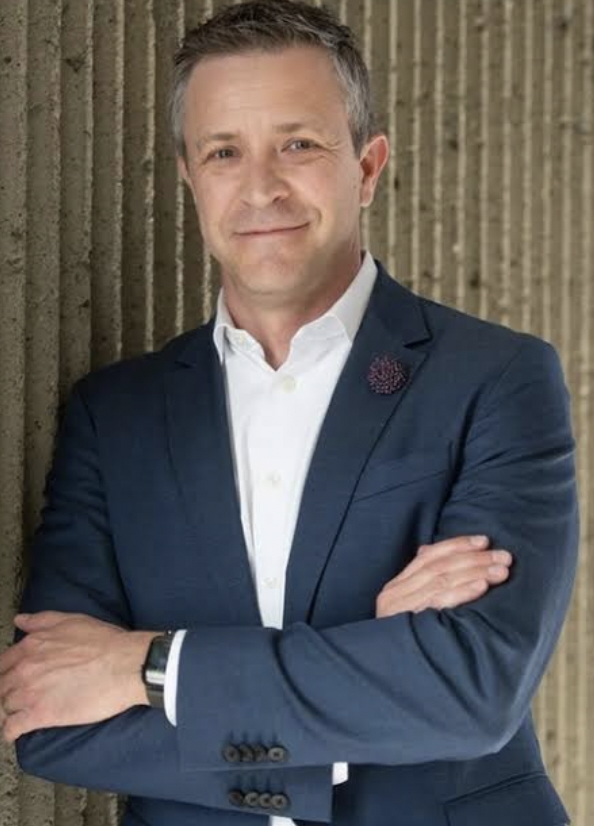
Q1 — In your view, how essential is arts and culture to Hamilton's economic vitality and to the wellbeing and social cohesion of its communities — and how would that view shape your priorities on council?
I see arts and culture as an important part of both Hamilton's economy and its quality of life. The economic numbers cited here are significant, but the value goes beyond GDP and jobs. Arts, festivals, music, heritage and cultural activities create places where people want to live, visit and spend time, and they help build connections between people and communities. That is particularly important in a city as geographically and culturally diverse as Hamilton. I also believe we need to think beyond the downtown core. Residents in Waterdown and rural Flamborough should have opportunities to participate in and experience arts and culture in their own communities as well. My approach on Council would be the same one I bring to other City issues: understand what we are trying to accomplish, listen to the people doing the work, invest where there is demonstrated value, and measure whether we are achieving the results we intended. Arts and culture should not be treated as an afterthought. They should be considered alongside economic development, tourism, community wellbeing and placemaking when the City makes decisions about its future.
Q2 — Will you commit to reviewing and strengthening the City Enrichment Fund during your term? What approach would you take?
Yes. I would support reviewing the City Enrichment Fund and determining whether its funding level and structure still reflect the needs of Hamilton's growing community. However, I would not begin with a predetermined funding increase. The first questions I would ask are: How has demand changed? What types of organizations and programs are being turned away or underfunded? What outcomes are being achieved with the funding we currently provide? Are there barriers preventing smaller or newer organizations from accessing the fund? And is the current allocation process giving Hamilton residents the greatest possible community benefit? If the evidence demonstrates that the fund is no longer keeping pace with legitimate community need and is producing strong results, I would support strengthening it. I would also look at whether property taxes should remain the only source of funding and whether provincial, federal, philanthropic or partnership opportunities could supplement municipal dollars. For me, strengthening the fund means more than simply increasing its budget. It means making sure it is transparent, accessible, sustainable and delivering measurable value to Hamilton residents.
Q3 — How would you ensure Hamilton's artists and arts organizations retain affordable, accessible access to cultural space — including space the City itself owns — as downtown development continues?
If the City owns cultural or community space, I believe we need to ask a basic question: what public purpose is that space supposed to serve? It makes little sense for the City to support local arts organizations with grants and then make City-owned facilities financially inaccessible to those same organizations. I would support an inventory and review of City-owned spaces that could be used for arts and cultural activities, including their availability, utilization and rental rates. I would also want to understand whether some spaces are sitting underused while artists and community organizations are struggling to find affordable places to rehearse, perform, exhibit or meet. As development continues, cultural space should also be considered during planning rather than after displacement has already occurred. That means exploring partnerships with developers, adaptive reuse of existing buildings, shared-use facilities and other approaches that can preserve affordable cultural space without placing the entire cost on taxpayers. The objective should be practical: make better use of the assets we already own, identify where genuine gaps exist, and work with the arts community on solutions before those spaces disappear.
Q4 — How would you engage with the artists and arts and culture organizations in your own ward, as well as the broader sector convening through the Hamilton Arts & Culture Collective (HACC), over your term?
I believe engagement needs to be ongoing, not something that happens only during an election or when a funding decision comes before Council. In Ward 15, I would make a deliberate effort to identify and connect with local artists, cultural organizations, event organizers and community groups in Waterdown and rural Flamborough. I would want to understand both what is working and what barriers they encounter when dealing with the City. I would also engage regularly with the Hamilton Arts & Culture Collective and the broader city-wide sector. Organizations working in this field every day will often identify emerging problems and opportunities long before they appear in a staff report. But engagement also has to lead somewhere. One of the principles I bring to public service is closing the feedback loop: listen, identify the issue, determine what can realistically be done, act where appropriate, and then report back on what happened. I would bring that same approach to Hamilton's arts and culture community. Consultation should not simply mean asking people for their views. It should mean ensuring they know what happened as a result.