






Jamie Waldron: Born for butchering
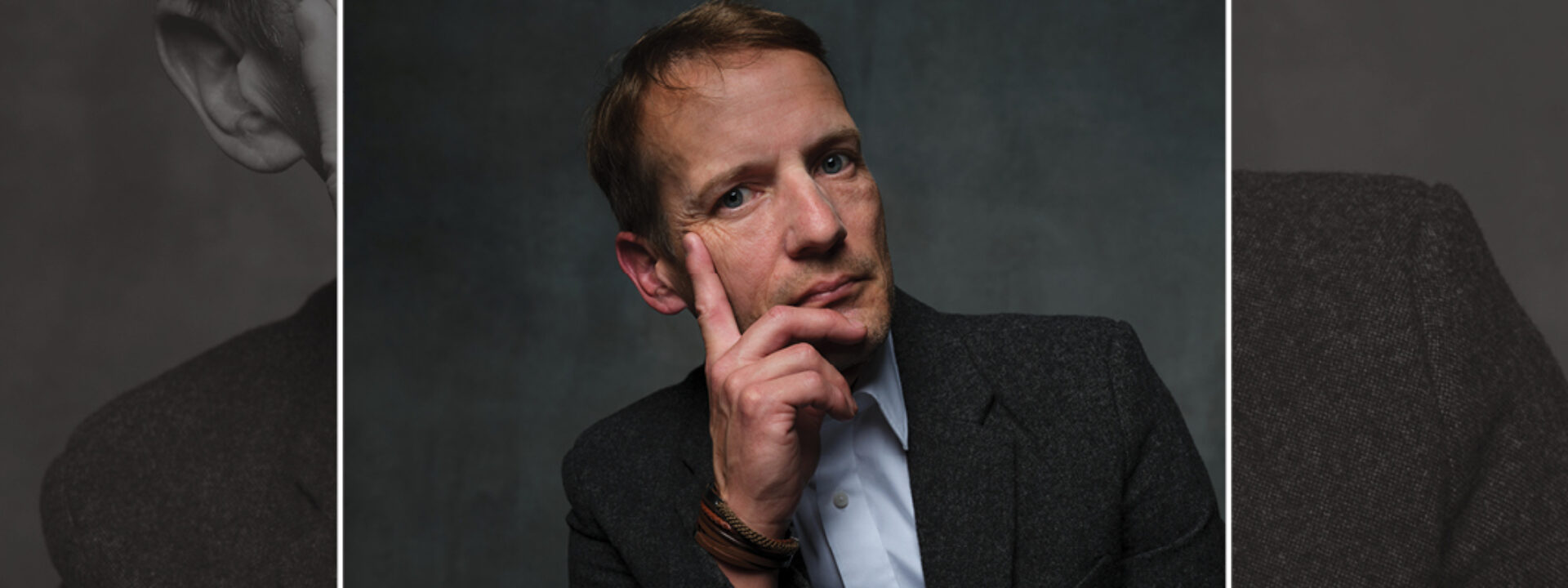
Many years ago, Jamie Waldron tried hard not to be a butcher. But something kept drawing him back. Now, he’s authored a book, hosted workshops, built a reputation as a leader in the nose-to-tail movement, and opened a Barton Street butcher shop that rejects industrialized meat production in favour of small local farms and customer service.
What if a butcher shop was like the TV show Cheers? You may recall the theme song: “Sometimes you wanna go where everybody knows your name and they're always glad you came.” Once upon a time, there were more neighbourhood butcher shops. Instead of the depersonalized grocery store experience, a welcome greeting and friendly advice was just around the corner. All that and more await you at J. Waldron Butchers.
Asked: “How did you know you wanted to do this?” Jamie Waldron’s immediate answer was: “I didn’t.”
Having spent 30-plus years honing his knowledge and skills, his story began as a young man out of high school who needed a job, and got one at a local country butcher shop in Kingsville, near his home in Harrow. This, in turn, bridged him to work at Remark Farms in Windsor.
There was no family history in meat cutting or hospitality. Waldron describes a roller-coaster ride for several years when he was trying very hard to not do this job, a cycle of finding other work and then coming back to butchering.
A few things turned the tide. In a return to Remark Farms, he was taken under the wing of a talented mentor. This, combined with the Food Network, which in its early days enthralled Waldron, inspired him to focus on this career path. He knew that the hours of kitchen work linked to “chef-ing” were not for him, but butchery – the work that kept tugging at him – was close to that world.
Celebrity chefs were embracing nose-to-tail cooking, which set the stage for a new breed of butchers. The River Cottage Meat Book by Hugh Fearnley-Whittingstall (2007) was a sensation in the U.K. and delivered a sort of manifesto on sustainable meat production – high-quality and local – that influenced global heavy-hitters, along with Waldron. Even the widely recognized pastry chef David Lebovitz praised it for “its comprehensive, rational treatise on all aspects of meat preparation and eating … (presenting) a case for finding a reputable butcher, buying close to home and using what you buy wisely and with purpose.”
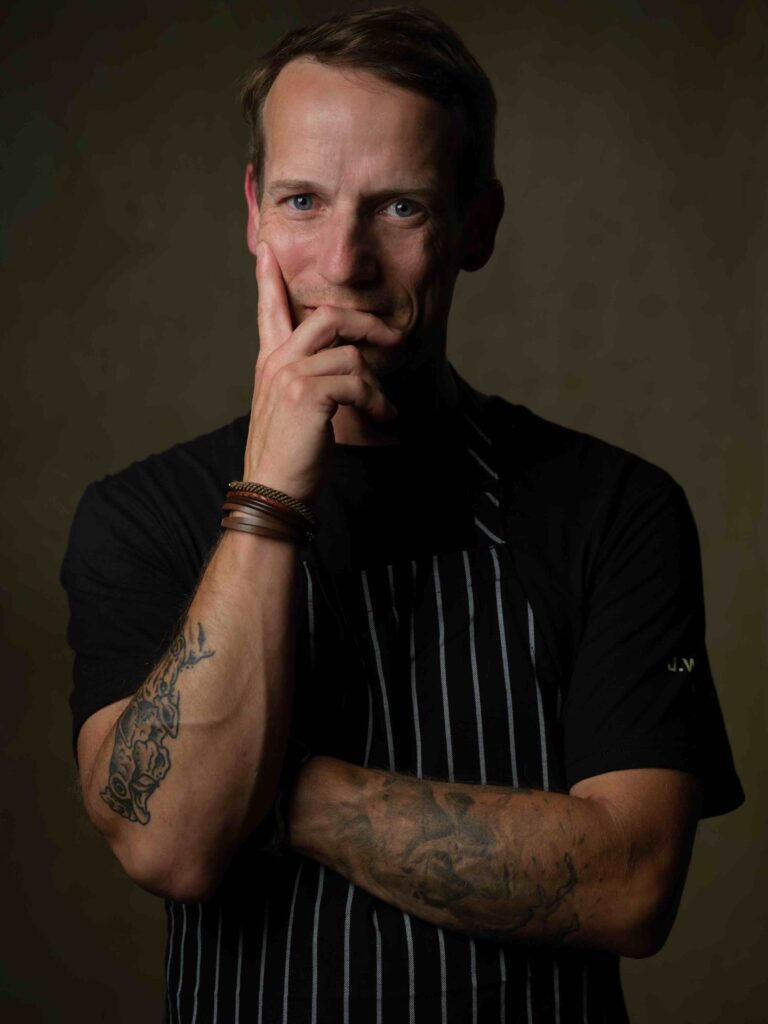
The decades-long erosion of neighbourhood butcher shops was beginning to change course and Waldron became galvanized as he noticed the trend of restaurants turning to independent butchers who were sourcing meat from small family farms. He welcomed this alternative to industrialized meat production and began to learn as much as he could about this culinary movement.
A final bit of serendipity happened while accompanying a friend on a wine tour in the Niagara Peninsula. Waldron realized he was close to Dundas, so he added a visit to Cumbrae’s, which he refers to as “the holy grail of butcher shops.” He struck up a conversation with the owner, who gave him a tour. The encounter led to Waldron being offered a one-week "stage" (unpaid work experience). This, in turn, led to a five-year stint with Cumbrae's, working and continuing his habit of lifelong learning, which includes a variety of experiences and workplaces.
When you think about it, the things a butcher needs to learn are almost overwhelmingly complex. To name a few: there are knife skills, carcass breakdown of various animals into retail cuts (and ideally whole animal, nose-to-tail use), meat science, processing, packaging, safety, and sanitation. Consumers expect that a butcher can offer cooking tips, which Waldron can do, even though he admits he is not a big home cook, other than grilling. An additional skill is speed for efficiency and Waldron admits he sometimes likes to time himself on tasks.
There’s an “in and out” context for all of this. The “in” is the sourcing of product. Waldron not only distanced himself from industrialized meat production, but over the decades diligently built working relationships with suppliers (such as Fenwood Farm and Beverly Creek) aligned with his ethical practices. “We build strong relationships with each farm that we work with, to ensure they’re raising livestock the way that we feel is right. That means animals raised on pasture, when possible, and fed a species-appropriate diet free of antibiotics and hormones.” Waldron runs a transparent shop and the message to new hires is that they “should have experience with whole-animal butchery and retail cutting/portioning in real-time. At our shop, we do everything right in front of the customer.”
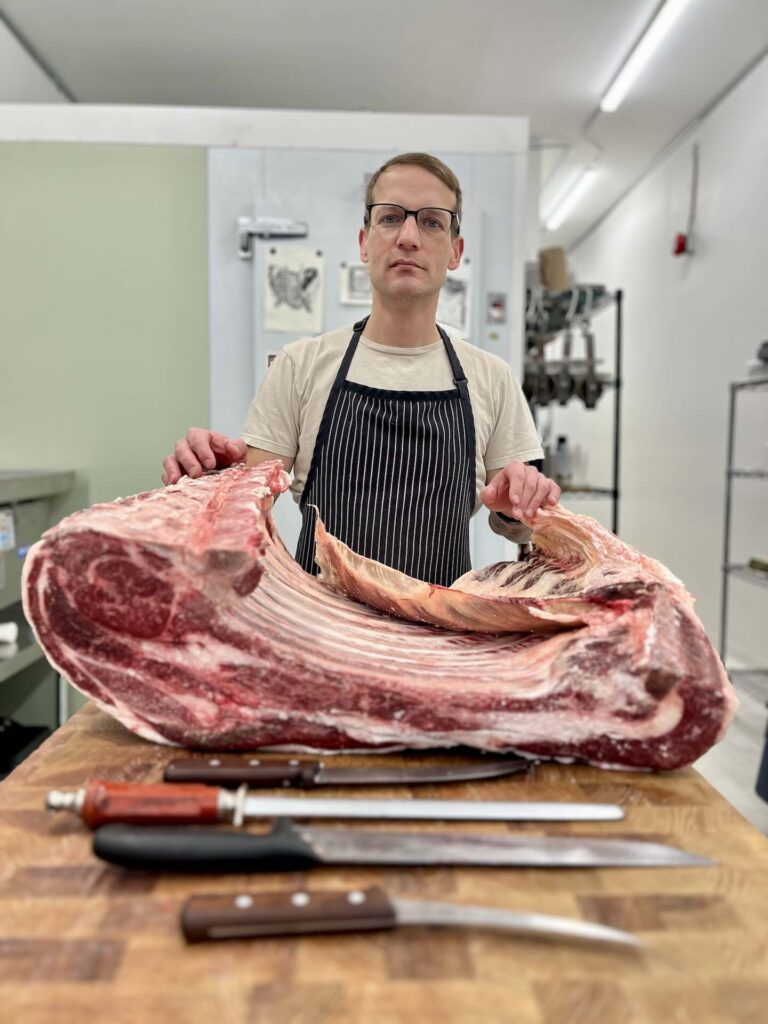
He wants patrons to feel confident about quality assurance, and pride about supporting local small farmers.
The “out” part of a butcher shop refers to customer service and Waldron has firm convictions about this, aiming for a high level of service. “The shop is tailored around having conversations with customers that come in. It is a bit different from the retail experience that most customers are used to.” By this, Waldron was referring to the typical grocery store grab, pay, and leave experience. “They don’t have an experience chatting or interacting, where they can gain knowledge, ask questions or advice [about] specific needs and wants.”
He wants a shop where he and his staff know patrons by name and vice versa. This aspect of the Waldron brand affects hiring, giving an edge to individuals who are people-oriented and good communicators. As someone who feels he’s still learning every day from both experienced and younger people, Waldron looks for passion, and someone with a genuine interest in learning.
Highlights of his learning journey include experience at some of the top butcher shops in Canada, helping to craft menus and meat programs for restaurant groups, consulting for butcher shops, and working with and for abattoirs in Ontario. In 2013, he co-authored a book called The Home Butchering Handbook: Enjoy Finer, Fresher, Healthier Cuts of Meat from Your Own Kitchen, covering all aspects of traditional meat cutting, from whole-carcass to usable cuts. He also began to run butchery workshops.
The first pandemic lockdown created the circumstances that led to Waldron opening his own shop in 2021. It was an if-you-know-you-know wee shop located in a garage, in an alley. In 2024, Waldron moved to his current Barton Street brick-and-mortar shop, which enabled him to expand his work and retail space and grow his team.
“I’ve had the benefit of coming to work each and every day with a fantastic and talented team that helps us bring the best cuts, ready-made foods, and knowledgeable service to each and every one – a team of true professionals – people who truly care about their craft.” The team concept is also reflected in his mutually beneficial collaborations with chefs and restaurants. He keeps their needs in mind and many celebrated restaurants use his products. They educate and support each other.

Waldron has the goal of servicing the community with authenticity in a warm and thoughtfully curated environment. When you visit his shop, you’ll notice a wall of fridge doors and a meat case/counter. Of course, there’s a lot of meat from small local farms ready to go, and even more in their other walk-in fridges, and the dedicated dry-aged cooler. There are always products prepped for cooking, marinated or on skewers. The expected meat products are all there, including (but not limited to) various steaks, chicken (whole or parts or butterflied), pork, pork chops, ribs, brisket, beef tenderloin, short ribs, duck breast, lamb shanks, ground meats, burgers, sliced bacon, and even marrow bones. Cooking fats include lard and beef tallow. If that’s not enough, a small freezer contains seafood from Hamilton’s beloved Hammerhead’s.
There is also an abundance of merchandise not expected in such a cozy space. This includes an extensive line of on-site prepared foods and local products. The Waldron team is always adding options and it would take too long to list them all. Follow them on Instagram to keep updated. Here’s some of what I noticed on my last visit.
Heat-and-serve meals include butter chicken, curry chicken, meatballs in red sauce, dill pickle pulled pork, chicken in white wine cream sauce, carnitas, mac ’n’ cheese, and roasted chicken soup. There are always new ideas for custom sausages that rotate through a range of combos such as mild Italian, maple syrup smoked bacon, and chicken piri piri. Frozen savoury pies come in personal and family sizes and in a wide range of appetizing forms: bourguignon; minced beef and cheddar; smoked ham with creamed Brussels sprouts and mustard; Italian sausage with rapini and provolone; chicken, bacon and leek; steak and ale; and cottage pie. Waldron says their pie program is off the charts in popularity and is now available at several wholesalers and retailers, such as Fenwood Farm and Summit Station.
As a side note, I must say that these are the best meat pies I’ve ever had. The minced beef and cheddar, and butter chicken pies are encased in perfect pastry that bakes to a golden finish and tender texture. There’s not a single unrecognizable ingredient. The cheese in the beef pie is (local) Mickey McGuire’s two-year aged white cheddar. The butter chicken pie includes Kashmiri chili that delivers the perfect touch of mouth warmth. The pies are flawless.
A summer add-on was a selection of salads, including red cabbage slaw, German potato salad, and wheat berry and couscous salad. You can enhance your charcuterie board with sausage rolls, country pâté, pâté en croute, terrines, foie gras, chicken liver mousse, duck rillettes, and add some pickled red onions, horseradish, or compound butter on the side. Away from the coolers are shelves of meat rubs, pickles, air-dried beef, salt, sauces, maple syrup, coffee beans, and dog treats. Ask about their monthly butcher boxes that include a mix of proteins.
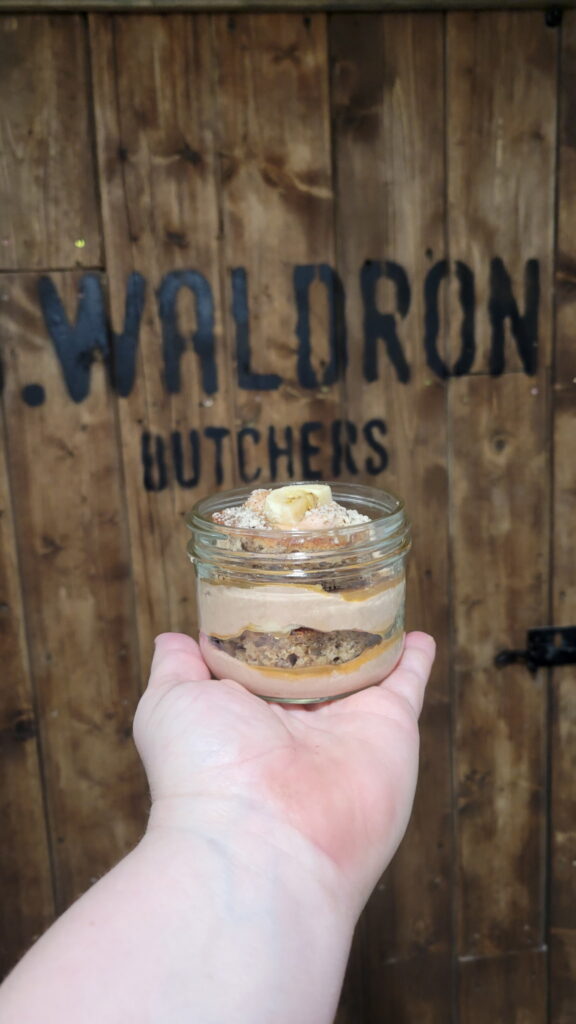
Bottom line, Waldron stresses that if you don’t find what you’re looking for, or have questions, simply ask. “You can always call ahead and request something, especially if you are looking for a large order or something a little more unique. If we don’t have it, we’ll see what we can do about procuring it for you.”
J. Waldron Butchers supports local suppliers and entrepreneurs and participates in Barton Village events, such as Barton’s Annual Street Hang (BASH), where the treats on offer this year included barbecued sausages, sliders, Carolina gold wings, and a side of German potato salad. On the subject of Barton Street, Waldron says, “my experience on this street has been nothing short of positive. It’s a 95 per cent thumbs up for me, and for anyone who is hesitating to come here, I’d say drop your preconceived notions. We are a destination people come (to) and we have awesome neighbours.”
Clearly, Waldron is a people person and loves his occupation’s relationships. He says that he thinks of his business as the barbershop version of a butcher shop. (Having never frequented a barbershop, I opted for the Cheers analogy.)
If you ever run into Jamie Waldron “running” it will be springtime when he joins the Million Reasons Run in support of McMaster Children’s Hospital, which supported his family when his children were cared for as preemies in Mac's neonatal intensive care unit.
Meanwhile, run, don’t walk, to check out this exceptional butcher shop. Before you know it, they’ll know your name.