


THE PLAYLIST
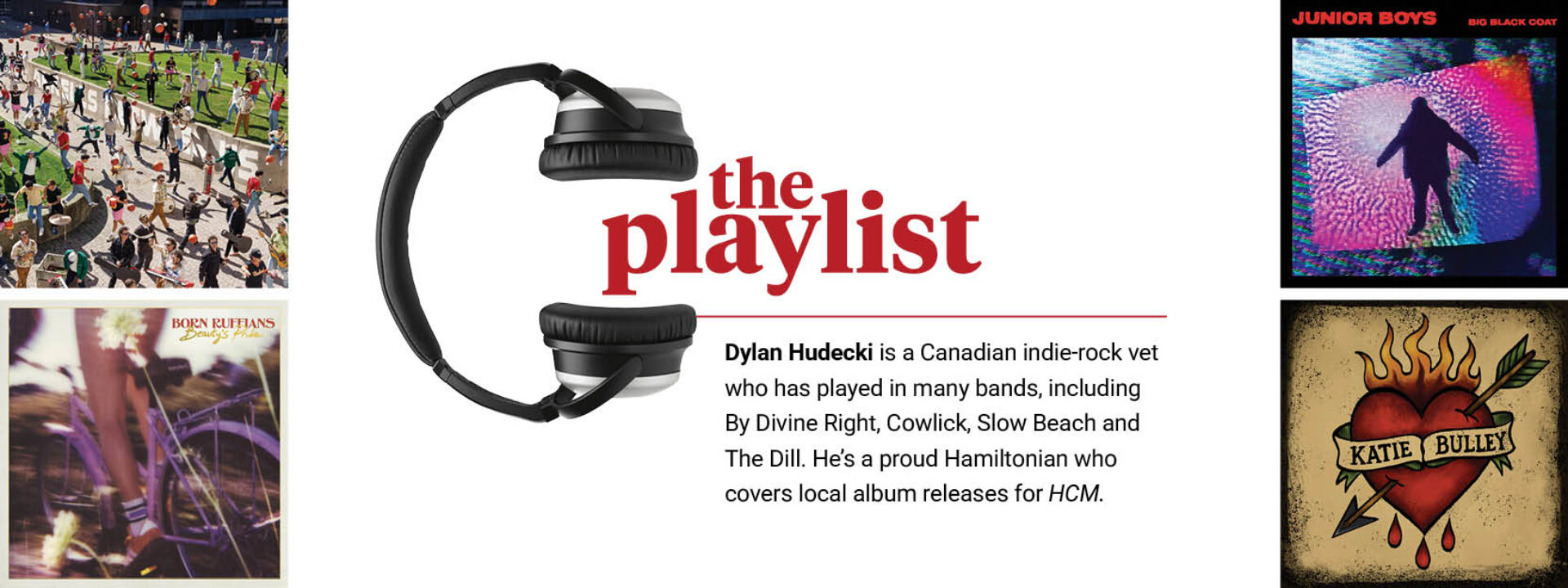
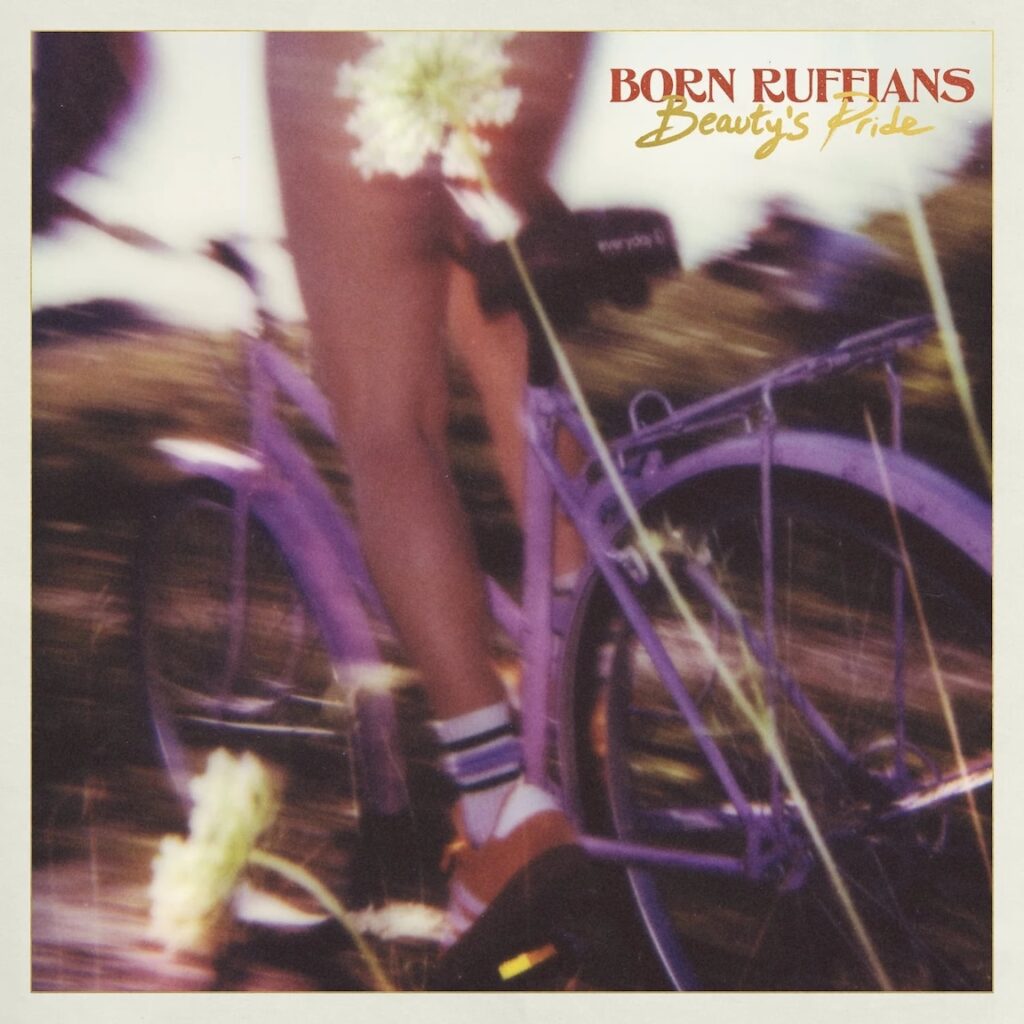
Born Ruffians – Beauty’s Pride
For a band that once felt like it might combust from sheer nervous energy and mileage logged, Born Ruffians have aged in a surprisingly graceful, and still charmingly unpredictable way. Beauty’s Pride finds the long-running Toronto/Hamilton group loosening their grip on that early, jittery urgency without letting go of the personality that made them indie staples for the last 20 years.
Back at their beginning, their sound was all wiry guitars, yelped vocals, and rhythms that felt like they were tripping over themselves, in a great cacophonous way. Comparisons to Vampire Weekend and Tokyo Police Club made sense then, but Born Ruffians always felt scrappier, less polished, and more instinct-driven. On Beauty’s Pride, that same spirit remains, just filtered through a more reflective, professional musical and artistic lens.
Frontman Luke Lalonde is still the band’s emotional anchor, his voice carrying that familiar mix of anxious energy, beautiful melodies, and open-hearted sincerity. Lyrically, though, the focus has shifted. The album circles themes of time, change, and perspective, particularly the subtle but seismic shifts that come with growing older and becoming a parent. There’s a sense of someone taking stock, even in the album’s brighter moments. Songs feel less like they’re racing toward something and more like they’re trying to understand where they’ve landed.
Sonically, Beauty’s Pride plays like a collage of everything the band has explored over the years. There are still plenty of jangly, guitar-driven tracks built for crowded rooms and shouted-back choruses, but they’re balanced by a newfound interest in texture. Glossy synths and sleek rhythms creep into the mix, occasionally nudging the band toward danceable territory. You can hear flickers of Talking Heads in that nervous-meets-groove interplay, or even a touch of The Strokes and Ok Go in the album’s tighter, hook-forward and sometimes anthemic moments. Some listeners who are unfamiliar with the band would say that a few of the 14 songs drift by with a loose, exploratory feel occasionally bordering on unfocused. But that same looseness is also its strength, and its diversity. If it was too perfect, it’d be overproduced and not human nor charming.
A big part of what makes the record feel fresh is the presence of Maddy Wilde. Her keyboards and vocals introduce a softer, dreamier new dimension, pushing certain tracks toward psych-pop and giving the band more room to stretch out. It’s a subtle shift, but an important one as it widens the emotional and sonic palette without diluting the band’s core identity.
The title track closes things out on a reflective note, feeling less like a grand finale and more like a quiet exhale. It’s a fitting end for a band that has outlasted many of their peers without calcifying into nostalgia. If anything, Beauty’s Pride suggests they’re still curious, willing to evolve, experiment, and occasionally stumble their way into something great. Luke’s newborn baby making a short adorable cooing cameo in the final seconds of the album sums it all up. Can’t recommend this album enough.
RIYL: Vampire Weekend, The Strokes, Modest Mouse, Talking Heads, Beck, indie rock
Standout tracks: “Mean Time,” “To be Seen,” “What a Ride,” “Can We Go Now,” “Do,” “Supersonic Man”
Apple Music
Band camp
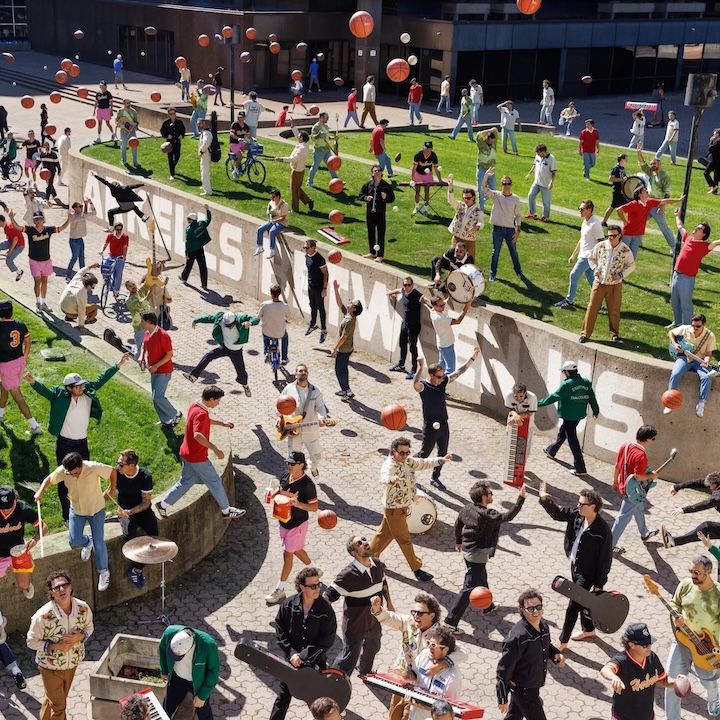
Arkells – Between Us
Few Canadian bands have built their identity around connection quite like Arkells. For nearly two decades, the Hamilton/Toronto mainstays have turned everyday anxieties into shout-along anthems, the kind that feel tailor-made for packed rooms, arenas, and summer festivals. On Between Us, they lean fully into that instinct. Polished, reflective, and designed to bring people together, even when the questions feel a little heavier than before.
Produced by John Congleton (St. Vincent, Death Cab for Cutie, Wallows), the album trades some of the scrappy bar-band energy of early records like Jackson Square for a widescreen, radio-ready sheen. That’s not necessarily a loss, it just signals where Arkells are now. They’re no longer the upstart indie band; they’re a well-oiled machine with a clear sense of purpose.
Lead single “Next Summer” captures that balance perfectly. It’s got the sunlit guitars and instant chorus you’d expect, but there’s a subtle uncertainty running underneath. Frontman Max Kerman isn’t offering easy answers so much as circling big questions about time, direction, and what actually matters. That thread carries through much of the album. Songs like “Money” and “What Good?” take a more inward look at ambition and purpose, even if their messaging occasionally veers close to self-help simplicity.
Sonically, Between Us sits comfortably in the band’s established lane, but with a slightly sleeker edge. There are grooves and textures that nod toward pop and funk, a continuation of the direction explored on their more recent records.
Collaborations with Portugal. The Man and Grouplove add some variety, but never pull the band too far from their core – big-hearted, accessible rock built for shared experience.
If you’re mapping Arkells out through comparisons, the usual touchstones still apply. There’s the arena-sized uplift of The Killers, Talking Heads’ ’80s swagger, the working-class warmth of Bruce Springsteen, and a distinctly Canadian sense of community that echoes The Tragically Hip. At times, especially in the tighter, groove-driven moments, you can even hear flashes of Maroon 5 in the band’s polished approach.
What’s interesting is that Between Us doesn’t feel like a reinvention. Where Blink Once and Blink Twice experimented with new textures, this album feels more like a consolidation of everything Arkells do well. The hooks land, the energy builds, and the emotional throughline stays clear.
All these new standout tracks tap into that familiar Arkells formula: big questions, bigger choruses. And while the album can feel a bit safe at times, it’s hard to argue with its effectiveness.
At its core, Between Us is less about pushing boundaries and more about reinforcing what Arkells have always been about: showing up, singing loud, and finding meaning in the mess together.
RIYL: Bruce Springsteen, Sam Roberts Band, The Killers, Maroon 5
Standout tracks: “Next Summer,” “What Good,” “Money” (feat. Portugal. The Man), “Universe Talking,” “Ride” (feat. Grouplove)
Apple Music
Band camp
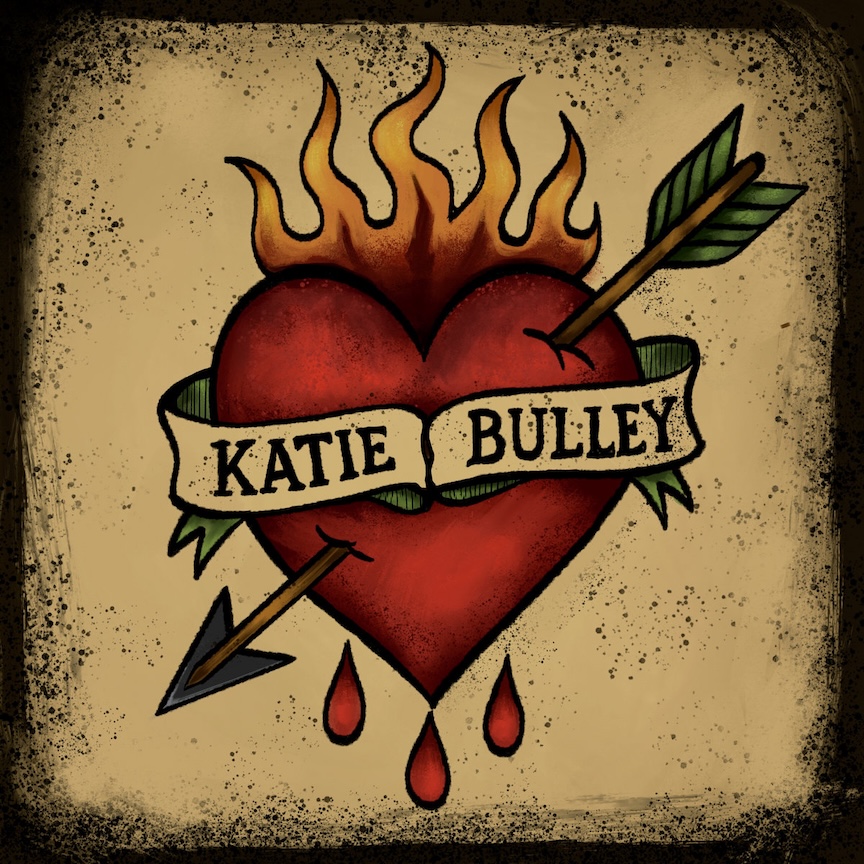
Katie Bulley
Katie Bulley’s fifth solo release arrives without a title, but not without identity. If anything, the absence of a name feels intentional, an open door into a body of work that leans heavily on instinct, memory, and the kind of lifelong relationship with music that can’t be neatly packaged. Recorded over an intense two-week stretch at Hazy Grove Recording Studio in Dundas, the DIY scrappy album captures an artist operating on pure momentum and spirit. From the first track, Bulley makes her mission clear: this is a record rooted in feel. The blend of ’90s pop punk energy with 1950s surf rock and rockabilly textures could easily feel gimmicky in less committed hands, but Bulley treats these influences less like genres and more like emotional reference points. The result is a sound that feels lived in and nostalgic without being overly sentimental or clichéd.
There’s a rawness to the production that works in the album’s favour. Engineered by Ryan Barwin, with Bulley handling vocals, guitars, and production, the record avoids over-polish. Instead, it leans into its edges of gritty guitars, forward-facing vocals, and arrangements that prioritize immediacy over perfection. Vince Waters’ drumming provides a steady backbone throughout, while touches like pedal steel, particularly on “Already Taken,” add unexpected warmth and depth.
Lyrically, Bulley draws from a deep well of personal history. While specific online reviews for the album remain sparse, likely a result of its independent, no-promo release strategy, the early listener feedback circulating through platforms like Bandcamp and social media consistently points to the same strengths: sincerity, relatability, and a strong melodic sense. There’s a throughline of resilience here, echoed in her own framing of the album as both a personal milestone and a gift to listeners. Always great to see another fully self-driven project, no label, no physical release, no traditional marketing push. In 2026, that kind of approach isn’t unusual, but the conviction behind it still matters. Bulley isn’t chasing trends, she’s documenting where she is, musically and personally.
Some tracks feel more like affectionate nods than fully distinct statements. But even then, the sincerity carries them through.
Ultimately, this untitled record feels like a culmination, a snapshot of an artist who has spent years honing her craft and is now creating on her own terms. It’s not trying to be definitive or groundbreaking. It’s something rarer than that: it’s honest.
RIYL: Detroit Cobras, Blondie, Iggy Pop
Standout tracks: “Inside your Head,” “Area 51,” “Already Taken,” “Bulletproof”
Apple Music
Band camp
REVISIT ME
Not many publications have ever done retroactive reviews for albums that are fantastic and overlooked. Why not? Why does every music review have to be for a new release or a reissue? Why do we have to wait until certain songs have made comebacks thanks to movies and TV shows—like Metallica’s “Master of Puppets” and Kate Bush’s “Running Up That Hill” in Stranger Things or Nirvana’s “Something in the Way” in Batman to remind us how good a song or album is? So, at HCM we have an ongoing Revisit Me album where we highlight a Hamilton release that’s so good it deserves another listen and the spotlight on it again.
Junior Boys – Big Black Coat
For a duo that’s spent most of their career perfecting understatement, Junior Boys have never sounded quite as quietly commanding as they did on Big Black Coat. The Hamilton pair, long known for their delicate balance of synth-pop melancholy and late-night introspection, returned in February 2016 with arguably their best album to date with a subtle but striking shift: more rhythm, more space, and a deeper connection to the dance floor, even if their gaze remains turned inward.
Following a five-year gap after It’s All True, Big Black Coat feels leaner and more purposeful. The glossy, softly layered textures of their earlier work are pared back in favour of colder synths, pulsing basslines, heavily treated vocals, and crisp, skeletal beats. There’s a clear lineage here to classic house and Detroit techno, but Junior Boys never fully surrender to club euphoria. Instead, they exist in that in-between space, music built for movement that still feels emotionally distant, with tension and mystery.
That tension is what makes the album so compelling. Tracks like “You Say That” and “Baby Give Up On It” glide forward with a steady pulse, but frontman Jeremy Greenspan keeps things grounded with his signature restrained delivery. His voice rarely rises above a hush, as if he’s working through complicated feelings in real time rather than performing them. It’s dance music for overthinkers and people who want to be free to dance. Dance music for people who wish they danced more; songs that move your body while your mind drifts somewhere more reflective. The album’s most memorable moments lean into that minimalism. “And It’s Forever” stretches a simple groove into something hypnotic, gradually building tension without ever fully releasing it. Their reworking of Bobby Caldwell’s “What You Won’t Do for Love” trades the original’s warmth for a sleek, nocturnal cool, less romance, more distance. And the title track unfolds patiently, layering shimmering synths into a quiet, expansive closer that feels more like a mood than a statement.
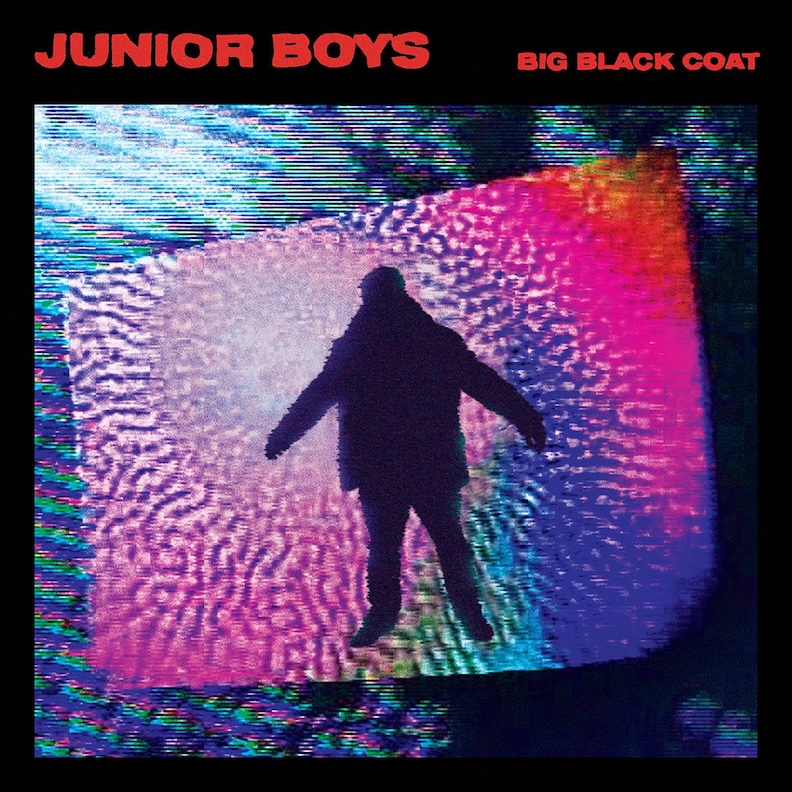
Lyrically, Junior Boys stay in familiar territory: romantic uncertainty, emotional hesitation, and the quiet barriers people build to protect themselves. The “big black coat” becomes a fitting metaphor, something to wrap yourself in, part comfort, and part defence against the outside world. If you’re looking for comparisons, the band still sits comfortably alongside acts like New Order, and Pet Shop Boys in their blend of electronic grooves and emotional restraint. There are shades of The xx in the use of space, and even a touch of James Blake in the sparse, intimate production. But Junior Boys remain distinctly their own: less dramatic, more quietly precise.
At times, the album drifts, letting grooves linger a little longer than expected. But that looseness feels intentional, even necessary. Rather than chasing perfect pop structure, the duo seems more interested in mood, texture, and slow-burning emotion.
Junior Boys didn’t abandon their introspective core, they simply gave it a new stronger pulse. The result is an album that feels like a late-night walk through a city you already know by heart.
(Interesting sidetone: If you want to have a craft beer underneath where the album was mixed, pop into The Brain on James Street North. Greenspan is the part owner of the bar).
RIYL: Jessy Lanza, New Order, The xx, James Blake, 10cc
Standout tracks: “You Say That,” “Baby Give Up On It,” “And It’s Forever,” “Love is a Fire,” “Over It”
Apple Music
Band camp