



Wesley: Never standing still
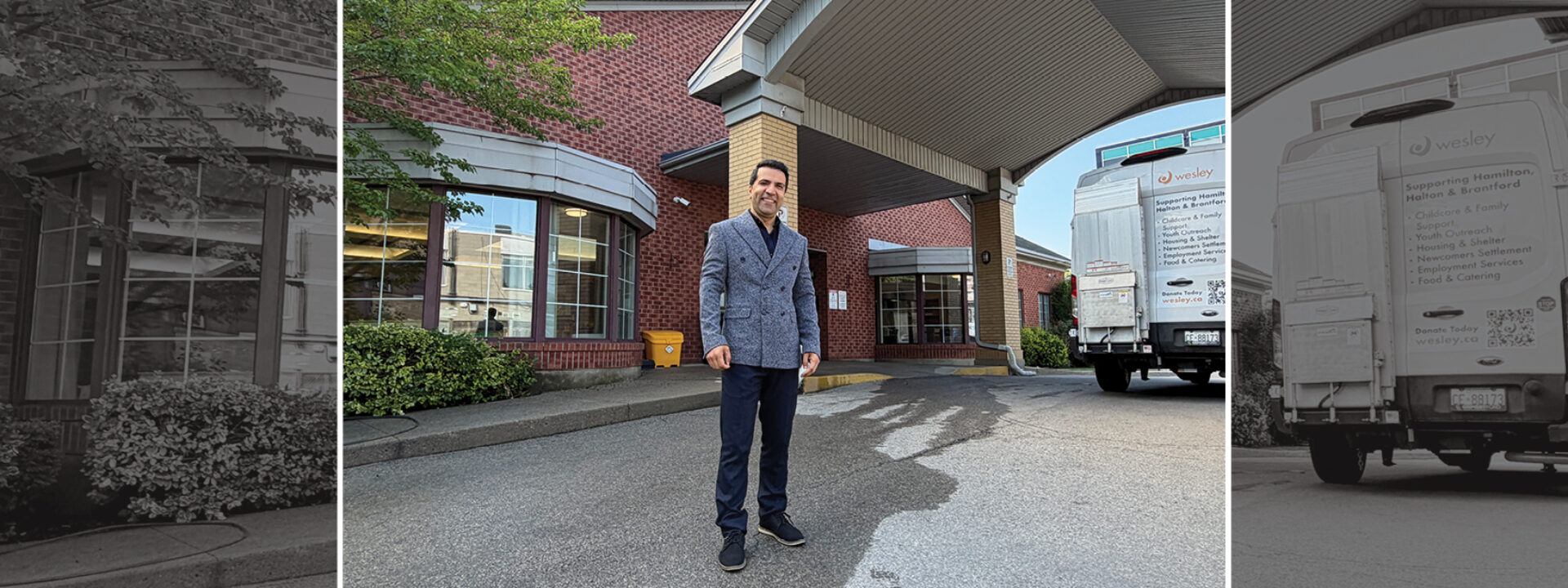
The made-in-Hamilton non-profit began its work in a church basement 71 years ago. Focused on poverty, homelessness, and the complex social challenges at the root of those issues, Wesley’s more than 300 staff lead critical social programs in 17 locations in Hamilton and beyond.
Ryan S. was beaten up at least once a week and had 67 phones stolen while living on the streets. He’s spent many sleepless nights in shelters, worried about getting robbed. All of it, including his drug use, just makes his already debilitating anxiety and depression infinitely worse.
Ryan (HAMILTON CITY Magazine has chosen not to publish Ryan’s last name) is now stabilizing his life in Wesley’s special care unit, a managed addiction program. His story is but a sliver of the work the made-in-Hamilton non-profit has taken on for the last 71 years.
It will come as no surprise to anyone that demand for services aimed at Hamilton’s poverty and homelessness emergency has skyrocketed. A lack of supports for those with mental health issues and addictions, an opioid crisis, a housing affordability squeeze, and youth unemployment have combined to leave more 2,190 people “actively homeless,” according to City of Hamilton numbers from May. There are also barriers faced by those arriving in Canada as refugees and asylum seekers.
So, there is no standing still for Wesley. Its work, which has grown out of an afternoon tea started at Wesley United Church in 1955, is grounded in poverty, homelessness, and the complex social challenges at the root of those issues.
Wesley’s more than 300 staff operate more than 30 programs in 17 locations in Hamilton, Halton and Brantford, including: licensed child care programs and EarlyON Child and Family Centres; family home visits; meal services for those facing food insecurity; youth housing; provincial youth outreach; youth recreation centres; eviction prevention; transitional and supportive housing; intensive care for those with addictions; newcomer settlement and supports; employment services; and supports for seniors.
Denise Scott, senior director, children, youth & family services, has worked at Wesley in some capacity since a Grade 12 placement. She was on the frontlines in various programs while completing college and university, and she’s been on the Wesley leadership team for 25 years.
“It’s so interesting, the Wesley when I started and how far we’ve come. The only thing that is consistent at Wesley is change.”
Wesley is now the largest refugee-serving organization in the region and the fifth largest in Canada. It is also the only agency in the region providing case management for high-need newcomers.
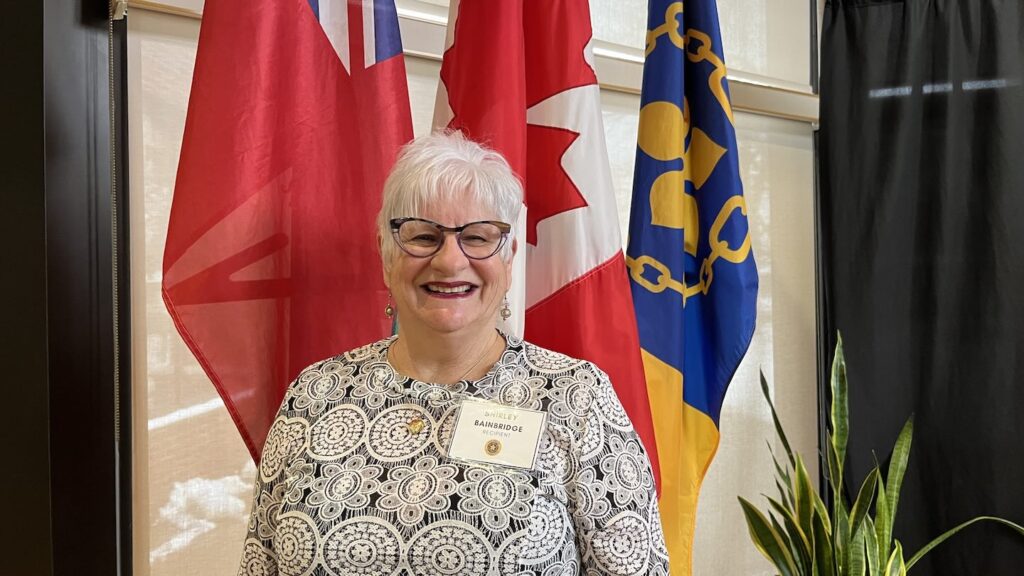
Shirley Bainbridge, who is in the midst of her sixth term on the Wesley board, says the organization leads with compassion.
“They see a need, they respond to the need, and so over the years we’ve seen programs come and go because they’ve met the need. I think the vision is so forward thinking, and forward looking, while also responding to immediate need,” she says.
“I think we’re also a very humble organization. You know, we don’t go around boasting. We just get it done.”
Scroll through the Wesley website and there is a treasure trove of inspiring success stories. There is Michael who, not long ago, lived in the encampment behind Hamilton City Hall. Wesley’s housing team helped him find stable housing.
There is Sue who started using drugs with her mother when she was 10 years old. She’s now 60 and consumes safely. Parker, a child with autism, was consistently turned away from child care services until his parents contacted Wesley. He’s now thriving and learning every day.
Sonia, a 39-year-old human rights and LGBTQ activist from Iran, arrived at Wesley’s resettlement assistance program (RAP) with her two cats when she had to leave her home in Turkey. She is getting settled into her new life.
At the root of it all is Wesley’s philosophy to not govern the behaviour of those in its programs. Wesley is about providing dignity, independence, privacy, respect, and autonomy to clients, says CEO Rashed Afif.
“Their agency is respected. It’s a journey that we walk alongside them.”
Among the biggest misconceptions about their clients, say Wesley leaders, is that people want to be unhoused. That’s just not the case in the vast majority of cases. There are many pathways to landing on the streets and not nearly enough to turn things around.
Our homelessness crisis can be handled in a couple of ways. One is constantly putting out fires and slapping on bandaids. That relies on first responders taking people in crisis to emergency departments, shelters, or jails, and clearing people out of parks and other encampments.
The other way is to truly work to stabilize lives, so that vulnerable people aren’t lurching from one emergency to another, and can have the time and resources to address mental health and addiction crises. It’s about restoring the dignity that living on the streets strips away. It’s about listening, taking on the often complex root causes that have taken people to the brink, and finding ways to help them move forward in safe and humane housing.
The first approach changes nothing. The second changes everything.
Finally, a permanent home
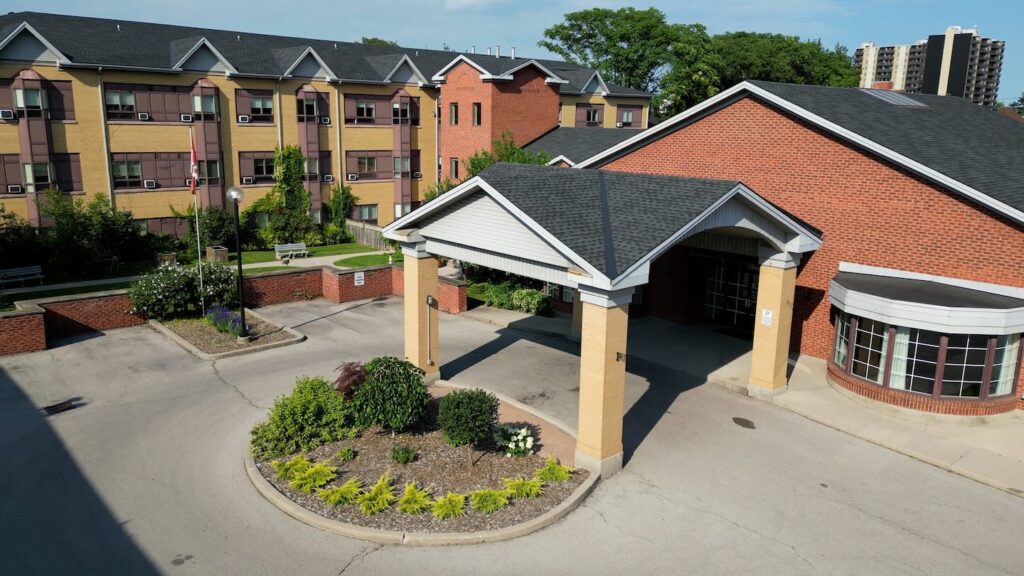
Earlier this year, after a lifetime of renting, Wesley finalized the purchase of a new central site, just east of the downtown. 467 Main St. E. is a former retirement home that is now the location of Wesley’s newcomer services, special care unit, central kitchen, and administrative services.
It’s the first time Wesley has owned its own home (it did own the Rebecca Street site of a drop-in centre in the 1980s and 1990s). For years, the organization has been at the mercy of landlords and shifting neighbourhoods, leading to three relocations over the last 15 years or so.
“So we were the victim of gentrification like our clients are,” says Afif. “So that’s where the team and the board, we decided enough is enough. Let’s look at how we can make it happen.”
As a non-profit, it’s not easy to purchase real estate but “very generous donors who trusted in Wesley’s leadership in the community” stepped up, says Afif.
The purchase gives long-term stability to the organization and will ultimately lead to more resources going directly to frontline programming. The plan is to fundraise to pay off the mortgage in the next year, says Afif.
The new building allows Wesley to divert asylum-seekers and substance users away from the general emergency shelter system. In the latter case, it also relieves a heavy burden on hospitals and first responders. The facility has also allowed for a rapid increase in meal production for clients (130,000 meals last year), many of whom might not eat otherwise.
“You can see that a building like this gives us that flexibility and privilege to create better services to the communities who need it the most,” says Afif.
More important than facilities is Wesley’s dedicated staff, he says. There are frontline employees and senior leaders who have been with the organization well over 30 years, while Wesley also works hard to recruit talent from diverse communities that reflect Hamilton.
Wesley has weathered hard times of its own, says former CEO Paul Johnson.
He led Wesley from 2000 to 2010 and when he took over, finances were in poor shape. But it didn’t take too long to right the ship and start to grow. Wesley invested in key areas, including affordable and supportive housing, such as the 120-unit Wesley Community Homes on Ferguson Avenue.
Wesley and other social service agencies were having good success with transitional and supportive housing programs through a collaborative called the Hostels to Home project, says Johnson. That demonstrates that there is a pathway back from homelessness for even the toughest of the tough cases, he says.
By the mid 2000s and beyond, Wesley embraced the City of Hamilton’s ambition to be the best place to raise a child. The agency grew its child and youth programs, opened Wesley youth housing, and became a service provider for EarlyON centres. That work is about breaking cycles of poverty.
Moving into newcomer services and expanding to Brantford and Halton, just illustrates that the agency’s story is one of constant reinvention, says Johnson, who is now city manager in Toronto.
“The thing that’s always inspired me about Wesley, and why I worked there for so long in my career, is that we were always open to shifting to things that made a lot of sense, and trying some things that maybe were a little different than others had. Whether it had been done somewhere else in the world, maybe, but we were going to bring it to little old Hamilton, right, and make it happen, and really lead the way.”
The special care unit
The special care unit, housed at Wesley’s Main Street East headquarters, offers housing and supportive programs to those with addictions and/or mental health issues. Residents are often coming from encampments or the shelter system.
The SCU aims to stabilize lives and to get its clients ready for permanent housing. That may take a few months or a couple of years, but no one is required to move on from the program until they are ready to do so. While at the SCU, the clients live as residents in their own units, with lockable doors, and provided meals.
The special care unit (then called Claremont House) opened 20 years ago as a 10-bed managed alcohol program for those coming from shelters, hospitals, street living, or encampments.
“It started as a way to support folks who were drinking so much and drinking substances that were harming their health, but also getting in the way of being housed because you’re spending all your money on it, getting away of health really flourishing,” says Robyn Currie, director of housing and outreach services.
When the pandemic hit and people with COVID who were living in shelters had to be isolated, the program took on a new direction, says Currie.
“What we saw is that we were able to mimic what we were doing with the managed alcohol, but with managed opiates.”
Residents can use methadone or suboxone to help diminish cravings. Outside doctors also prescribe safer-supply drugs, such as hydromorphone, to replace dangerous fentanyl concoctions from the street.
The focus of the SCU is on teaching people how to manage their consumption so that they can still function.
“If people want to stop using, we would support that, but we’re not an abstinence-based program,” said Currie. “The focus is on helping them manage, stopping is their choice. Our focus is making sure they have a safe place.”
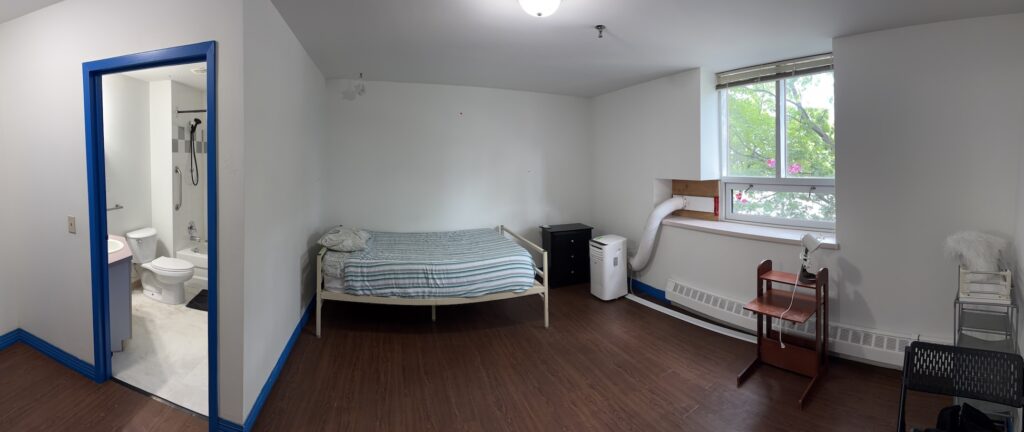
The program has grown to 30 beds. Each brightly lit unit has its own bathroom, a bed, table, and space for a TV. The rooms are outfitted with blankets knitted by church volunteers and stuffed animals on the bed. Perhaps most importantly, says Afif, residents are able to lock their door, perhaps for the first time in a long time.
Residents get visits by doctors, who often have to treat things like wounds, undiagnosed diabetes, and poor dental health. A psychotherapist helps clients work through layers of trauma that has led to addiction, and case managers help them take the steps towards housing. In many cases, that means helping people get proper ID, file tax returns, and apply for social assistance.
Some clients want to reconnect with their families and some pursue employment.
While meals are provided, residents are expected to do their laundry in the free facilities. They are taught how to clean, do dishes, and generally manage living independently.
“It’s a strength-based approach,” says Afif. “You’re giving them every tool to be successful when they move out.”
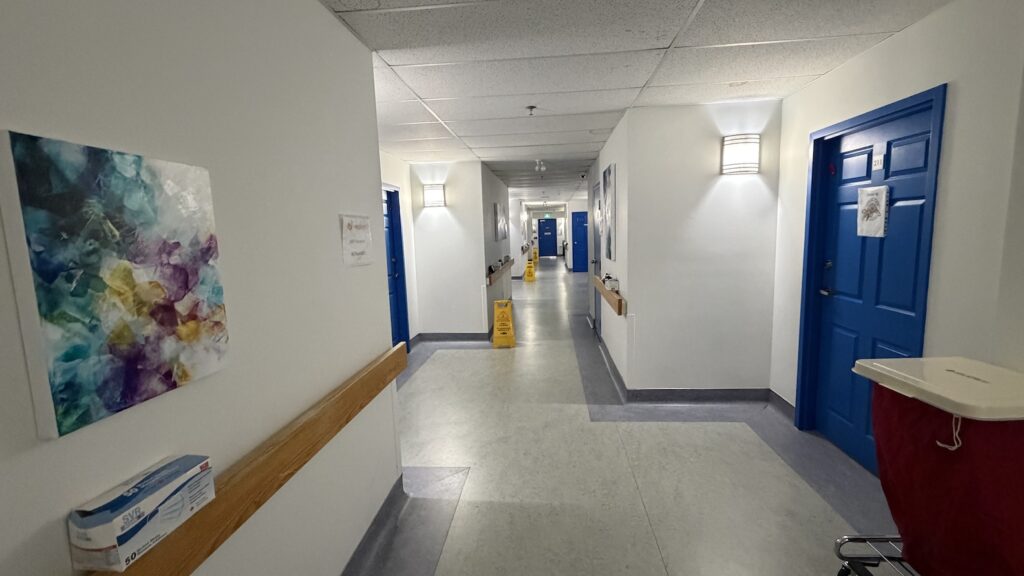
For many coming into the special care unit, there is the luxury of a first bath in a long time, healthy and complete meals, long showers, and deep sleep. That’s when the “brain can come back online,” says Currie.
Residents stay as long as it takes to be ready to move on.
Currie says the success of the program is evident: no one has returned to the program after being housed, and no one has returned to the street or to shelter, either. In the last year, the special care unit has housed 55 people and transitioned 13 of them to permanent housing.
Being in the special care unit for the last year has allowed Ryan S. to re-establish routines, talk to people who care about him, and think about his future.
Ryan, 53, says he was beaten up for his money and belongings about once a week. Mental health challenges, including anxiety, depression, and panic attacks, have made it difficult to hold down a job, so he is on disability assistance.
Ryan started drinking as a kid growing up in Bolton, Ont. Then he was a marijuana user but that made his anxiety worse. From there, he went to cocaine.
He moved to Hamilton about 20 years ago because his sister lives here and he felt it would be more affordable as a single person on assistance. His life was mostly stable while he had a good landlord. But options are limited in his budget. In one place on the Stoney Creek Mountain, he had to sleep in his winter clothes.
Eventually, Ryan found himself on the street and soon he was using fentanyl to cope.
Ryan says he feels safe at Wesley. He can sleep soundly. Staff, he says, are easy to talk to and helpful.
“They’re very welcoming and warm hearted. They help you with any issue you have, like with our taxes, or getting our ID.”
Ryan takes part in fishing trips, barbecues, and art therapy. The SCU’s psychotherapist is helping Ryan with his mental health. He’s returned to his love of building and repairing bicycles.
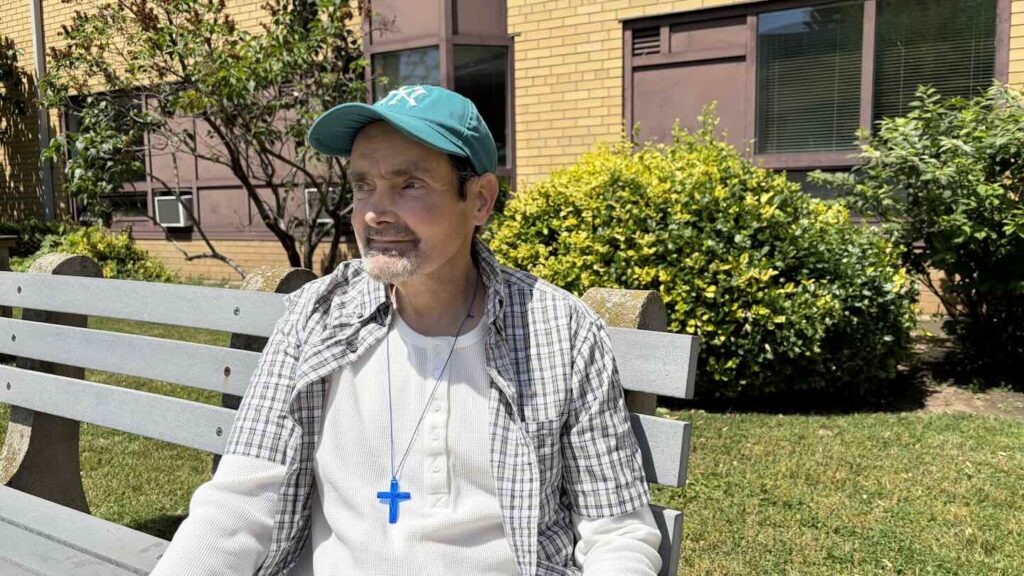
The stabilizing of his life is allowing Ryan to look forward. He wants to find a place to live on the Mountain again.
He did a six-month rehab in Toronto and stopped using alcohol or any drugs for two years. But life on the street is hard.
“So I ended up falling back, and now it’s the fentanyl, one of the worst ones you could use, but at least I don’t use needles,” he says.
“Just living outside, like you see the worst of everything, and everyone’s doing it, so it’s hard not to get involved.”
Ryan doesn’t believe he can kick fentanyl until he’s in a place of his own.
He says after a year at Wesley, he feels ready for that. First, he’s got to get proper government ID again, then a new bank card.
That will make him “feel I’m back on my way to being a person again,” he says.
The other critical step is suitable housing. Ryan says he just wants someplace safe and comfortable. But he’s been on the affordable housing waiting list for more than 12 years.
A fresh start for newcomers
Wesley is the largest refugee-serving organization in the region and the fifth largest in Canada. It is also the only agency in the region providing case management for high-need newcomers.
“We know when you are in a place of hardship, you need someone to walk alongside you, walk you through the complexity of a system we have here, and find your way,” says Afif, who came to Canada as a refugee himself.
At its peak, it was managing the resettlement of about 1,000 refugees a year. As well, more than 500 asylum-seekers have come through the Wesley centre in the last two years. They often initially present in the shelter system, but they don’t belong there. In fact, a couple of years ago, asylum-seekers and other newcomers were swamping the shelters and causing capacity issues.
Many asylum seekers languished for a year or more in the shelters. That’s when Wesley stepped up with an asylum seeker assistance program.
So if their health is good, asylum-seekers now come to Wesley, where they get help to get ID, secure a job, and find housing.
The typical stay is about two months before the asylum-seekers, whether a family or single adult, are ready to move into market housing.
Wesley established an EarlyON centre in the lobby of the building to provide a place for infants, children and their parents to play and learn.
It has been an important resource for newcomer families, says Scott. Staff are trained in guiding trauma play because, in many cases, people are fleeing war or persecution and have spent time in crowded refugee camps. Some children arrive never having played with a toy before. Sometimes their parents have never held a toy either.
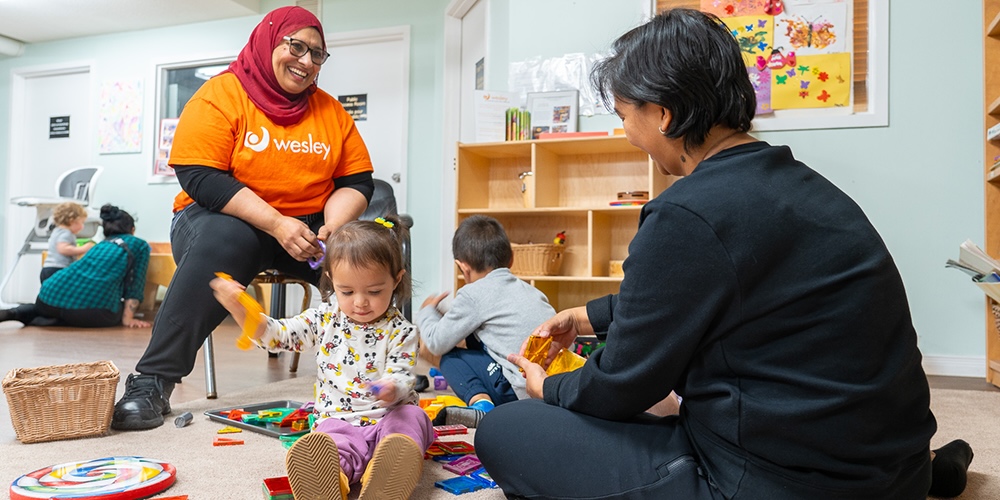
Unlike other EarlyON centres (Wesley operates five others in the city), there is a space for older siblings, where they can use learning-focused technology.
“This is sometimes the first education opportunity for a family,” says Scott. “The parents stay and interact with children while they're in this space. It's not a child care centre. So staff are very engaged in helping parents play with their kids. We also make sure they’re registered, so that when they leave our program, they can go to any EarlyON in the city. For a lot of families, English isn't their first language, so that could be a barrier.”
When families are moving out into the community, Wesley staff also help them get registered in schools and secure childcare subsidies so that parents can find jobs.
Wesley’s Asylum Seekers Assistance Program (ASAP) provides 24/7 support to asylum seekers and refugee claimants. It’s funded by the City of Hamilton to provide transitional housing to those seeking asylum and those who have made a claim for protection as a refugee.
There is a case manager for each client, and a team managing wraparound services in employment, housing, child and youth, and EarlyON programs.
Those living on the third floor are housed under the Resettlement Assistance Program (RAP) that provides services for government-assisted refugees for the first weeks of arrival as approved permanent residents.
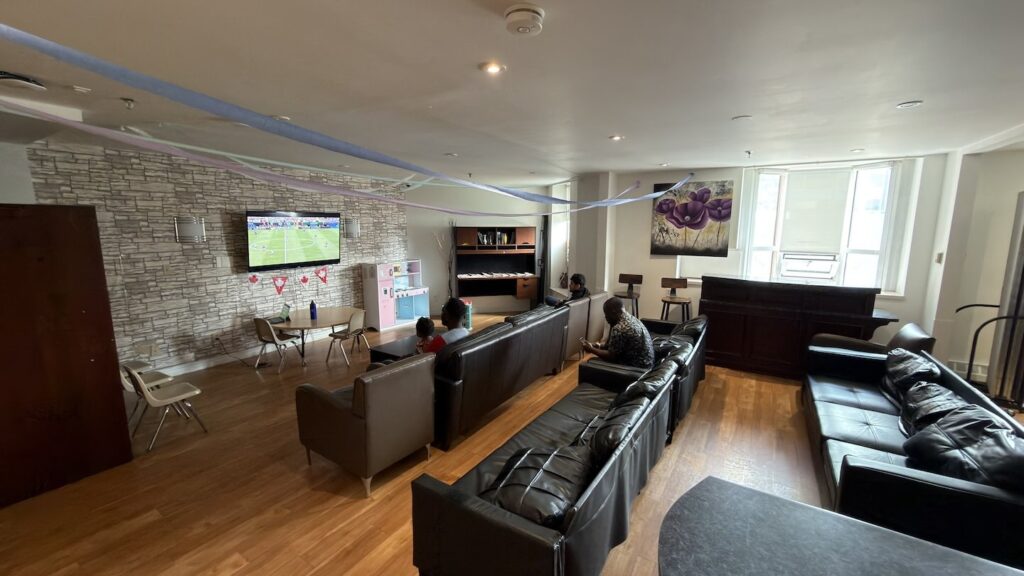
Much like the ASAP program, Wesley staff help with documentation, settlement in Canada, including housing, healthcare, finances, cultural orientation, and education, says Mohamad Husam, RAP supervisor.
There are 15 units (some with adjoining rooms for bigger families) with a total capacity of 88, and on this day there are 62 people living on the floor. They are provided with three meals and laundry service. When they are ready to move into housing a case worker continues to work with them to help with all the steps of truly settling into a new country.
“So you land at Pearson Airport and within 21 days, that’s our average, people move into their permanent homes. You have a health card, a [social insurance] number, a bank account, an employment worker,” says Husam.
“And a case worker, usually a social worker, will work with you for one year.”
After that soft landing, “a lot of them tell us that they don’t need us anymore. And that’s what we’re here for.”
Referrals to this program are made through Immigration, Refugees and Citizenship Canada (IRCC). There are 46 such programs across Canada, with Wesley operating two of them, in Hamilton and Brantford. With about 1,000 clients served last year, Wesley is the fifth-largest such program in the country.
But it’s more than just volume, says Husam.
“Sometimes the IRCC, they prefer to send the complex cases. We have people with severe diseases, cancer, mental health issues. They prefer Hamilton, because there are good health providers,” he says.
“So we receive them, and we provide them with all what they need, with mobility issues, appointments, psychiatric counselling, cancer treatment …”
The newcomer programs accommodate people speaking more than 50 languages. In some cases, clients speak English as a fourth, fifth or sixth language.
The clients have been welcomed to the neighbourhood, when they head out to the grocery store, the library, and area parks, says Afif.
“The people who graduate from this program, the majority are very successful. I remember when I was a RAP worker or a case manager. Some of those families, their kids have graduated university. They’ve opened businesses,” he says.
“The knowledge they bring here is amazing, and the team knows how to tap on their strengths … you have scientists, skilled labour, physicians, engineers, lawyers. I can think of elected officials from Parliament and other countries, ministers.”
Often, says Afif, the first question RAP clients ask is when they can get to work.
Giving youth a home
Wesley’s youth housing program had 52 referrals last year for a program that can accept 19. The folks at Wesley dream about getting the kind of funding that would allow them to roll out homelessness prevention and intervention programs at the scale they are needed.
Wesley youth housing serves a huge need among young people 16 to 21 who are homeless or are at imminent risk of homelessness, but hasn’t seen a funding increase in 17 years, says Denise Scott, senior director, children, youth & family services.
“That’s a regression, obviously. It’s very difficult to operate in that environment,”
she says.
“Every year, costs go up and our funded budgets can’t keep up, so we have to rely on internal means and fundraising in order to offset our deficit.”
That includes donations from local foundations, along with fundraising events such as the Wesley golf tournament, which started about 30 years ago and raises about $80,000 a year.
Bob Lawrie, president and CEO of Lawrie Insurance Group, has been a leader with the golf tournament for more than a decade. He is impressed with the non-profit’s core values, the passion and commitment of its employees, and strong track record of results.
“They do a lot of amazing work without taking a lot of accolades,” he said. “They’re passionate about making a difference, and so are we at the Lawrie Group.”
Recently, Wesley raised $300,000 for new flooring and paint, upgraded wifi, and new furniture in common areas and in the 19 individual units on the first two floors of a CityHousing building on Main Street West between Hess and Caroline streets.
The goal is to make the place feel like a home and “the kind of place that will launch me into the next phase of life, not, oh my goodness, I’ve just ended up in a shelter,” says Scott.
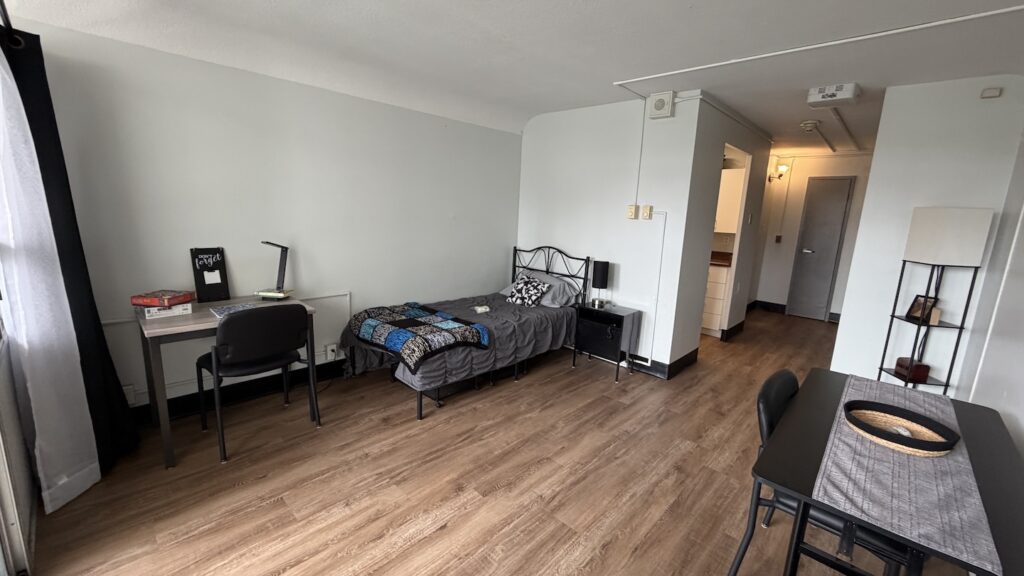
Wesley youth housing is a two-stage program. Young people in stage one have their own individual locking bedroom and balcony, and share washrooms and lounges with clusters of units. They are surrounded by supports, such as school reintegration, mental health, and substance use programs, and there is a focus on developing life skills, along with social recreation, and community-building. The goal is to get lives stabilized, build self-esteem and social skills, and stop destructive behaviours, says Scott.
When young people graduate to stage two, after a year of learning to cook, clean, grocery shop, and budget, they live in their own bachelor apartment unit with a balcony. They are living more independently, though they still have 24/7 access to staff.
Residents can stay in each stage of the program for up to one year and they must be involved in some sort of education program.
Scott has been a key leader on the 25-year-old street youth planning collaborative and now serves as co-chair. The collaborative brings together senior leaders and frontline staff from local agencies, along with street-involved youth.
Wesley’s transitional youth housing program, the only one of its kind in Hamilton, came out of the work of the collaborative, says Scott.
“So it was actually made for Hamilton by Hamilton professionals and youth. And there’s no program like Wesley youth housing anywhere, because we developed it locally.”
Agencies from across Canada and internationally have studied the Wesley model and its success. Scott says about 85 per cent of youth who complete the program, numbering close to 400 since 2007, go on to stable housing.
A space to grow up
Kevin Ngo’s life turned around at Wesley. His home life was difficult and abusive, and at 17, he felt he had to leave home. He couch-surfed while he attended high school and tried to keep his marks up.
“I think there’s a specific kind of loneliness that comes with couch surfing that isn’t really mentioned a lot. It wasn’t dramatic in a way that most people imagined homelessness to be. It just felt quieter than that. It was like living day by day with no future and not really planning much, and your goal was to just survive and make it through the day.”
Ngo was always studious but he couldn’t focus and he worried that his dreams of going to university could be slipping away. It was the middle of the pandemic, his mental health was suffering, and Ngo was admitted to a facility.
That’s when a guidance counsellor at his school highlighted the Wesley youth housing program and helped Ngo fill out the application. It changed his life.
“That was what I needed; the stability to just move forward.”
From the moment he walked into the housing centre for his intake interview, Ngo says he felt safe.
Until Wesley, Ngo says he felt like a burden. But staff listened and helped him see his worth. He made deep connections with other Wesley residents his own age who were confronting their own hardships.
He learned practical things, too, such as cooking, cleaning, and budgeting.
“For me, taking care of myself kind of felt like I was reclaiming pieces of me bit by bit” He learned what he was capable of and how his new life could unfold.
“When you’re in survival mode, and you’re just trying to live through the day, every setback that happens to you just feels permanent, and every terrible moment just feels like it defines you, and it’s hard to see what’s in front of you and what the future could look like,” he says.
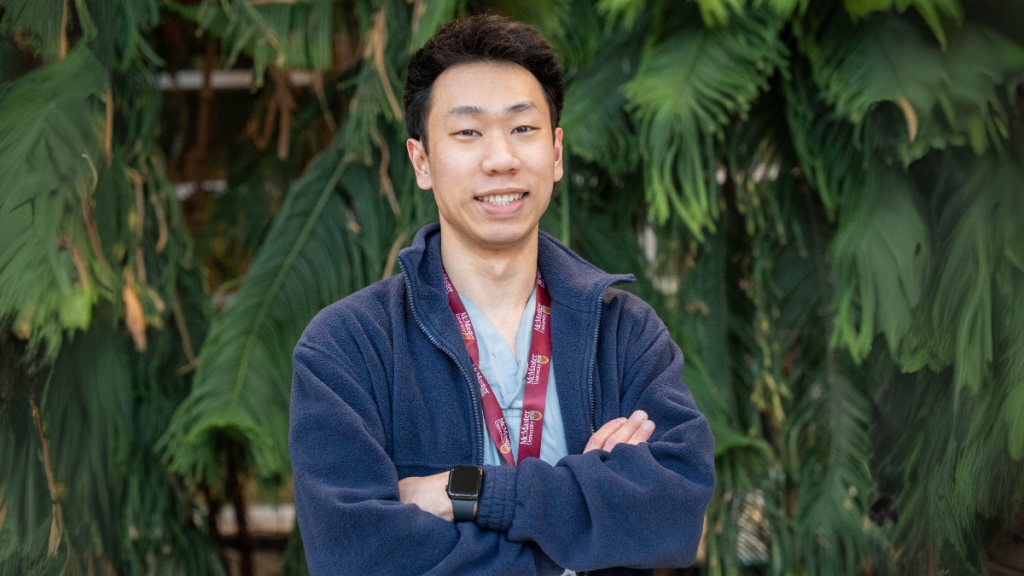
His time at Wesley allowed him to grow into an independent adult in a safe place.
“You start to realize that not every bad day means it’s a bad life, and I think that shift in perspective is what growing up feels like, and it’s just something that I learned at Wesley.”
He also found the confidence to embrace his sexuality. Not doing so until then made him deeply sad.
“I wasn’t like visibly falling apart, but it just felt like on the inside, it’s like you’re just slowly dimming away, you know?”
Ngo says he knew Wesley is a safe space for the 2SLGBTQIA+ community. The courage to come out has led to meeting someone and recently buying a house together in Guelph, where Ngo works as a sonographer at Guelph General Hospital. He is a graduate of medical radiation sciences at McMaster University.
After Wesley, Ngo also found the courage to rebuild a relationship with his mother. Now they talk every day on the phone and have become best friends.
“That closeness means a lot to me now, because of everything that it cost to get here.”
Provincial youth outreach team
Wesley also manages a provincial youth outreach team that travels the city, engaging with at-risk youth ages 12 to 21 (though that can expand to ages six to 25 in certain situations) and their families
The outreach workers are a sounding board, a guiding hand, and a connector to community services in employment, recreation, addictions, mental health, or housing.
Scott, who manages the team, says its work is about increasing protective factors – education, strong family ties, safe housing, positive recreation and friendship networks – and decreasing risk factors – drugs, gang affiliations, violence, and homelessness.
The team meets with youth in parks, community centres, schools, and malls and get referrals from concerned families, police, educators, social workers, neighbourhood organizers, and community centre staff.
The workers target priority neighbourhoods where youth criminal and drug activity is on the rise.
“Communities change and go through rough phases. So we kind of bounce around,” says youth outreach worker Rick Bakshi.
He was once on a path to trouble himself and Wesley showed him another way. A young man being raised by a single mom, he was hanging out with the wrong crowd in his Queen Street North neighbourhood, and the fancy clothes and shoes that some kids flashed were appealing to him.
“I just think where I grew up, you know, we had kingpins coming down with limos. And it wasn’t talked about but it was visible. I knew that guy’s making money to have a limo pimped out in the ’90s.”
Bakshi credits summer camps and other programs at Wesley for altering his path.
Wesley summer camp meant days at the pool and trips to the zoo and to Wild Waterworks. He looked up to the tattooed motorcycle-rider who led the summer camp. After four years, Bakshi was told he would be too old for the camp when he turned 13.
So he asked to volunteer with the program. That occupied him for the year before he was old enough for the teen drop-in program.
“I needed that one year, because, if I didn’t go in, I’d have nothing to do for the summer. Who knows what I’d be doing now? I would be a different Rick, maybe.”
Bakshi says the five years he took part in the teen drop-in program were the best of his life. It was all basketball, snacks, and movie nights on Friday.
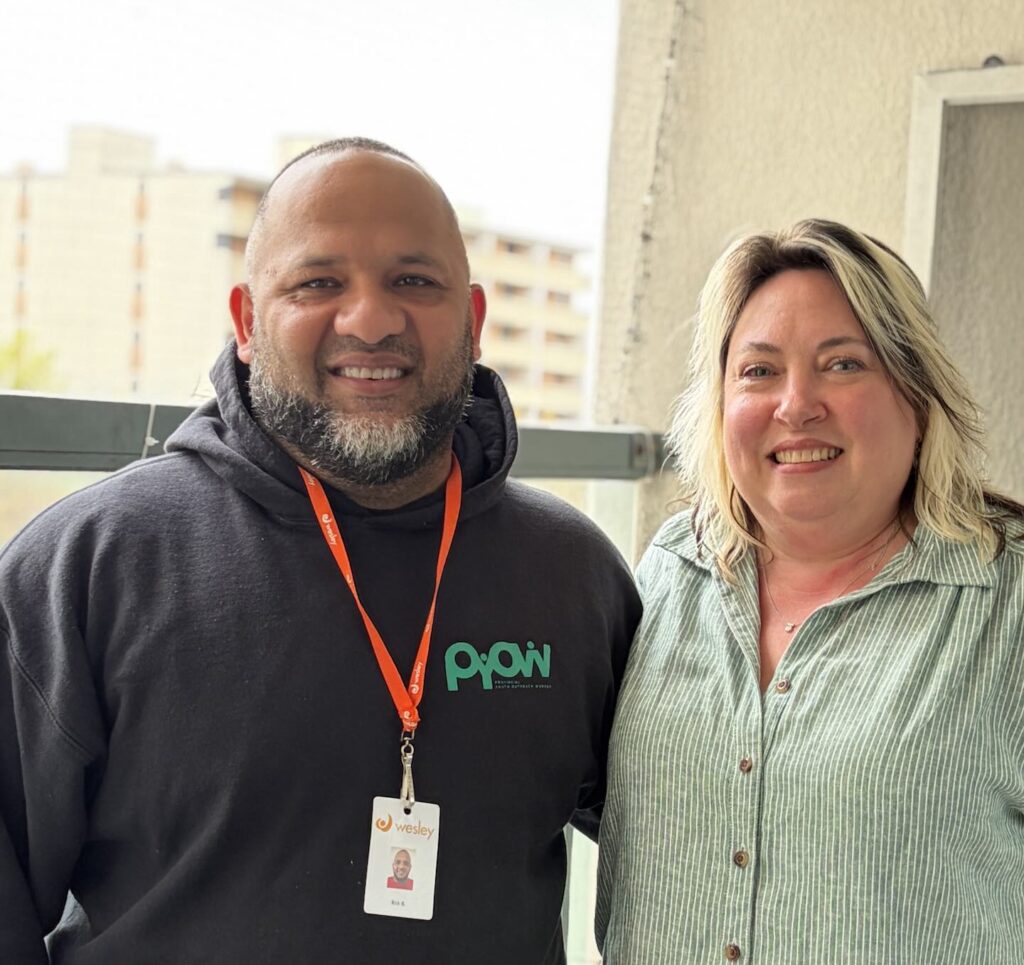
Soon enough, Bakshi was faced with aging out of the teen program.
“I was scared again. I couldn’t lose the spot. So I asked to apply for a job.”
He got hired as a relief worker at the youth centre and then was hired for the after-school program. Eventually, he shifted to the youth outreach team.
It’s where he’s meant to be. He carries around all the staff who made an impact on him over the years and uses them as inspiration for his own work.
“I try to be a good role model, and give back to the community, just like they did.”
Basketball is a big unifying force but there are other ways the workers connect with youth, including music, movies, and art. One of Bakshi’s four colleagues in Hamilton even uses yoga to diffuse tension and help youth relax. He feels his own upbringing and his understanding of the struggles of at-risk youth make him relatable to them.
He also knows what to look for and how to read kids, he says. “I know who’s making regular money, and I know who’s making hustling money.”
One member of the outreach team is an intensive case manager who can do short-term counselling while youth are waiting to get into psychotherapy programs. Another specializes in engaging with Indigenous youth.
Each worker has a decade or close to it on the team, which is crucial to building trust with families and neighbourhoods.
“I think that’s the most value in our team,” says Scott. They are known in the community, and youth know they are not going anywhere and Wesley isn’t going anywhere.”
Bakshi says it’s about finding common interests with young people, and then just showing up consistently and listening.
“You might be one of the only role models that a young person relates to, right? Other people in their life don’t really get them.”
On the day we speak, Bakshi is about to head out with a co-worker to surprise a teen for his birthday with some pizza and a chat.
“His mom reached out and said he doesn’t have many friends, and could we spend some time with him?”
After that, he’ll play some hoops and follow up with some teens on what’s happening in their lives.
“You can’t just give them information. Sometimes they need a little bit more push: ‘Hey, did you make that call? How did that phone call go? How did that appointment go?’”
There are kids he’s worked with who have gone on to be police officers, doctors, accomplished athletes, and social workers just like him.
The flip side is that there have been two shootings of youth in Hamilton this year and that always weighs heavily on team, says Bakshi. In fact, one of those shootings happened right in the CityHousing building where Wesley’s youth housing is located. Bakshi has known as many as 10 young people who have died by violence during his time with the outreach team.
That could get worse with the end of Wesley’s Community Outreach Response for Youth (COR) Program, a guns and gangs intervention project that was shut down when three years of federal funding ran out at the end of March, says Scott. It was one of nine such projects in the city. Wesley acted as the coordinating referral agency for all that work.
Scott says the COR team built relationships with highly at-risk youth – those on the precipice of being caught up in violence and gang activity. Over three years, COR served almost 1,000 youth who were acting aggressively, using drugs, or having multiple interactions with police.
The majority of programs, in many cases mandated by police, court or probation, work with youth who are already involved in crime. COR was an effective prevention program, Scott says. When COR engaged with youth, 69 per cent decreased risk factors, such as isolation, poverty, mental health, and lack of stable housing, and 95 per cent increased protective factors, including furthering education, employment, and positive recreational outlets.
Provincial youth outreach workers are working to fill the gap COR has left behind, says Scott, but capacity is limited. Just five workers cover the whole city and sometimes that means being pulled in every direction. The nature of the job means Bakshi is never really off duty, but that’s OK with him.
“It’s non-stop, but I love it. I’m Hamilton. It comes with the job. It’s cool.”
New approach to food
From its full-scale commercial kitchen at its Main Street East location, Wesley’s food services team prepared more than 130,000 meals last year for its clients in its newcomer residences, supportive housing, special care unit, youth housing, and EarlyON centres.
The food side of the organization is growing rapidly, says chef Alan Kobayashi, who manages Wesley food services.
The kitchen produces healthy, balanced breakfasts, lunches and dinners for a wide range of diets, including halal, vegetarian, diabetic, gluten-free and vegan.
There is also the challenge of cooking for a variety of palates.
“When clients come from different areas, we try to accommodate the spices so they feel more at home.”
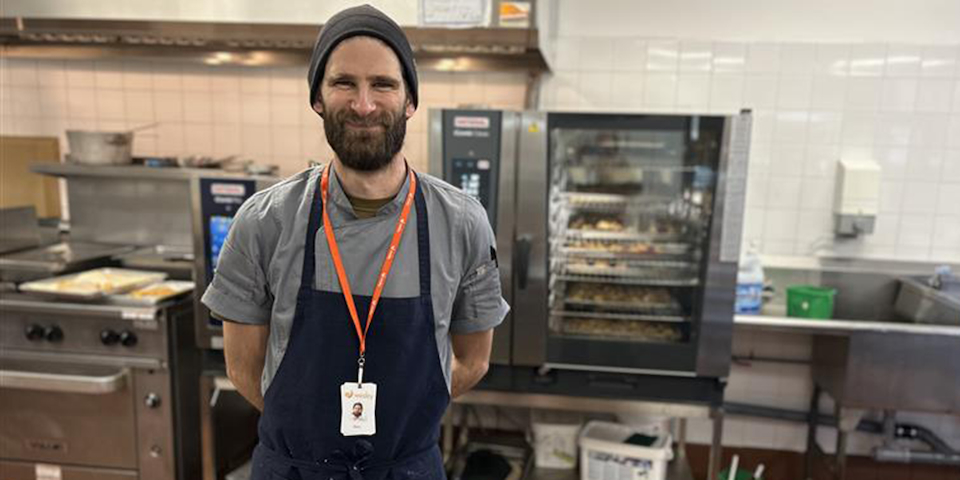
Kobayashi was hired in November 2024 to outfit the kitchen to Wesley’s needs and to overhaul its food service program. He now leads a team of about half a dozen in the kitchen.
The Wesley kitchen also operates First Start Catering, provides food for meetings, networking events, and conferences.
“We put a lot of care into the food. Our menu reflects our team and diverse culture, so many different flavours, very good quality, very reasonable.”
The catering program is a social enterprise model where proceeds are reinvested back into the kitchen and its equipment.
The kitchen has a dedicated baker and staff even produce cheese and yogurt in-house.
Some food is delivered fresh and some is frozen as portioned meals and delivered to Wesley’s locations.
“That’s the big idea here at Wesley, is that we're not having people line up soup kitchen style,” said Celeste Weston, chief development & communications officer. “We’re making custom, good, gorgeous food, and sending it to the various different programs so people can eat as a family, or with their group. They have the dignity to eat when they want to heat the food up. It's a whole different way of thinking about food.”
Rashed Afif: The CEO's lived experience
Rashed Afif is the CEO of Wesley but also an excellent example of the impact of the great work it does.
He joined Wesley as a youth worker on an 11-month contract in 2013. He had just graduated from York University, four years after his arrival in Canada as a refugee.
Afif was working as a physician in Afghanistan. During his time in medical school, he worked on initiatives with the United Nations and UNICEF to educate child labourers, and with grassroots women advocacy organizations. That work made him an enemy of the Taliban government and Afif was forced to flee.
He considered working to become a licensed physician in Canada but that journey is long and difficult. He did a degree in psychology instead.
Afif rapidly rose through the ranks at Wesley, moving from being a youth worker to a case manager, supervisor, manager, director, senior director, and then CEO in 2023.
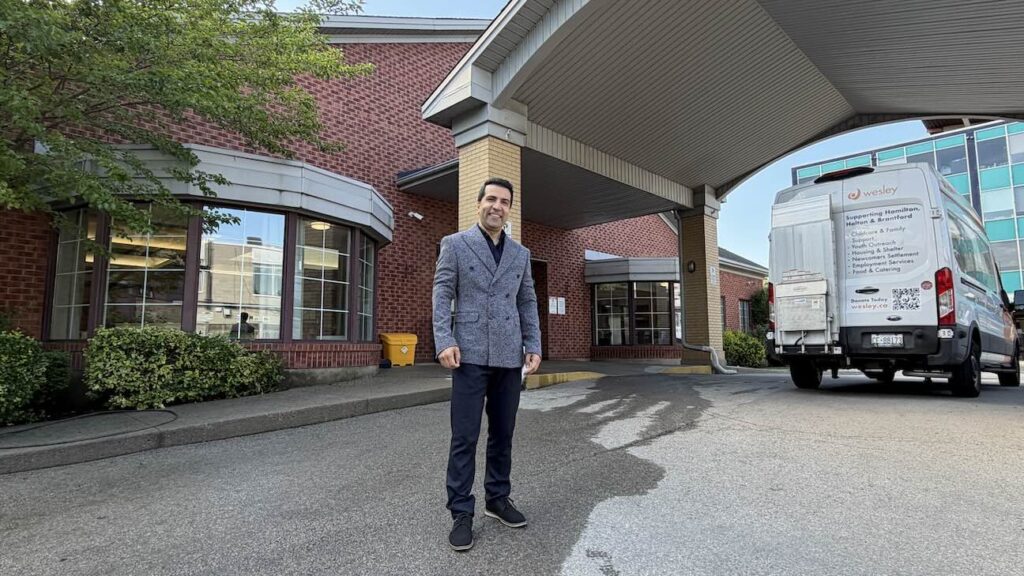
“I’ve seen this organization from the inside, everything, all the programs. I had the privilege to work with the frontline leaders, learn with the clients, and then the board trusted and awarded me the CEO role.”
Afif says Wesley is an innovative, solutions-focused organization.
“[We] find ways to support people, regardless of the boxes, the bureaucratic boxes that are out there. So I think it has been a very amazing journey for myself and also working with great leaders.”
When he arrived in Canada, he held down precarious jobs and lived in a basement apartment in order to get on his feet.
That life experience is invaluable in leading Wesley, he says.
“My personal experience helped me understand what the clients are telling us, understand what others, what other leaders are telling us, and be creative. Be innovative. For example, at Wesley we create shelter beds based on not a one-size-fits-everybody. We create based on the needs of the clients. If you’re an asylum seeker, your journey toward housing is very different than someone on the special care unit or our youth in supportive housing. So that’s what we believe.”
Afif says his family was financially privileged and his father invested in his education. Afif taught himself English by reading dictionaries and watching YouTube.
“My story is the story of hundreds of people who are coming here, or millions of people who are in camps, refugee camps. We usually don’t know how privileged we are, until we see their journey. Something that we take for granted is having a status. We don’t know how valuable having a status is for a refugee who has to live in other countries and have to hide from the police, from the authorities, are not allowed to walk outside, not allowed to go to school.”
Afif was able to sponsor his brother and sister to come to Canada. His parents live in Germany.
Wesley: A long history and a new future
Wesley is 71 years old and spread across the city and well beyond. But deeply embedded in its culture are the humble roots it sprang from.
In 1955, church-goers began a Sunday afternoon tea at Wesley United Church for elderly individuals living in poverty. The church, now gone, was located near MacNab and Merrick streets. And interesting side note is that the minister at the original Wesley United Church was Lester B. Pearson's father.
Through the 1960s, Wesley programs expanded, including a club for transient men, a recreational drop-in for youth, a mother’s group, and community meals. Wesley Urban Ministries became an incorporated organization in 1979, adding a new location at Napier Street.
Wesley United Church closed its doors in the 1980s but Wesley Urban Ministries continued to expanded its community programming into multiple downtown locations, including 129 Rebecca St, which operated a variety of programs for the homeless.
Through the 1990s, collaborations with community agencies and governments greatly increased services in health, housing, literacy and recreation. And Wesley’s major fundraisers, Case for Kids Walk, Run, Ride, and the Wesley Open Golf Tournament were launched. A Ferguson Avenue North location opened, dedicated to Hamilton’s chronically homeless.
It was in the 2000s that Wesley branched into new areas of service with the launch of the Ontario Early Years Centre for families, school-age programs for children, a child care centre, Wesley Youth Housing for homeless youth, and the Special Care Unit for individuals experiencing homelessness and alcoholism. By 2005, Wesley was operating more than a dozen programs from six locations.
By 2010, Wesley’s Transitions to Home program was launched to help men experiencing long-term shelter use and homelessness to obtain and maintain housing. In 2013, Wesley opened a new location at 52 Catharine S. N., providing support to government-sponsored refugees.
Though Wesley Urban Ministries remains its legal name, the organization registered Wesley as its forward-facing name in 2018.
In 2023, Wesley moved into a former retirement home at 467 Main St. E. between Tisdale Street North and Grant Avenue North. It was once the site of Cathedral Girls School.
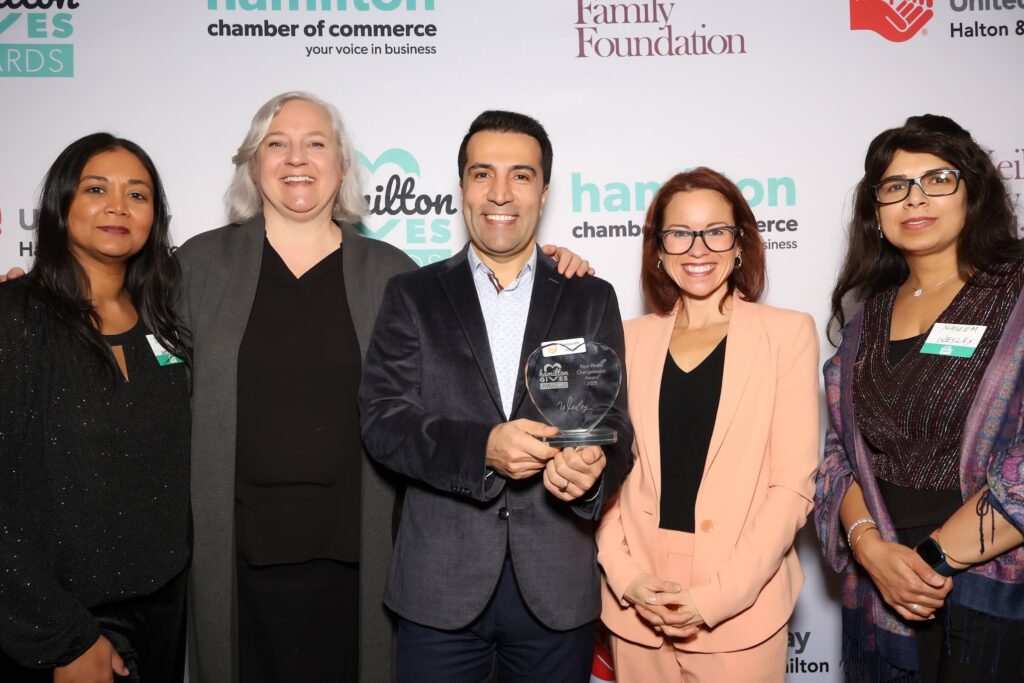
In 2025, Wesley officially became a legacy organization of the United Church. It is no longer under the governance of the church, and operates as an independent non-denominational not-for-profit. Also late last year, Wesley was the winner of the Hamilton Gives Non-Profit Changemaker award by the Hamilton Chamber of Commerce for 2025.
In April 2026, Wesley finalized the $9 million purchase of its Main Street East central location. The purchase was supported by significant contributions from local families, and the largest monetary gift in Wesley’s history, a $1.6 million donation by the Fairmount Foundation. Each floor of the three-storey building is dedicated to a specific population – asylum seekers, refugees, and the special case unit for those with addictions or mental health challenges that has led to homelessness.
According to its annual report, Wesley had revenue of just over $27 million in 2024-2025, including a federal grant of $10.2 million, provincial funding of $3.1 million, $9.9 million from the municipalities it serves, and participant fees of $2.2 million. Its expenses were about $26 million, including salaries and benefits, program expenses, service purchases, rent, maintenance, and administration.
Wesley now administers more than 30 programs for children, youth, adults, and seniors living in poverty and facing or at risk of homelessness. Years ago, Wesley was a volunteer-driven organization. But the complex needs of the populations the agency services now, means the work has to be done by trained and experienced professionals, says Celeste Weston, chief development and marketing officer.
“We are dealing with serious mental health, addictions, poverty, abuse, trauma, you name it. That is a trained job, and so it needs to have decent pay, decent training, and accountability.”
THE IMPACT: April 1, 2024 – March 31, 2025
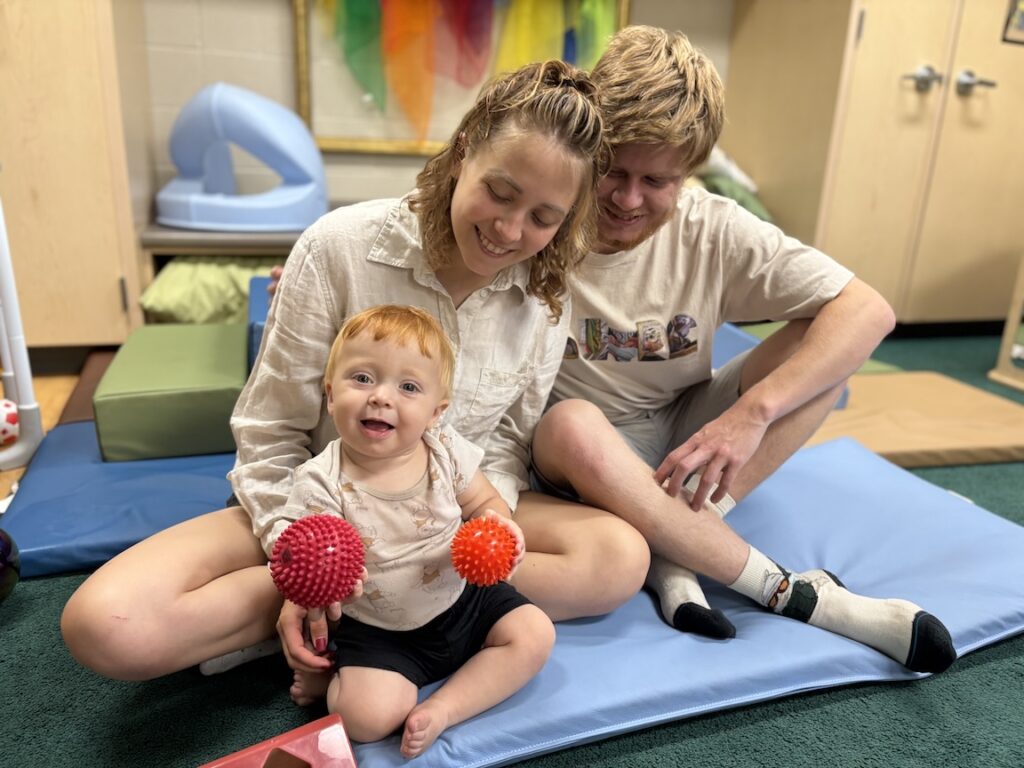
- 108,935 meals were served through Wesley’s Food Services
- 38,581 child visits occured to our EarlyON Child and Family Centres and Licensed Child Care Programs
- 519 families received 1,951 home visits through our Family Home Visitor program
- 33 youth were housed through the Wesley Youth Housing and Diversion programs
- 580 individuals were supported by Provincial Youth Outreach Workers
- Over 200 youth made more than 4,000 visits to our Youth Centres
- 232 clients were served and 108 housed, with 16 evictions prevented in Halton
- 130 clients were served and 56 housed in Hamilton
- 37 clients were stabilized at our Special Care Unit
- 61 individuals were supported by Housing First Program in Halton
- 15 individuals permanently housed
- 310 clients were supported by Emergency Supportive Housing Program in Halton
- 158 clients were housed in Halton
- 34 Evictions were prevented
- 46 clients supported by Hoarding Program in Halton
- 1,391 newcomers settled in Hamilton and Brantford
- 2,356 newcomers were served, with 11,570 referrals to community services
- 204 Ukrainians were served and 554 housed
- 161 Asylum seekers were served
- 367 job seekers were supported, with 45 securing full- or part-time employment
- 72 seniors were supported