




Silverstein never stands still
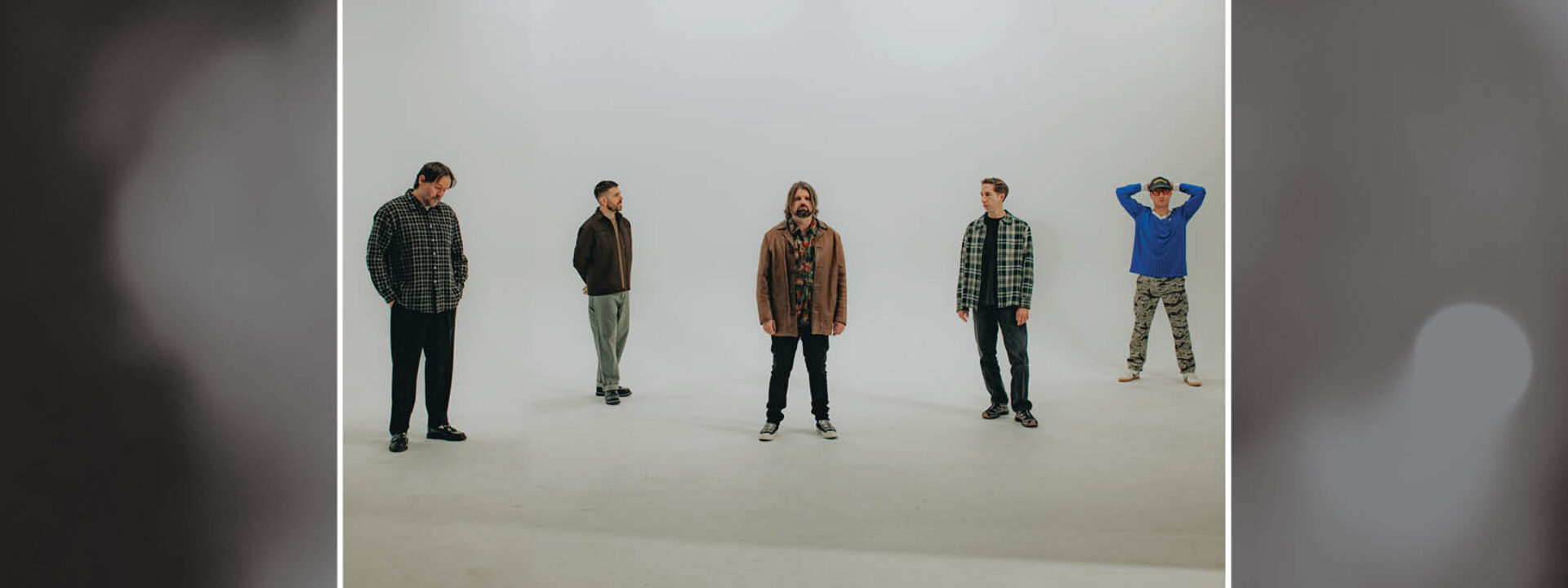
Twenty-six years,13 albums, and a million records sold later, and the Burlington-born hardcore/punk band continues to defy the odds.
Silverstein began making music during a fertile period in heavy guitar rock. The turn of the millennium saw guitar rock genres splinter into even more subgenres as bands borrowed and combined ideas from other bands. One of those sounds was the sound of Silverstein, the Burlington band that combined metal riffs and hostility with sweet, catchy hooks, resulting in a uniquely new sound. At the height of this era, there were countless bands who were at least loosely connected sonically. Then, as is the norm, these bands began to disappear or lose their creative way.
Some bands from that era still exist, and that’s impressive. Silverstein doesn't just exist, though. They’re still very good, and that’s not just impressive, it’s also a statistical anomaly.
“When we started way back in 2000, I didn't even know if it would last till the end of the summer,” says Silverstein frontman Shane Told. “We were just like, ‘Hey, let's do something that's a little different, and let's have some fun with it.’”
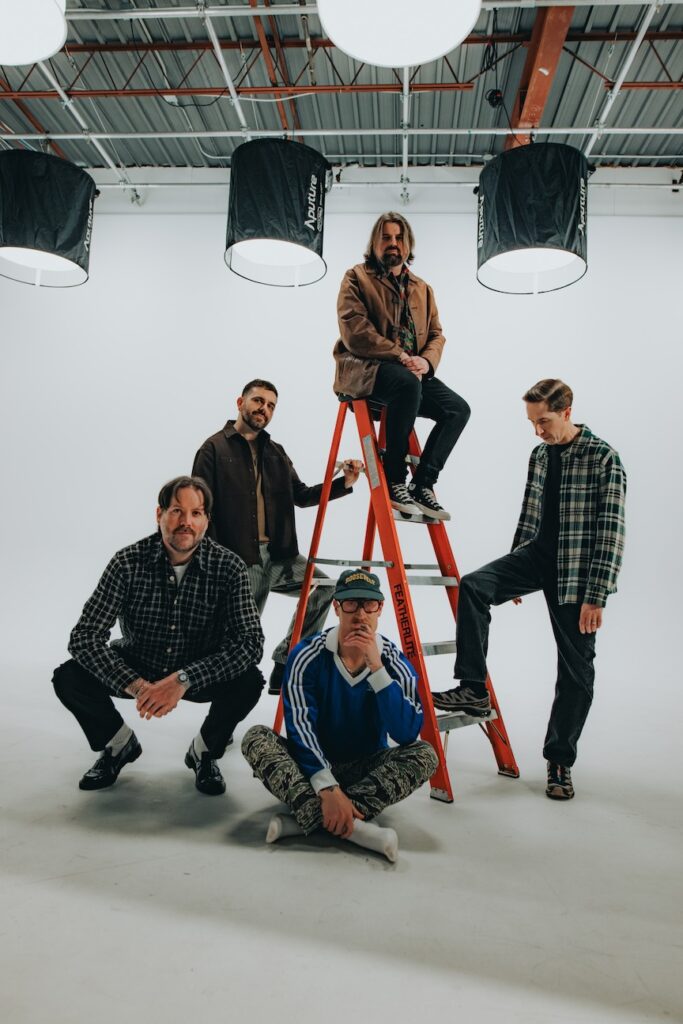
Sitting in a studio in his Las Vegas home, Told is surrounded by guitars and eager to discuss music. He is fairly unassuming for the frontman of a band that has sold over a million albums over the course of a 25-year career.
It’s a career that, in another timeline, might not have happened. Told was in several bands in the early 2000s, one of which (a band called The Livid) was offered a major label record deal. Told decided to throw his lot in with Silverstein, which wasn’t even guaranteed to stay together when its members spread out across Canada to attend university. But staying together turned out to be what they did best.
Silverstein started pursuing this sound, a mix of hardcore, metal, and pop-punk, back when the Oakville, Burlington, and Toronto scenes were alive with aggressive music.
“Grade was a huge one,” Told says of the legendary Burlington hardcore outfit. “Still our biggest influence. What I loved about Grade was that they were able to have that influence of heavy stuff, and they were a heavy band, but they had a lot of really great melody and a lot of emotion in there.”
Silverstein took inspiration from Grade and everything else around them (see sidebar) to create their own form of melodic aggression. On some fronts, it was an uphill battle, with some punk tastemakers calling them sellouts. On other fronts, they were an immediate success, signing to legendary punk label Victory Records. Now, decades later, they’re still evolving, yet they still sound like Silverstein.
“Once I sing on something, it sounds like Silverstein,” jokes Told, though the throughline is obviously more than his voice. It’s the sound, the interplay of melody and aggression, and the lyrical content. Told tries to write about universal themes, and even if a song veers to political or social themes, he wants to be sure the meaning will always be understood.
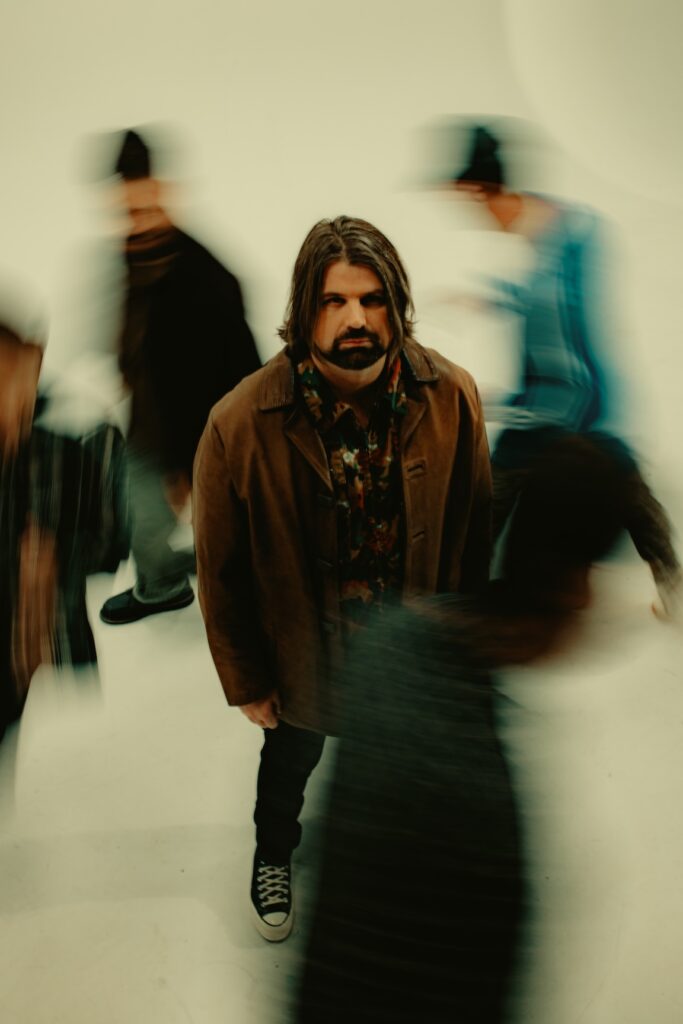
“Somebody said, early in my career, that a record is forever,” he says. “It might be a snapshot in time, because it's cumulative of your influences up to that date, but the reality is that people listen to records forever. So what will be timeless?”
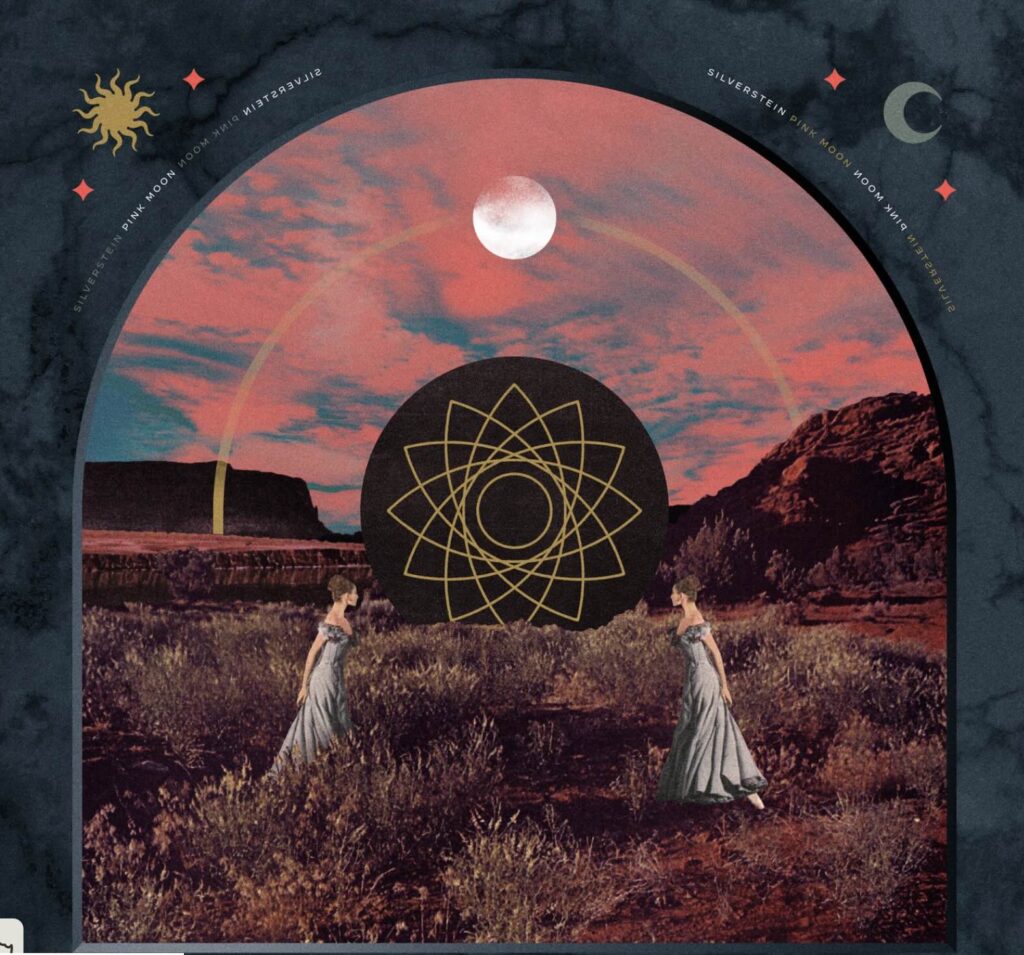
It’s one thing to listen to Silverstein’s breakthrough album, 2005’s Discovering the Waterfront, and find that it stands the test of time. It’s another to note that 20 years later, they’re still releasing music that resonates. Antibloom and Pink Moon, their two 2025 releases, retain everything fans hope for – the melody, the aggression, the songwriting – while still showing the maturity that comes after such a storied career.
Discovering the Waterfront earned the band the first of its three JUNO nods, for New Group of the Year. Antibloom resulted in this year’s nomination for Metal/Hard Music Album of the Year.
The story goes that Silverstein found energy and creativity by hunkering down in the desert near Joshua Tree, resulting in a renewed clarity and focus. That actually wasn’t the original plan. They’d hoped to make their new album in Canada, and hadn’t recorded in the U.S. since 2007’s Arrivals and Departures. Though it’s their most successful record, the recording process itself was horrible.
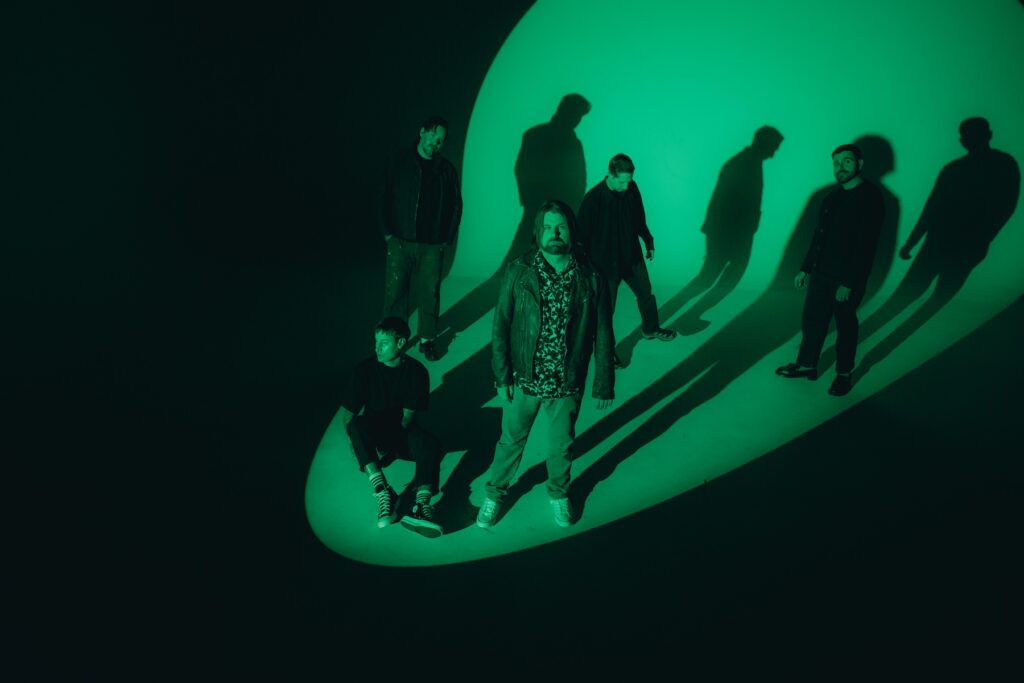
Told, however, had moved to Vegas for relationship and family reasons, and the green card process wouldn’t allow him to leave the country. So off to the desert they went, with producer Sam Guaiana and a collection of strong new songs, some of which were created in ways that were new to the band.
“There used to be a lot more ‘let's get together in Paul's basement and crank up the amps and jam,’” says Told. “Once we started moving away, it became a lot more sending ideas to one another, doing things electronically. That’s worked out really well, but with me being out here, and so close to LA, I thought I’d give [songwriting] a shot with some people that I've met over the years.”
Collaborating with people helped Told focus on the task at hand. “Sometimes it can be tough when you're here isolated,” he explains. “I have a studio and guitars, it's great, except when I'm working on a song, and then I make a sandwich, watch a hockey game – hockey comes on early here – and I'm done for the day. My attention span’s never been great, but it's especially bad out here.”
No matter the creative process, Silverstein continues to write and record music that never sullies their legacy. It has evolved over the years, but retained the core of what makes the music work. Simply existing for so long is a minor miracle in the music world, and Told is thankful for it, even if he’s not sure what the secret might be.
“Here we are, 26 years later,” he says. “Same lineup, minus one guy. I don't know what to attribute the longevity to. We just haven't stopped. It's like 26 years that feels like one big, long day. We write a record, we record a record, and we tour. Rinse, repeat. Like, 12 times.”
NEED TO KNOW
Band: Silverstein
Albums: When Broken Is Easily Fixed (2003), Discovering the Waterfront (2005), Arrivals & Departures (2007), A Shipwreck in the Sand (2009), Rescue (2011), Short Songs (2012), This Is How the Wind Shifts (2013), I Am Alive in Everything I Touch (2015), Dead Reflection (2017), A Beautiful Place to Drown (2020), Misery Made Me (2022), Antibloom (2025), Pink Moon (2025)
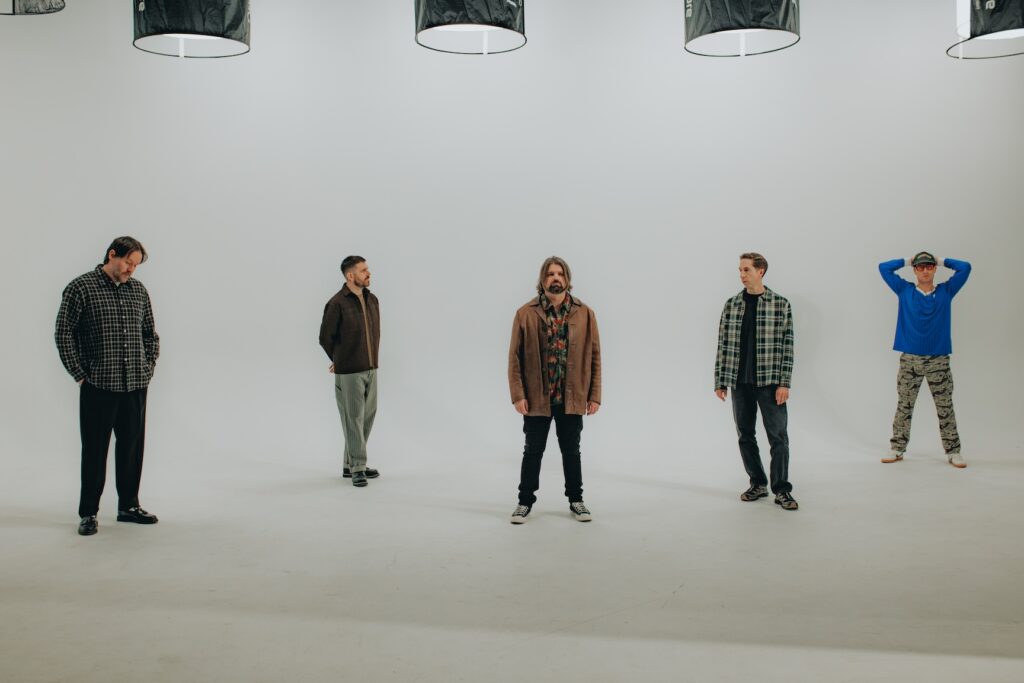
Current members: Shane Told (vocals), Josh Bradford (guitar), Paul Koehler (drums), Billy Hamilton (bass), Paul Rousseau (guitar)
That name: According to Matt Bobkin & Adam Feibel’s book In Too Deep, the band really are named after famed children’s author Shel Silverstein. Told started reading from Where The Sidewalk Ends during a rehearsal. A few weeks later, in need of a name before an upcoming gig, Told spotted the book on the floor. Silverstein they became.
The influences: “I could talk for hours about this stuff,” Told says. “The ’90s California skate punk stuff, like Epitaph and Fat Records, NoFX and Bad Religion, Pennywise and Blink-182.
“Growing up with Green Day and The Offspring and that whole thing,” he recalls, “that was the music that made me say I want to play guitar in a band.” He also cites the Get-Up Kids, Lifetime, and O.G. emo like Rites of Spring and Embrace, and perhaps the biggest, Burlington’s own hardcore-heroes Grade.